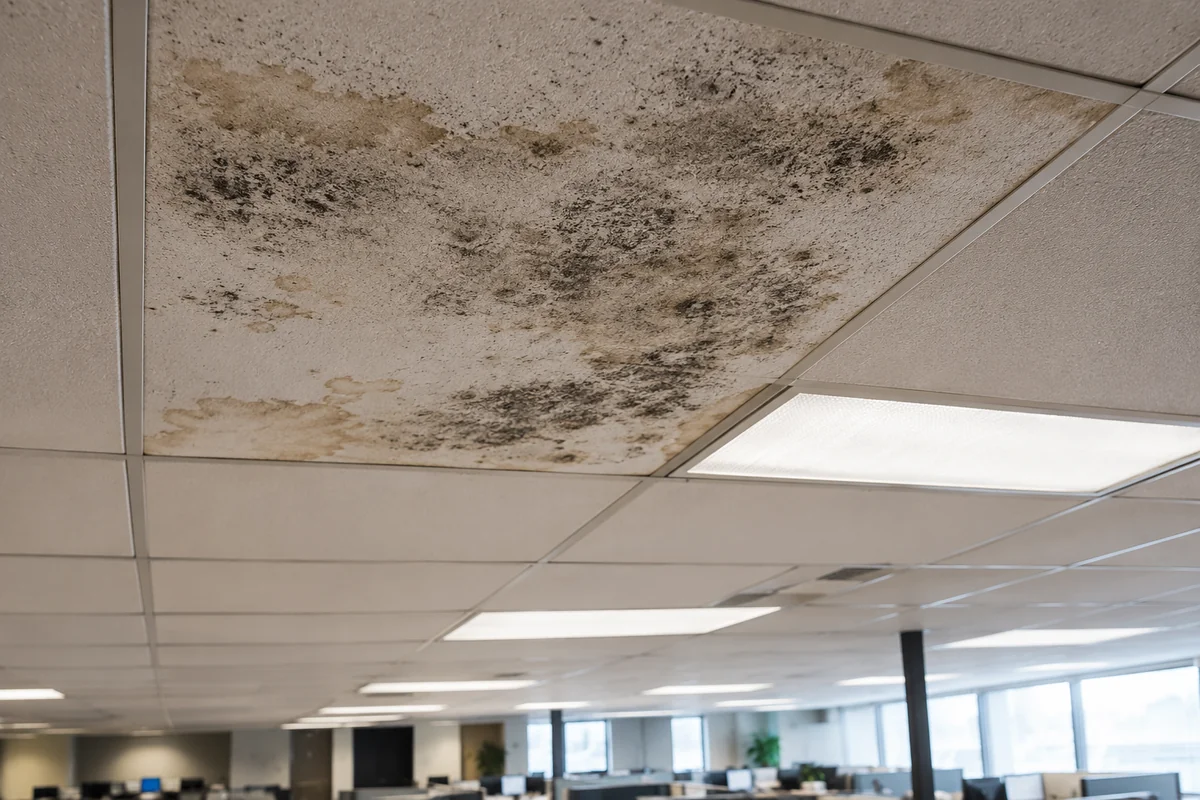
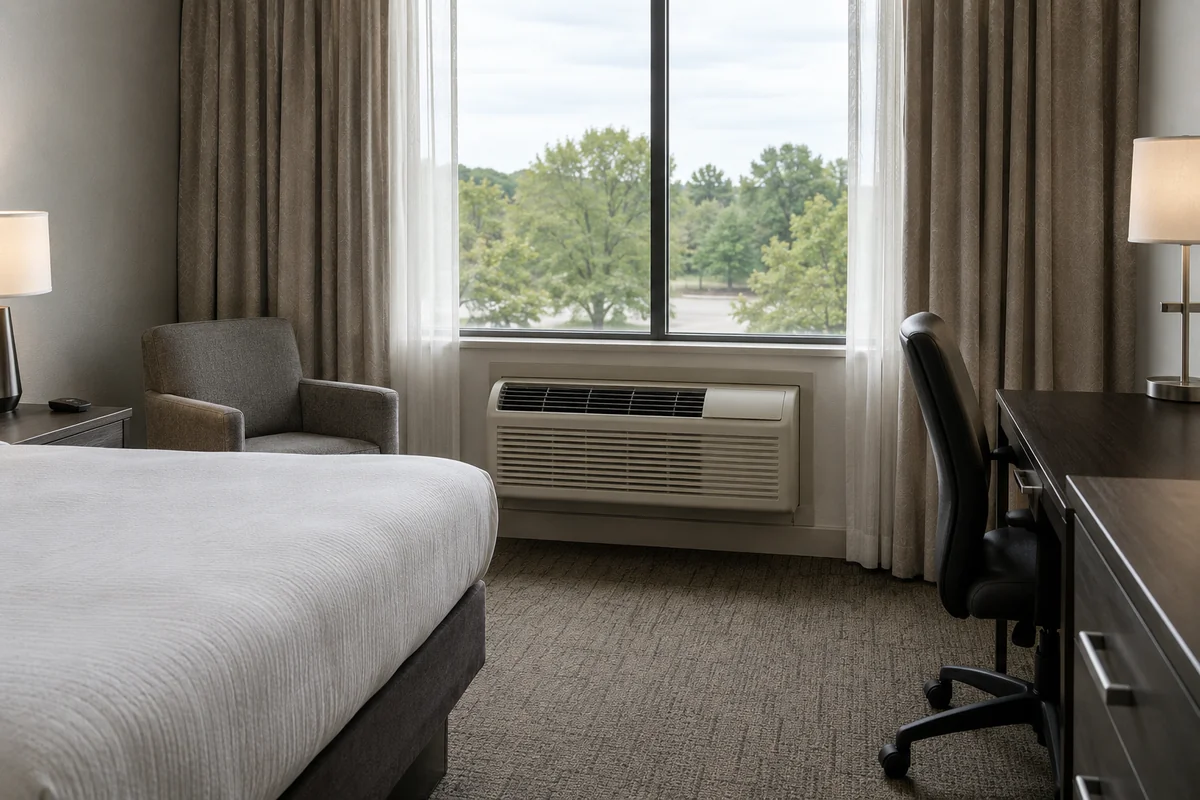
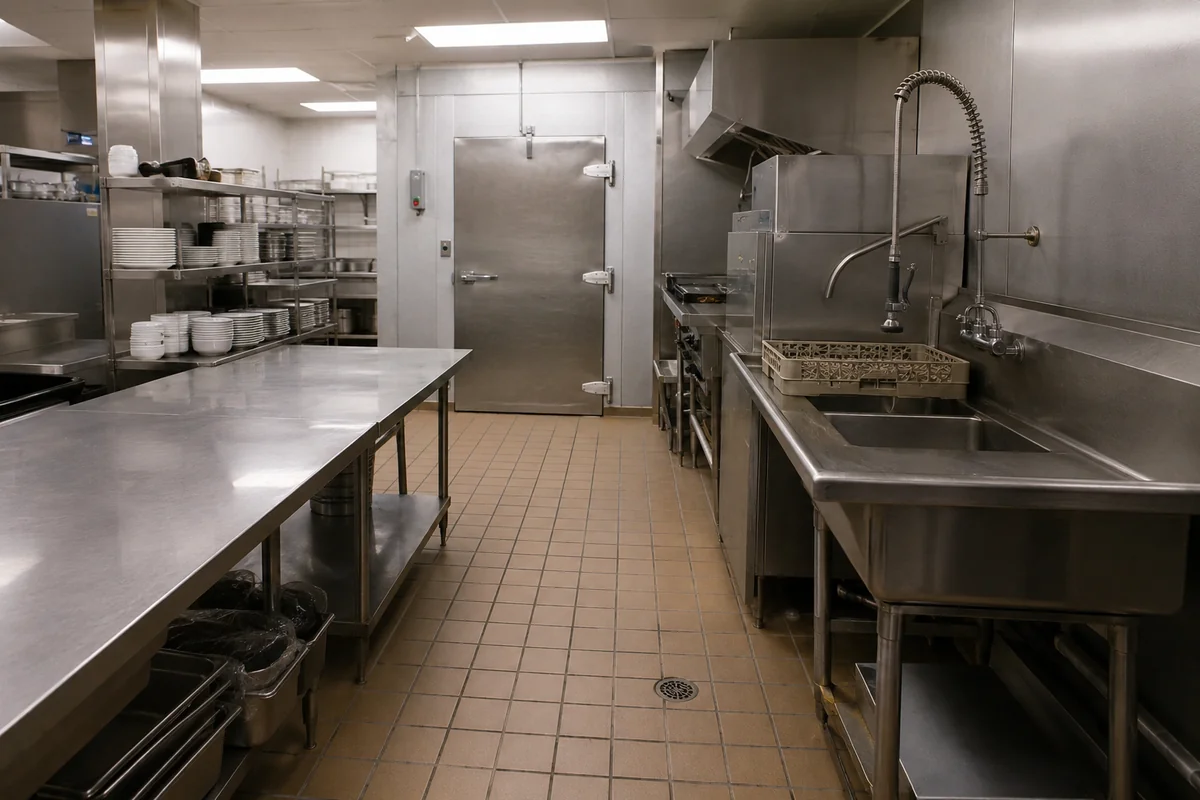
A tenant complaint starts a clock on liability and habitability. Here is the defensible, documented sequence to follow.
When a tenant or employee reports mold in a building you manage, the order in which you respond matters as much as the response itself. This is the neutral playbook the sales pages never write.
The response that protects you
A documented, timely response is your strongest defense against a habitability or liability claim. The wizard walks you through each step and builds the paper trail as you go.
Open the response wizard- Acknowledge and document the complaint the day it arrives
- Inspect, and know when to bring a certified industrial hygienist
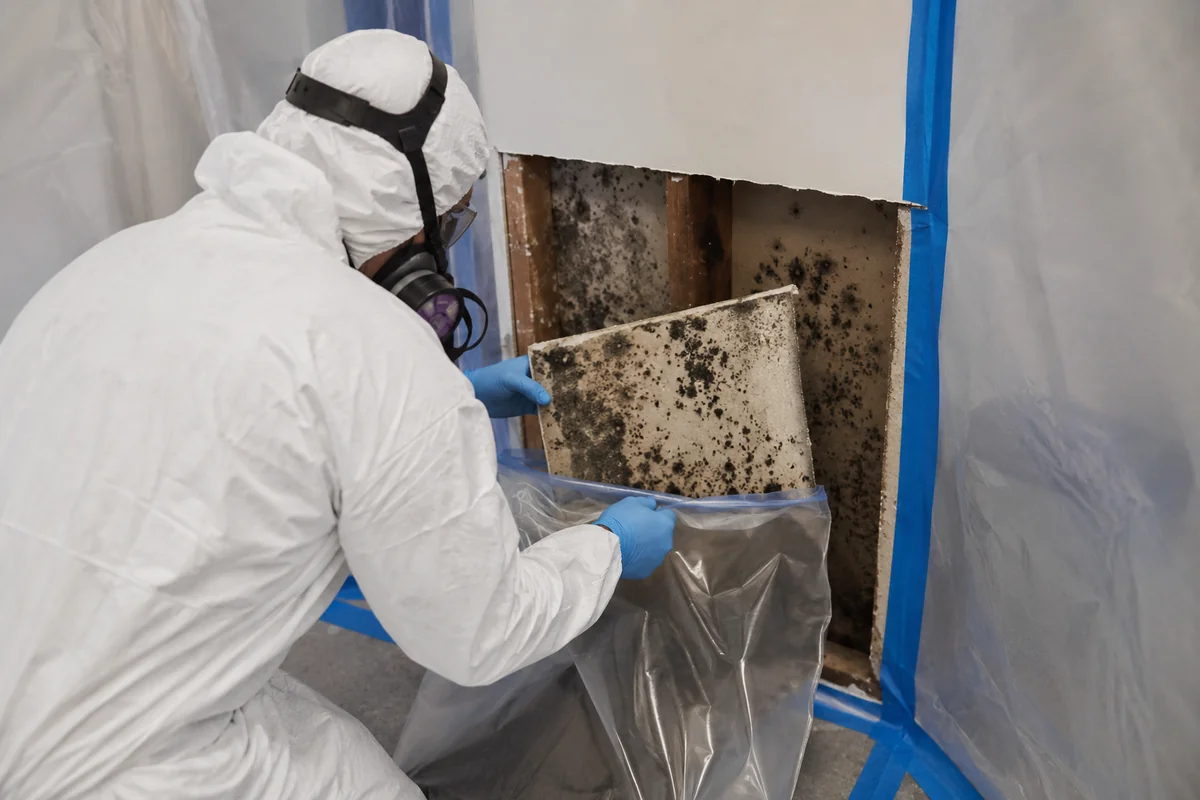
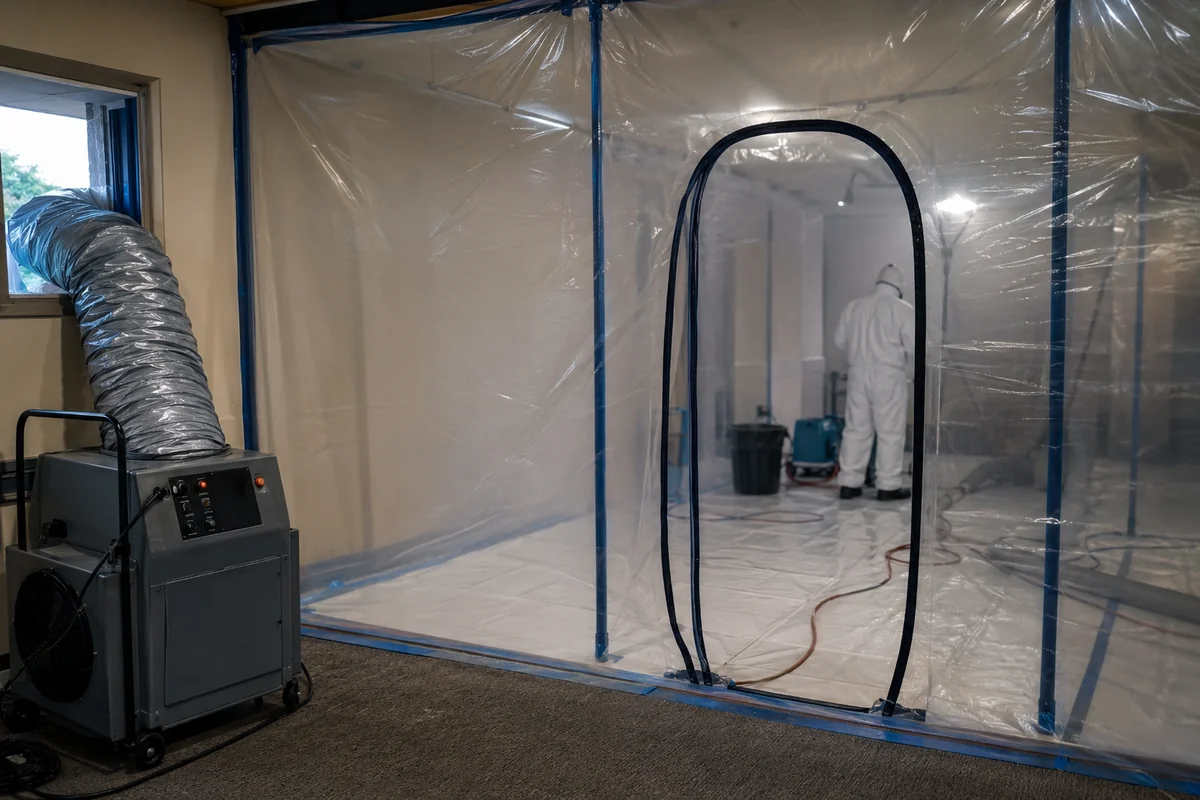
- Contain and remediate through a licensed contractor
- Verify with independent clearance testing before reoccupancy
Commercial resources
Tenant complaint response
The step by step playbook, with a defensible record.
Open the wizard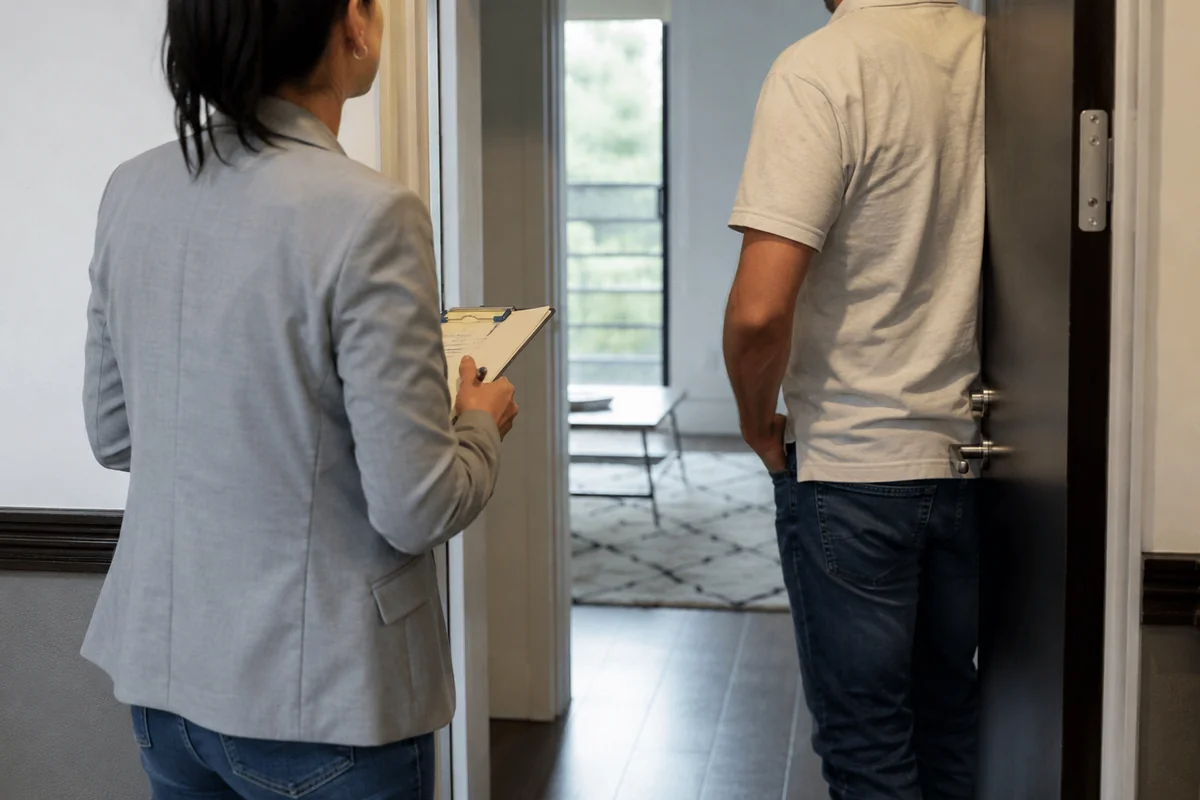
Commercial cost estimator
Ranges by square footage and building type.
Estimate cost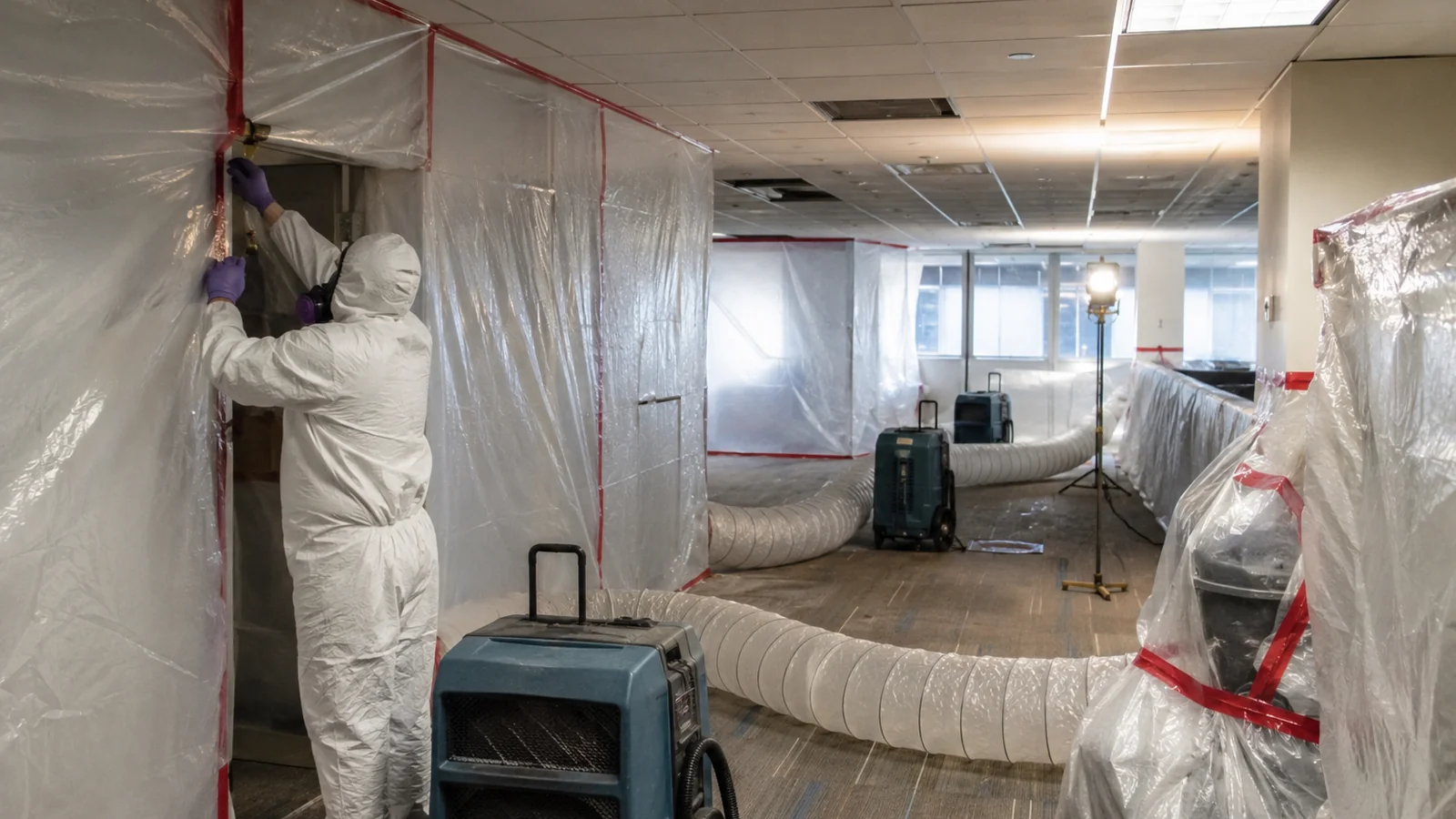
Mold in office buildings
Liability, tenant relations, and what to do.
Read the guide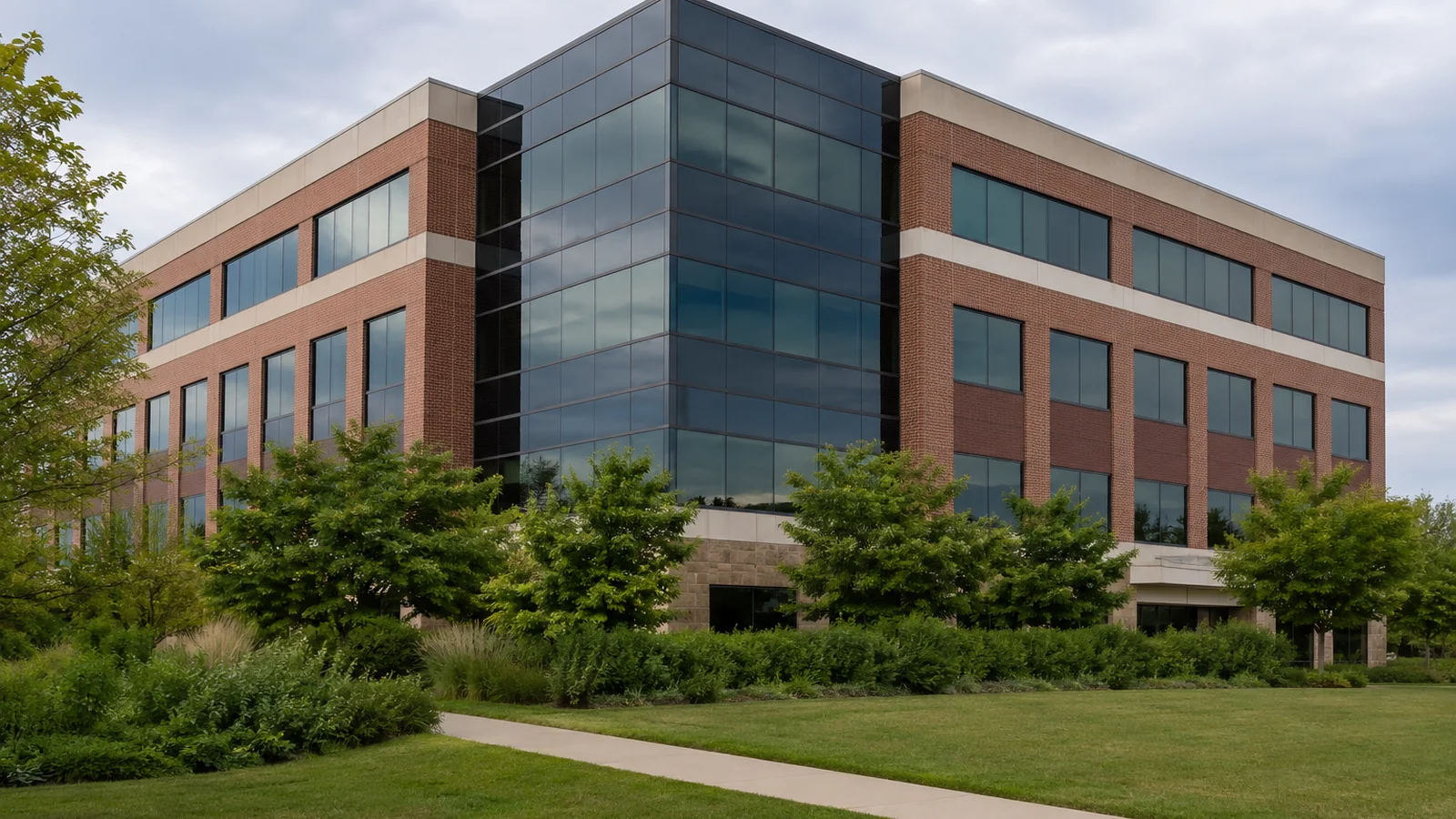
Schools and public buildings
Higher scrutiny and the clearance standards that apply.
Read the guide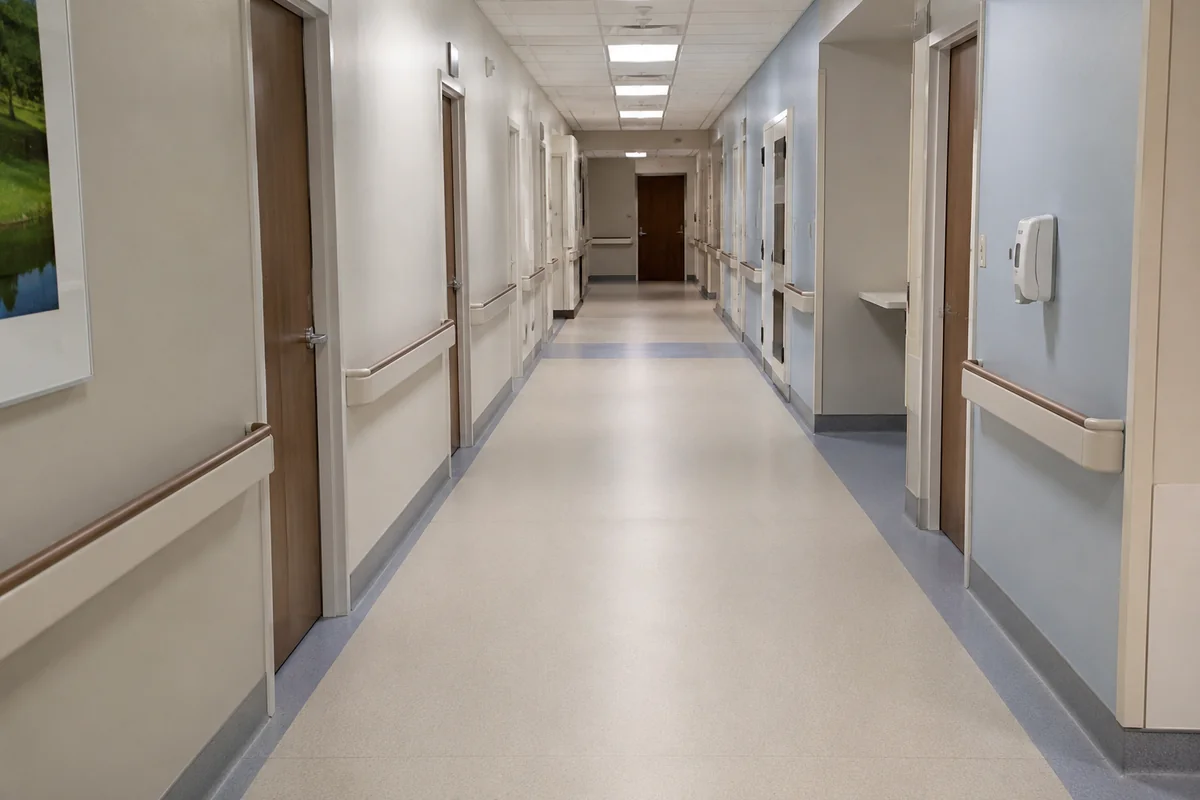
Questions property and facilities managers ask
Who is responsible for mold, the landlord or the tenant?+
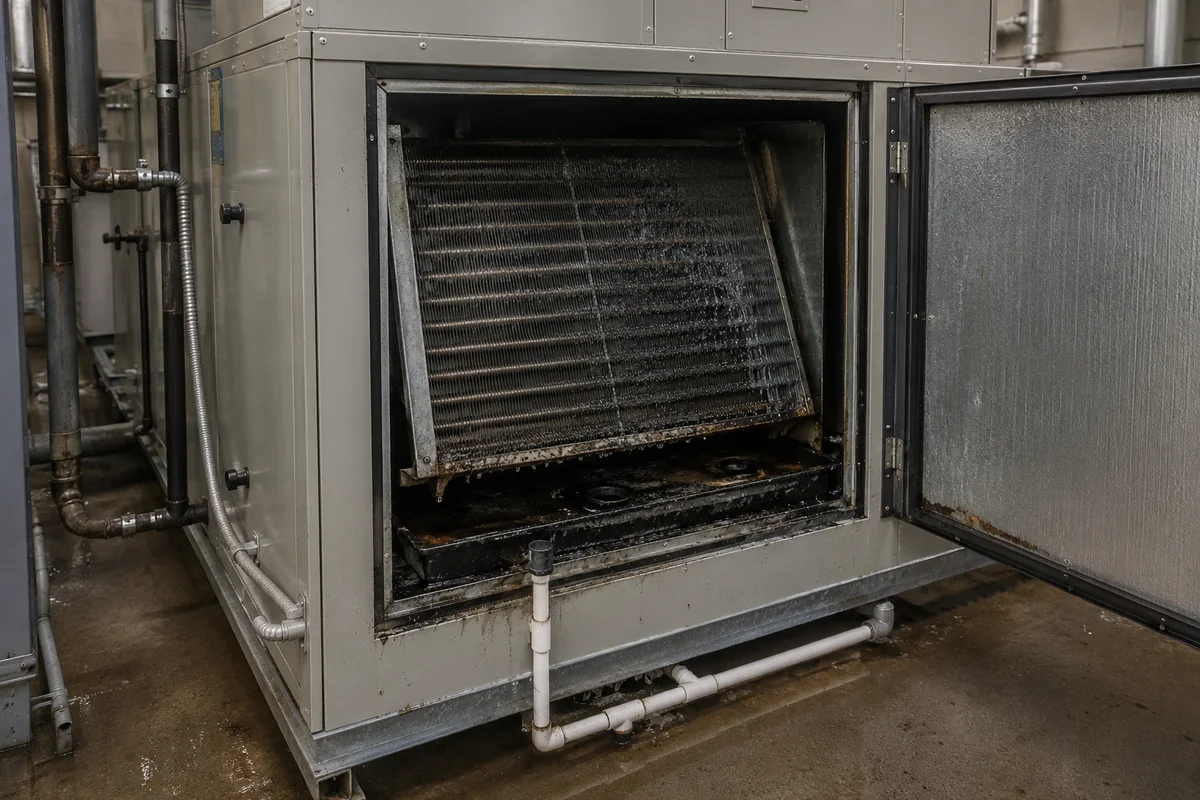
It depends on the lease and the cause. If the moisture stems from a building system or a maintenance failure, responsibility usually sits with the owner. Document the cause early.
When do I need an independent hygienist?+
For larger jobs, sensitive occupants, or any situation likely to be disputed, an independent assessment and post remediation clearance protect everyone and stand up later.
Can we stay operational during remediation?+
Often yes, with proper containment and off hours scheduling. A commercial remediator can scope the work to keep unaffected areas running.
A tenant just reported mold?
Follow the documented steps that protect you, from the first complaint through clearance testing.