Residential
Mold in the Kitchen: Causes, Cleaning, and When to Call a Pro
Where kitchen mold hides, how to clean the spots you can reach, and how to tell when a hidden leak is feeding the problem.
Mold in the kitchen is common because the room combines water, warmth, and food, which is everything mold needs to settle in. It often shows up in places you rarely look: the dark cabinet under the sink, the wall behind the refrigerator, or the trim around a window that fogs up while you cook. This guide covers where kitchen mold hides, how to clean the spots you can safely reach, and how to tell when a hidden leak is doing the real damage.
Under the sink: the most common hot spot
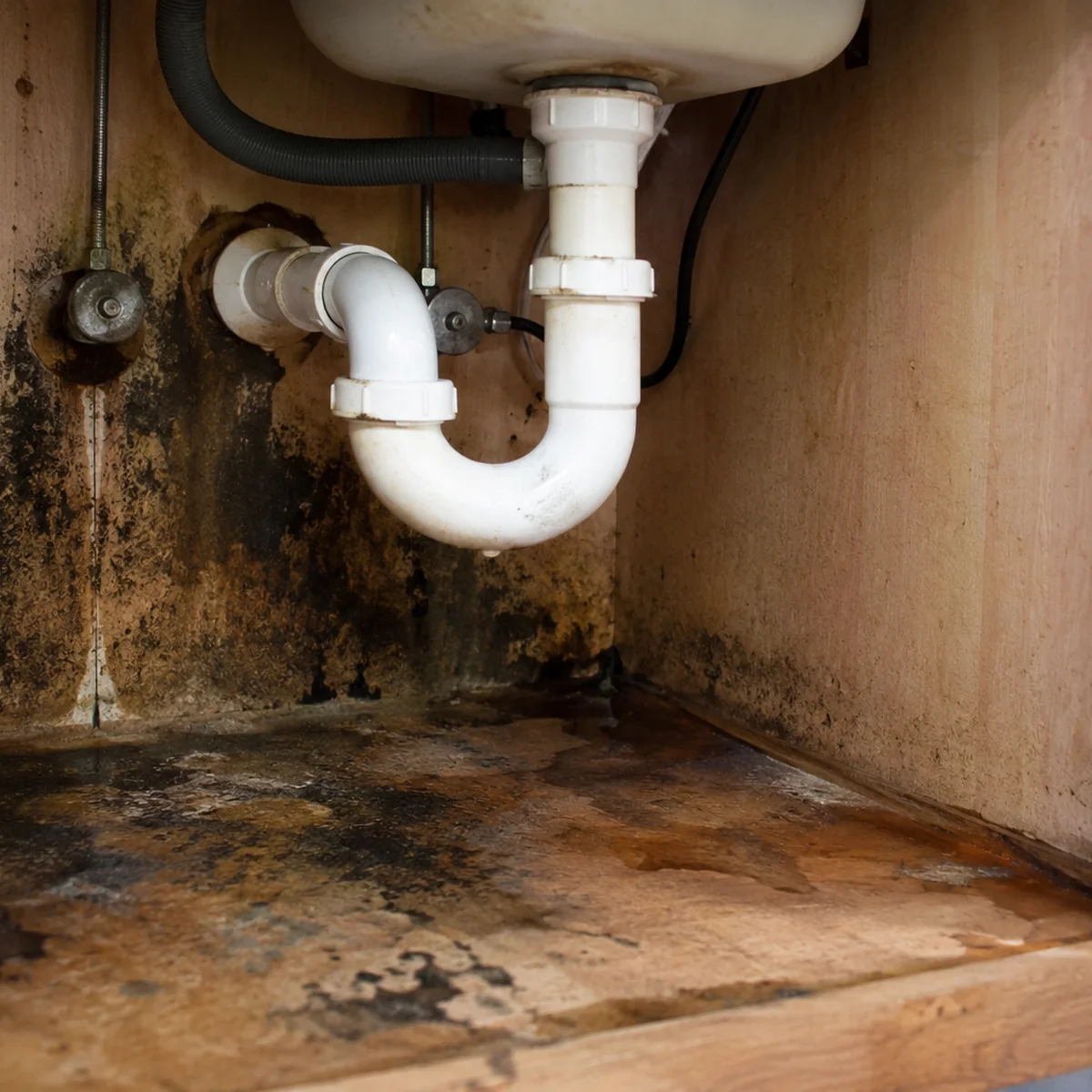
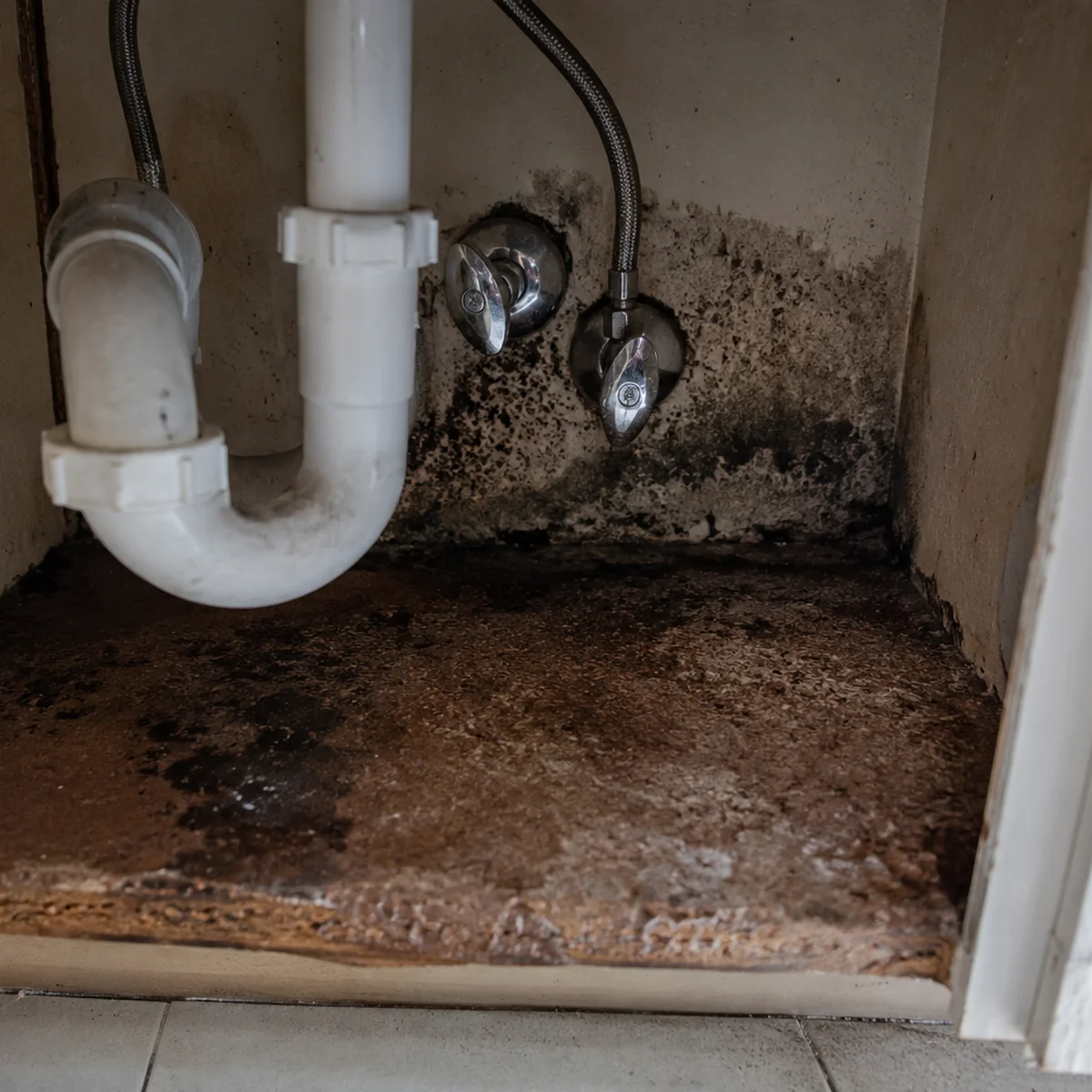
The cabinet under your kitchen sink is the most common place mold takes hold, because a slow drip from a supply line, drain, or garbage disposal can go unnoticed for months inside a closed, dark box. Pull everything out and look at the cabinet floor and back wall. Warped particleboard, dark staining, a musty smell, or peeling laminate all point to a moisture problem. If you find standing water or a soft, swollen cabinet base, you have an active leak, not just surface mold. Our guide on is this mold? helps you tell mold from ordinary water staining.
Behind and under the fridge and dishwasher
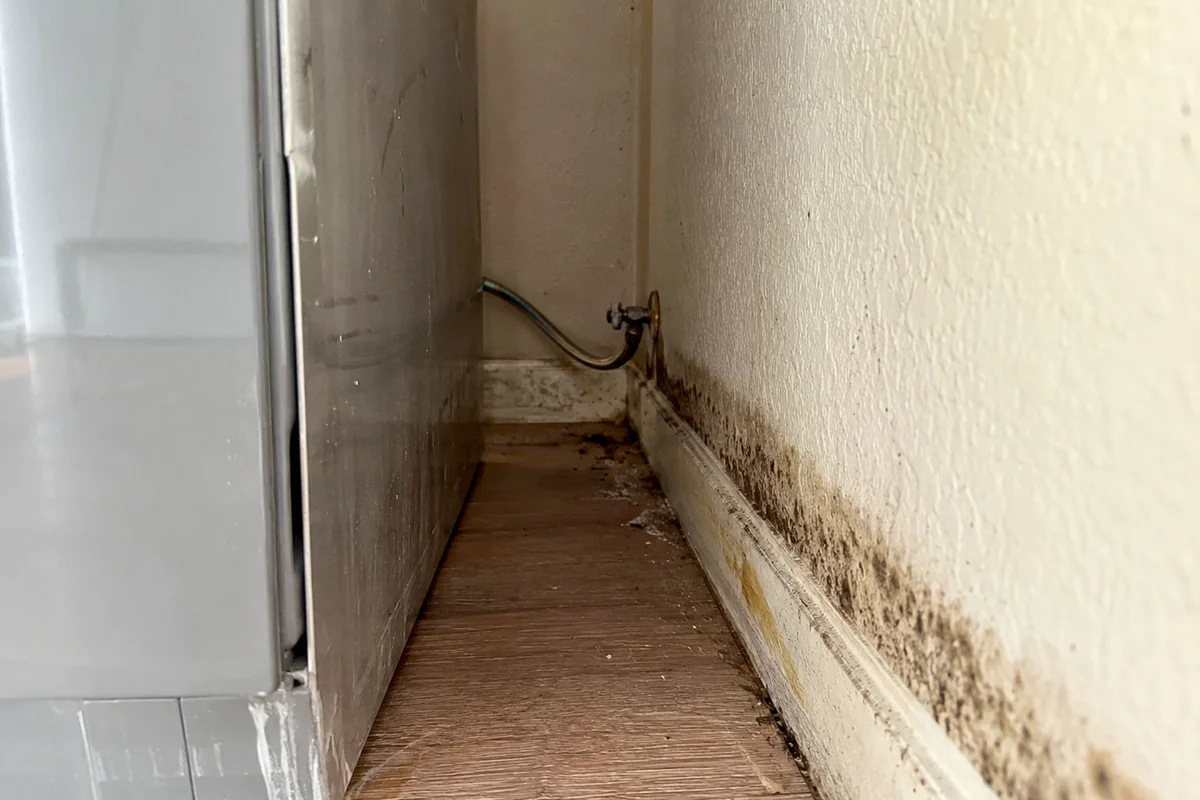
Refrigerators with water and ice lines, and dishwashers with supply and drain hoses, both leak slowly and quietly. The water pools under and behind the appliance where you never see it, feeding mold on the wall and floor. Once or twice a year, pull the appliance out and check the wall, the flooring, and the connections behind it. A refrigerator drip pan that never dries can also grow mold and push a musty odor into the room.
Windows and walls from cooking steam
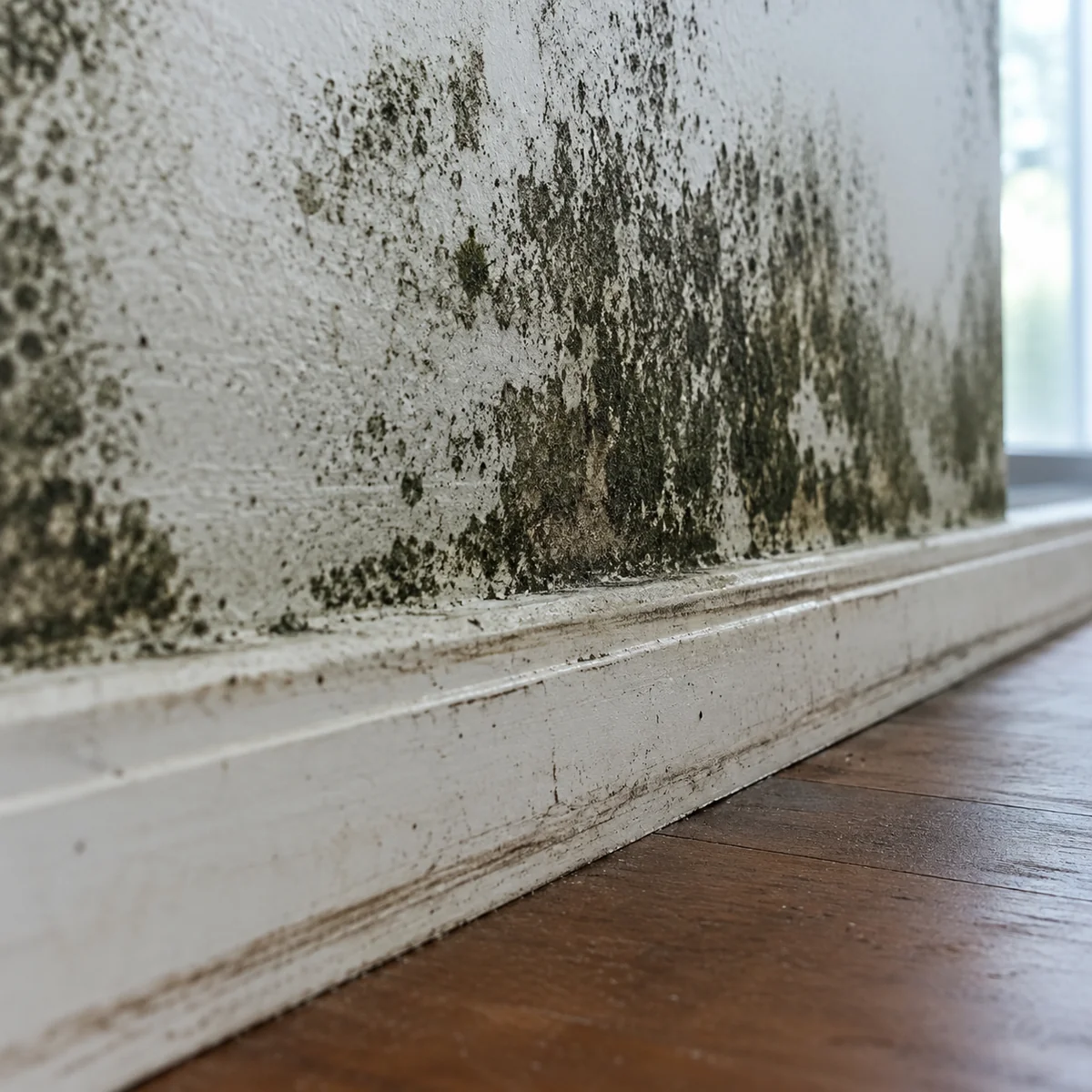
Boiling, simmering, and running the dishwasher all pour moisture into the air. Without ventilation, that steam condenses on cooler surfaces such as window frames, sills, and the wall behind the stove, and mold follows. You will often see small black spots on window trim or a grayish film on the paint. Running your range hood while you cook, and cracking a window, makes a real difference. If mold keeps returning on the same wall, the issue may run deeper than cooking steam, and our do I need a pro? guide can help you decide the next step.
Mold on food versus mold on surfaces
Do not just cut the mold off food
With most foods, mold sends threads deeper than the fuzzy part you can see. Discard moldy soft foods, bread, cooked leftovers, soft cheeses, and produce rather than trimming the spot. Hard cheeses and firm produce like carrots are the narrow exceptions, where cutting an inch around and below the spot is generally accepted.
Surface mold in the kitchen and mold on food are different problems. Toss the affected food, then clean the shelf, drawer, or container it sat in so spores do not spread to the next item. A moldy smell inside the fridge usually means a spill or forgotten item is growing something out of sight.
How to clean a moldy cabinet or surface
For hard, sealed surfaces and mildly affected cabinet interiors under about 10 square feet, you can clean it yourself. Wear an N95 respirator and gloves, and open a window first.
- 1 Empty the area completely and set aside anything porous, like cardboard boxes, that has gotten wet, since those should be discarded.
- 2 Wipe the surface with warm water and dish soap, scrubbing to lift the mold rather than just smearing it.
- 3 Rinse, then dry the area fully with towels and keep air moving until it is fully dry.
- 4 If the cabinet base is swollen, soft, or crumbling, cleaning will not save it. That material needs replacing, which points to a bigger repair.
Ventilation: your best long-term defense
Most kitchen mold traces back to moisture that had nowhere to go. A range hood that vents outside, not just recirculates, pulls cooking steam out of the room. Fix drips promptly, wipe down window condensation, and consider a small dehumidifier if your kitchen stays humid. Keeping indoor humidity in the 30 to 50 percent range makes the room far less friendly to mold.
When a hidden leak needs a pro
Some kitchen mold signals a problem behind the finishes. If a cabinet base keeps getting wet, if there is mold on the wall behind the sink or dishwasher, or if a musty smell lingers after you have cleaned every surface you can reach, water is likely moving inside the wall or under the floor. That calls for a certified remediation contractor who can find the source and handle materials safely. See who to call about mold or go straight to find a licensed local pro.
Frequently asked questions
Is mold under the sink dangerous?+
A small patch of mold under the sink is usually a cleanup and repair task rather than an emergency, but it should not be ignored because it means water is getting where it should not. Fix the leak, clean or replace the affected material, and if you have breathing sensitivities, let a pro handle it. For guidance on health framing, EPA and CDC both advise addressing the moisture and seeing a doctor for any symptoms.
How do I clean a moldy cabinet?+
Empty it, wear an N95 and gloves, and scrub sealed surfaces with warm soapy water, then dry thoroughly. Discard any wet cardboard or porous items. If the cabinet base is swollen, soft, or crumbling, it cannot be cleaned and needs replacing.
Is moldy food safe if I cut the mold off?+
Usually not. Mold roots run deeper than the visible spot in soft foods, bread, leftovers, soft cheese, and produce, so those should be thrown out. Hard cheeses and firm vegetables are the exception, where cutting an inch around and below the mold is generally considered acceptable.
Why does my kitchen smell musty?+
A persistent musty smell usually means mold is growing somewhere you cannot see, often under the sink, behind an appliance, or inside the fridge. Track down and clean any wet or spoiled source. If the smell lingers after cleaning every reachable surface, a hidden leak inside the wall or floor may be the cause, and a pro can locate it.
What mold looks like
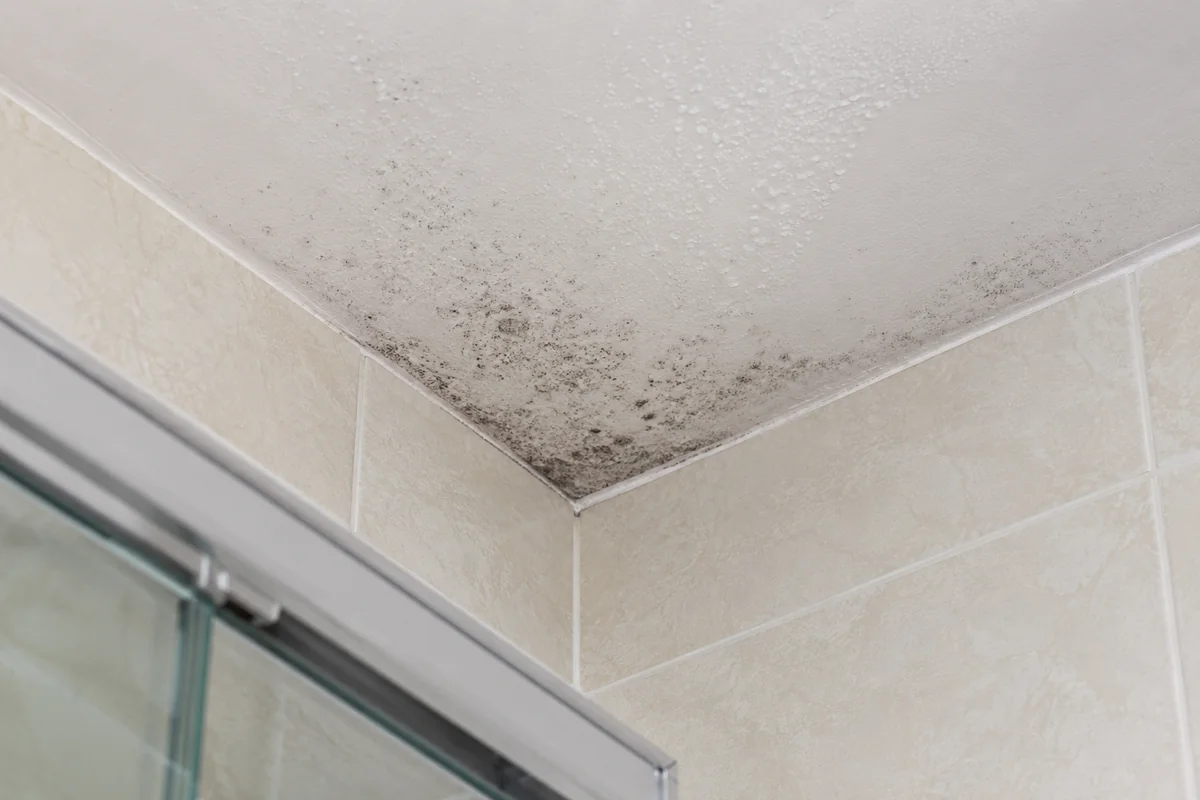
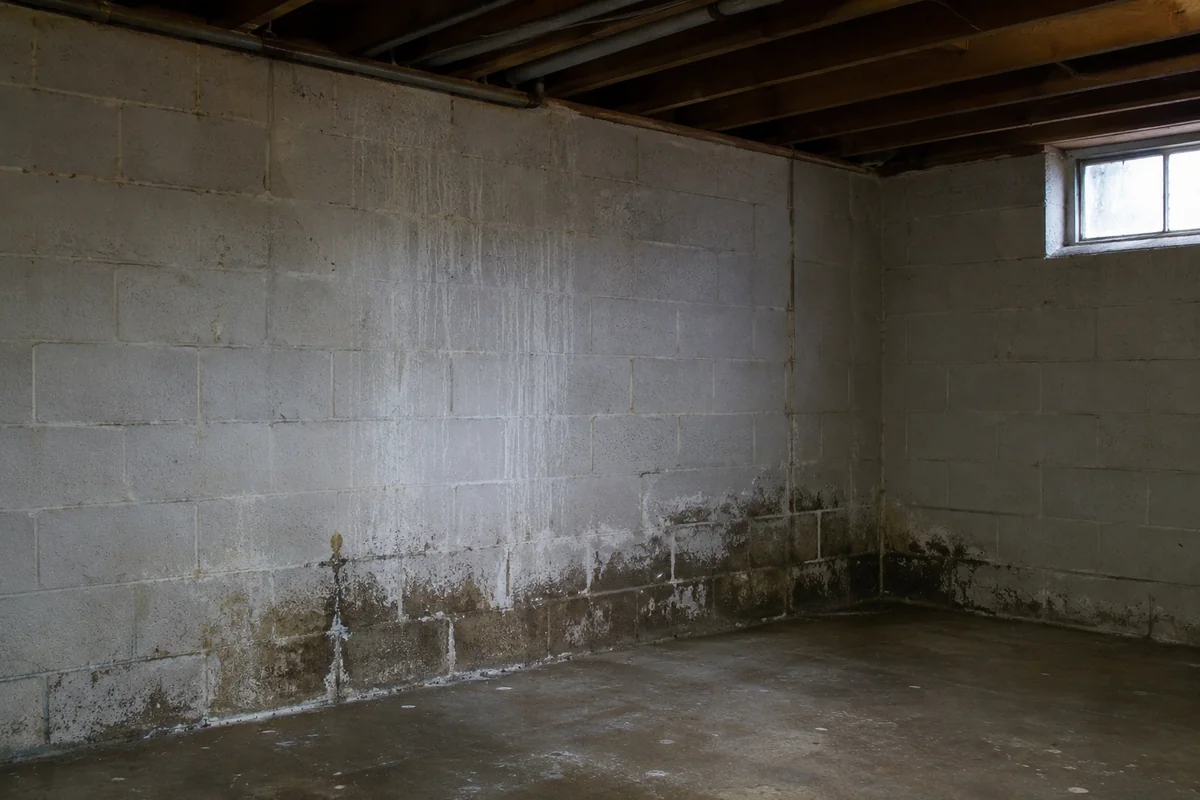
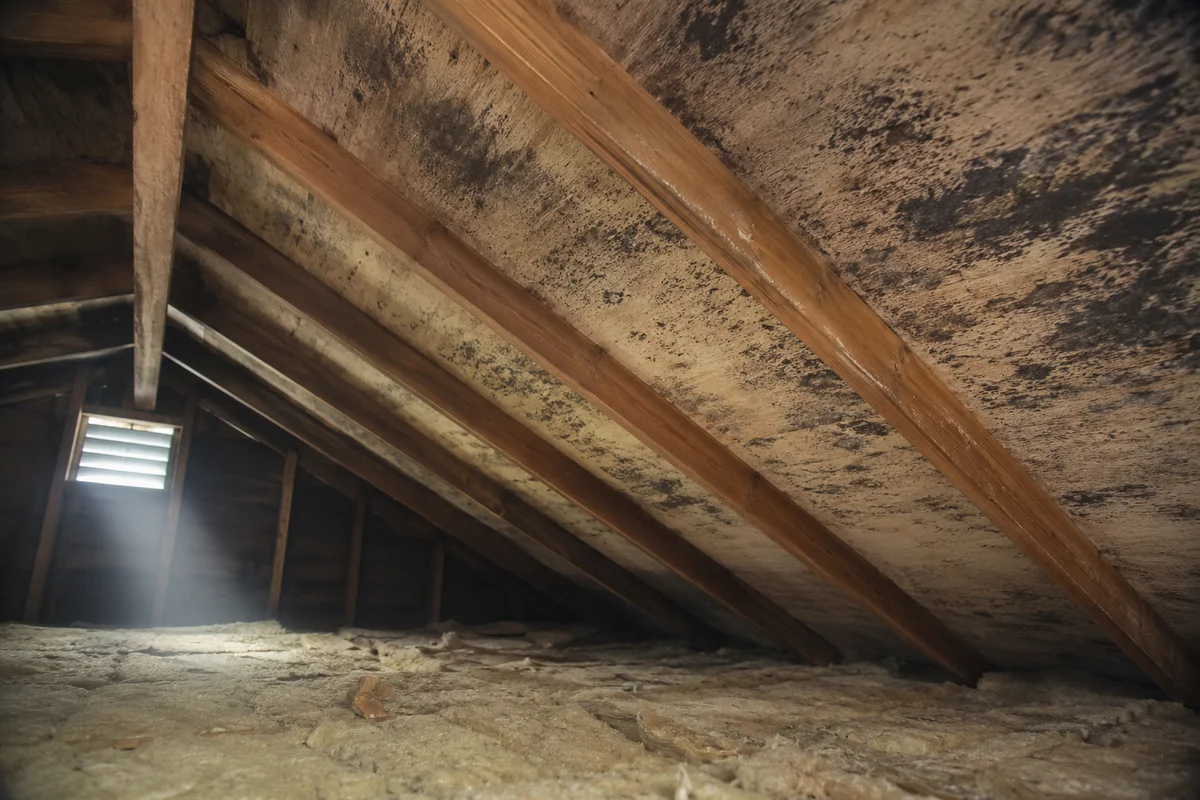
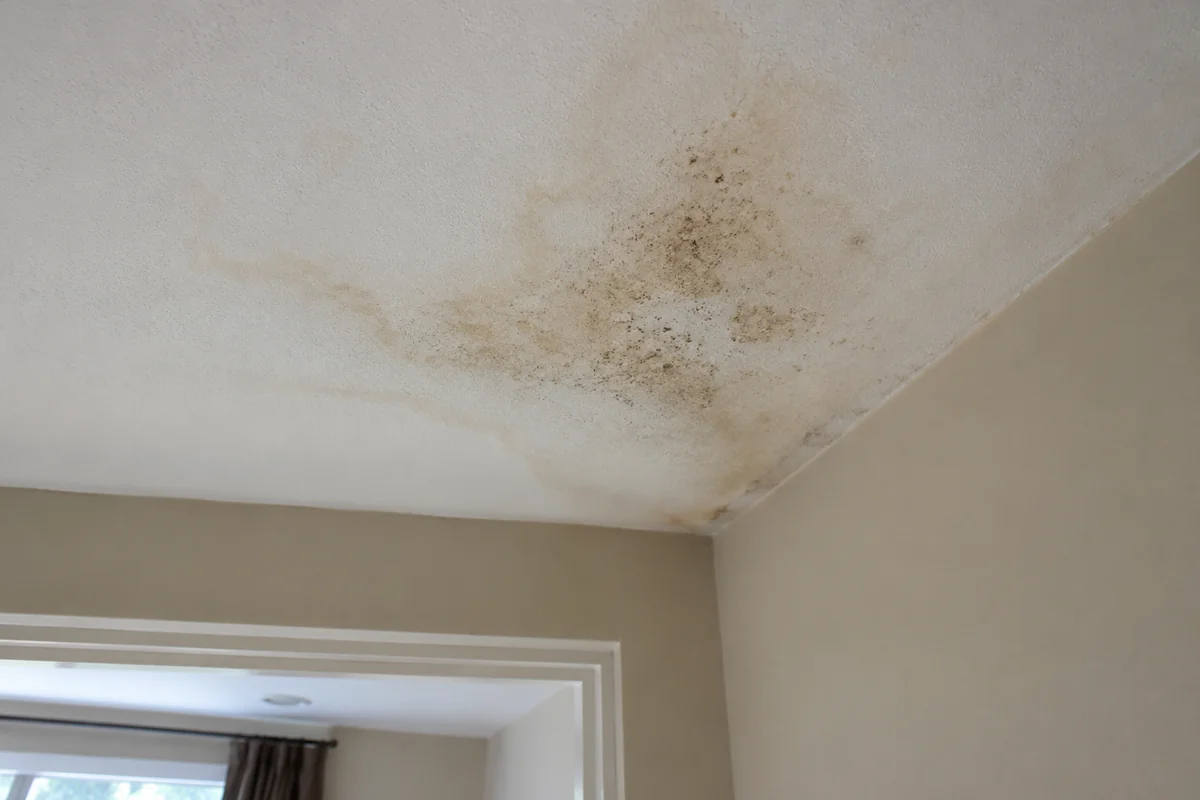
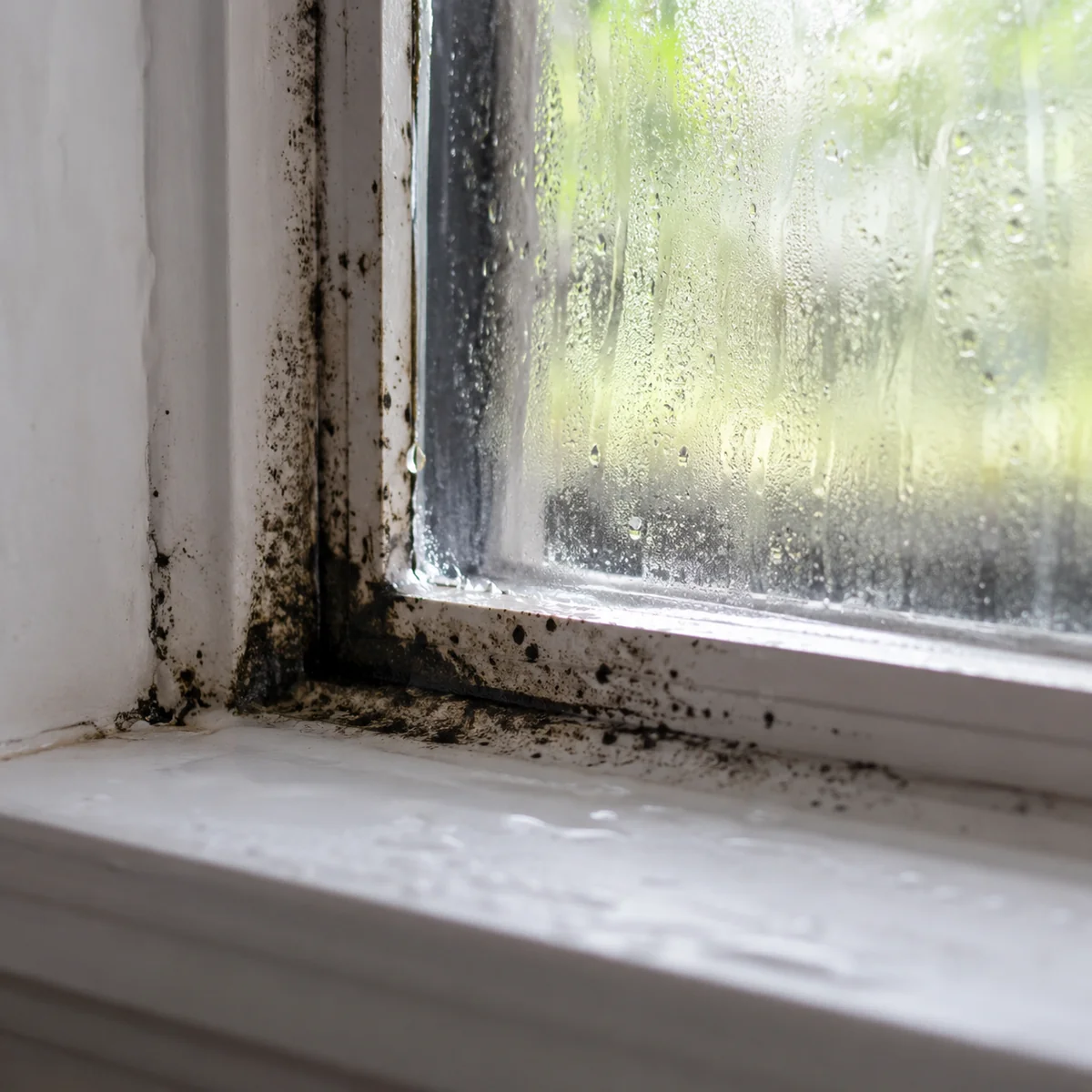
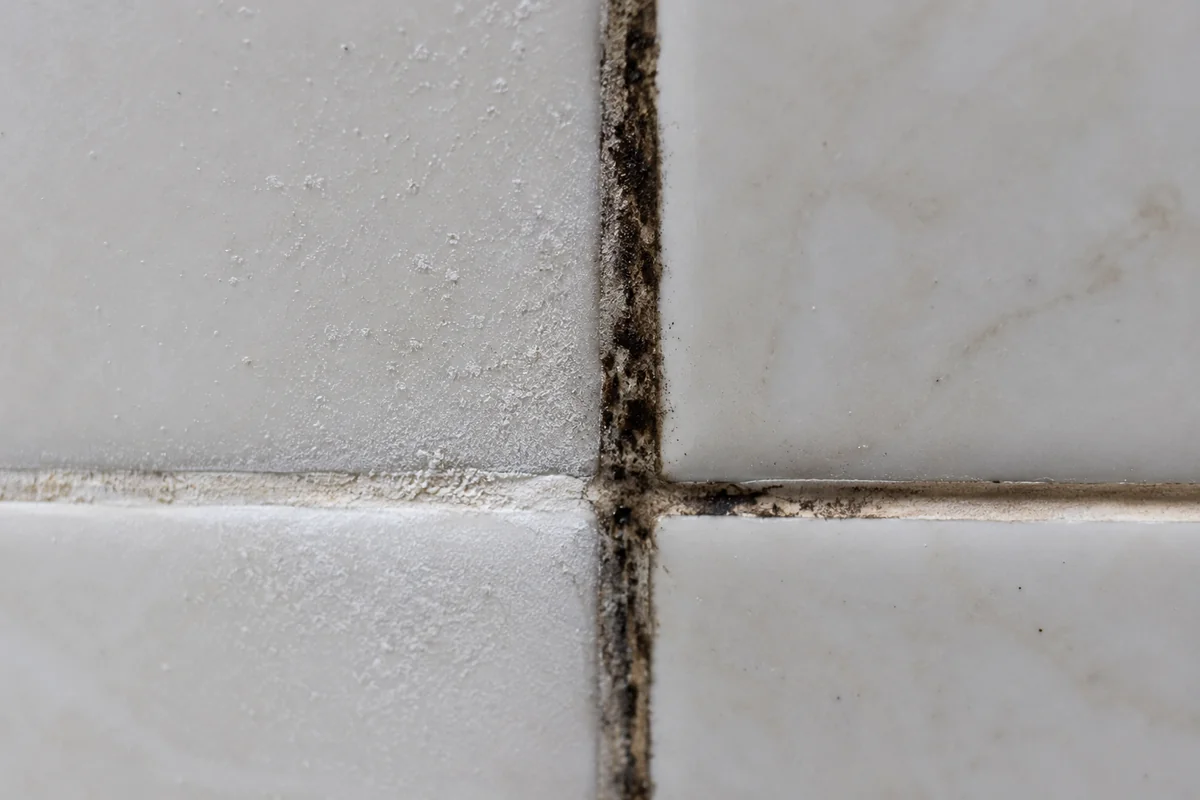
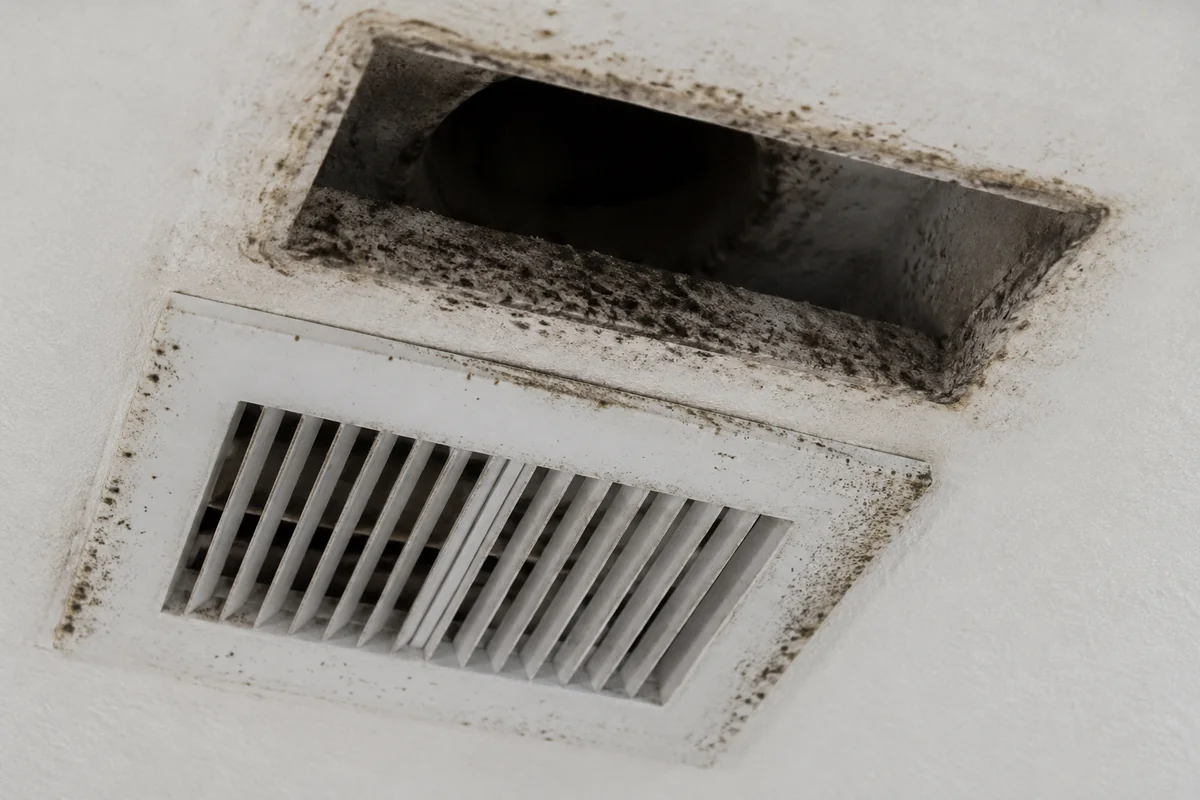
Not sure what you are dealing with?
A quick guided check tells you what you are looking at and the right next step.
Most kitchen mold comes down to a quiet drip or trapped steam, and catching it early keeps a small cleanup from becoming a cabinet replacement. Check the hidden spots, keep the room ventilated and dry, and toss moldy food rather than trimming it. When a hidden leak keeps feeding mold in the kitchen, a licensed local pro can find the source and put it right.
Not sure if it is even mold?
A quick guided check tells you what you are looking at and what to do next.