Residential
Mold on Windows: Why It Happens and How to Stop It
Why window sills grow black mold, how to clean frames safely, and when persistent growth points to a whole-home humidity problem.
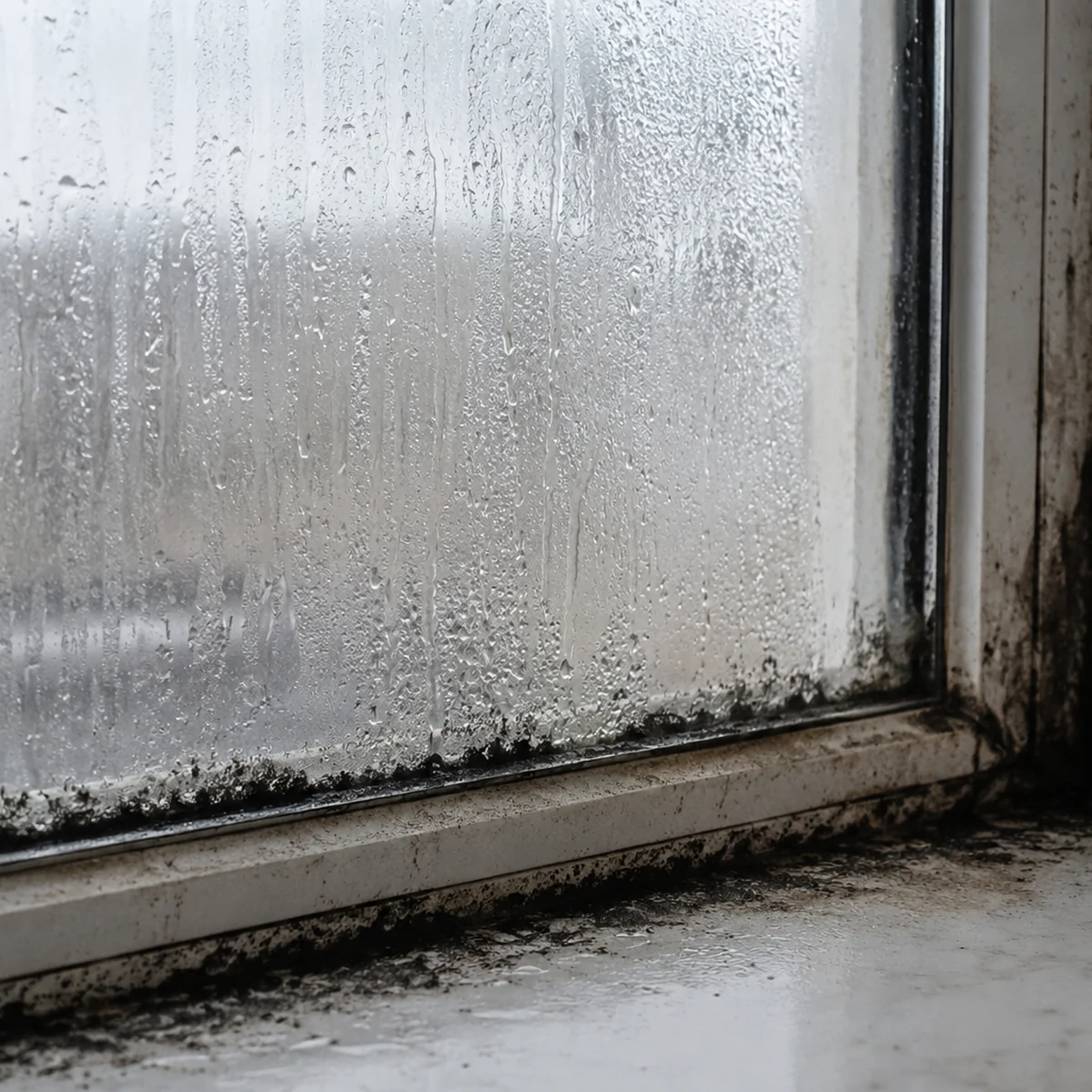
Mold on windows is one of the most common sights homeowners notice, usually as dark spots creeping along the sill or into the corners of the frame. Almost every time, the culprit is condensation: warm, moist indoor air hitting a cold pane of glass and leaving water behind. That water sits on the sill and frame, and mold moves in. This guide explains why it happens, how to clean it safely, and when window mold is warning you about a bigger humidity problem in the house.
Condensation is almost always the root cause
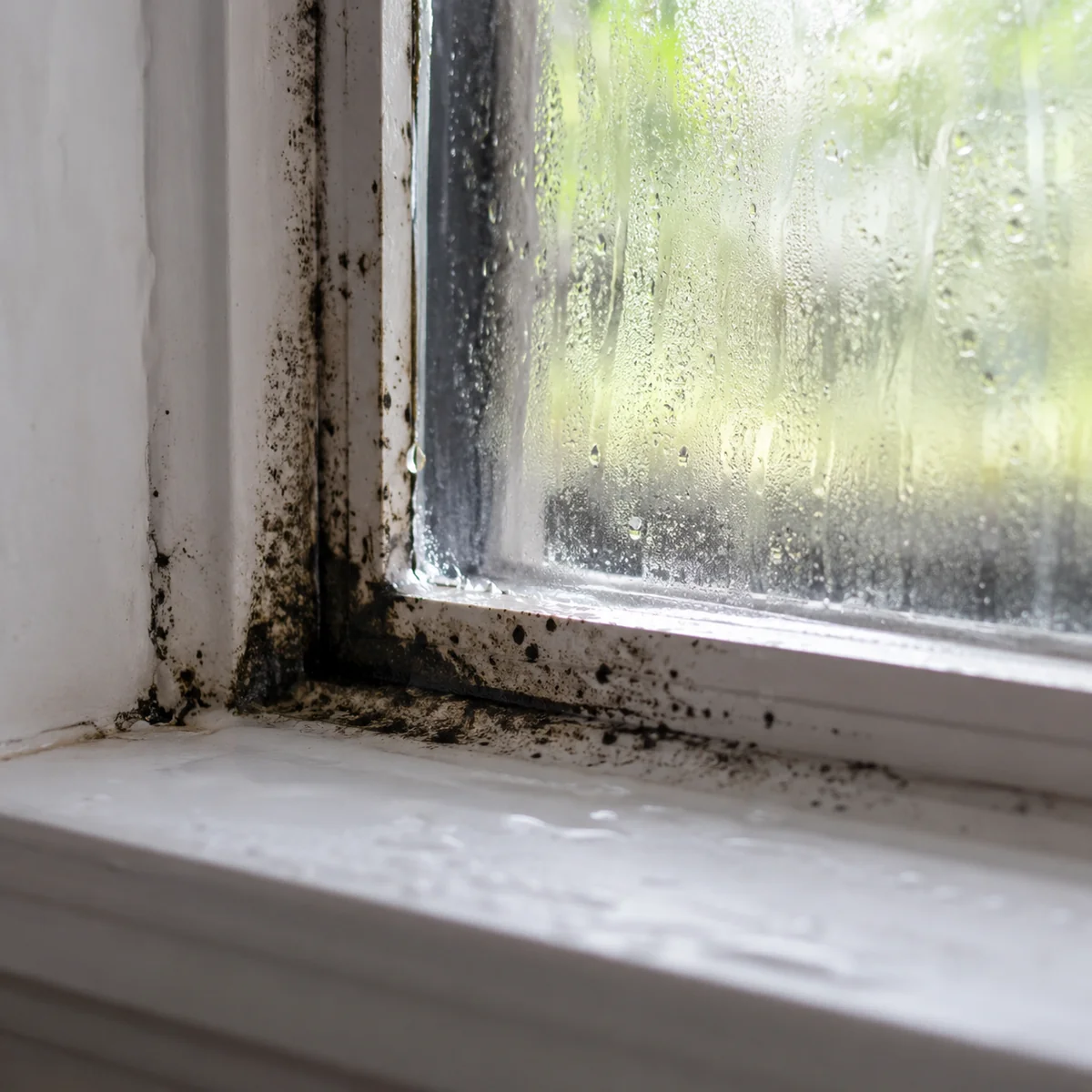
Air holds less moisture as it cools. When humid indoor air touches a cold window, the moisture condenses into droplets, the same way a cold drink sweats in summer. Kitchens, bathrooms, bedrooms where people sleep with the door shut, and homes where laundry dries indoors all push humidity up. The window is not the problem so much as the coldest surface in the room, where that excess moisture shows up first.
Single versus double glazing and cold surfaces
Older single-pane windows and metal frames get very cold in winter, so they attract far more condensation than modern insulated units. Double glazing keeps the interior pane closer to room temperature, which reduces sweating. If you have single-pane windows, expect more condensation and stay on top of drying the sills. Even good double-glazed units can grow mold if indoor humidity is high enough or air never moves past them, such as behind heavy curtains or blinds.
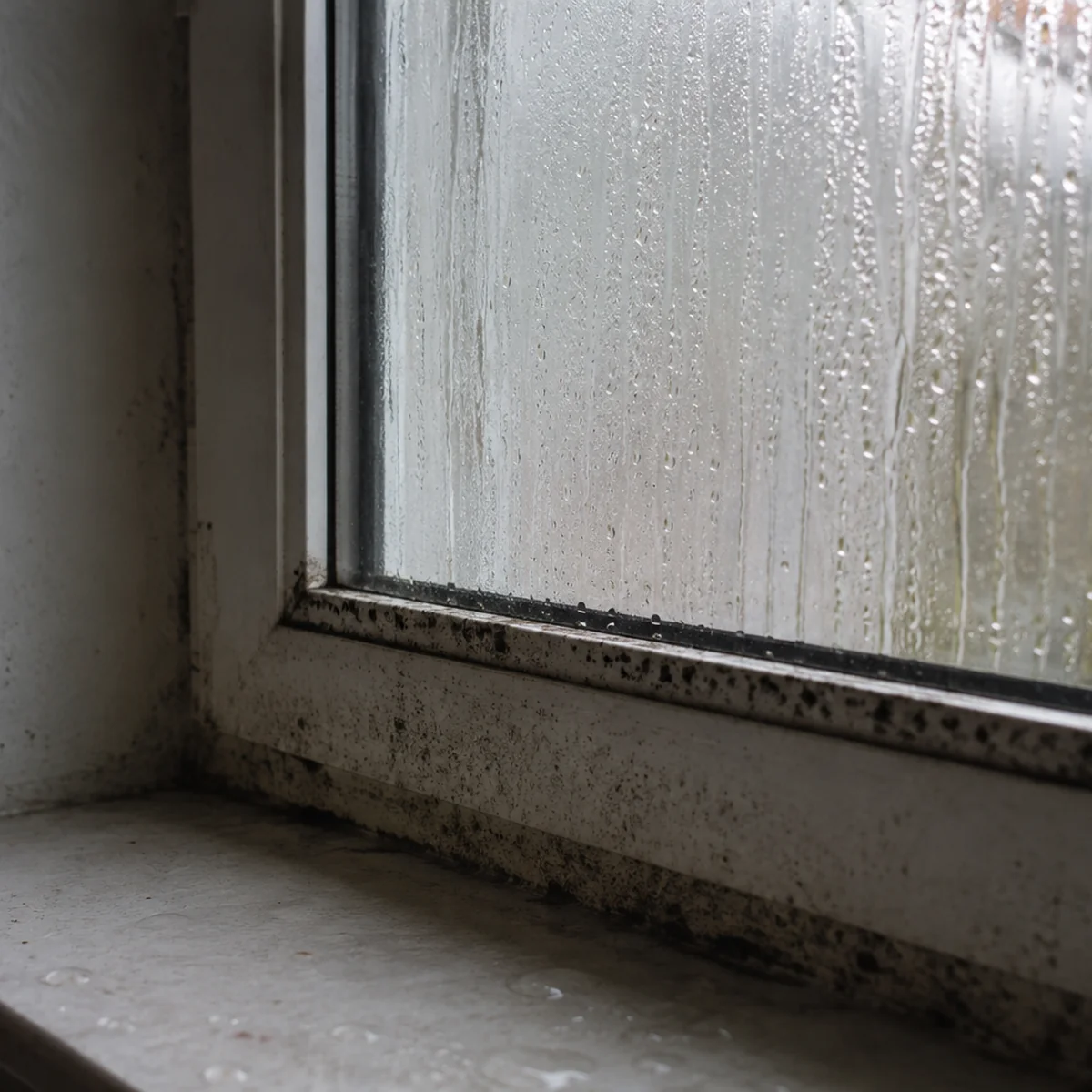
Black mold on sills and frames
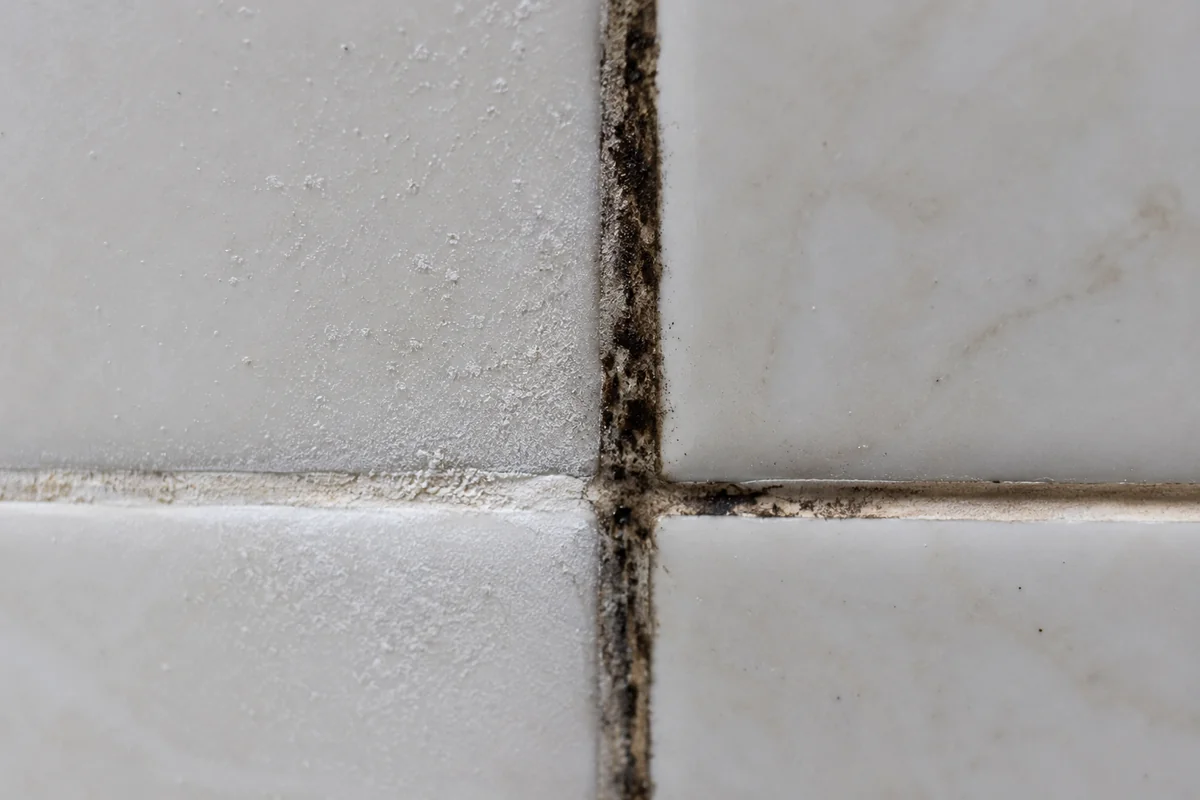
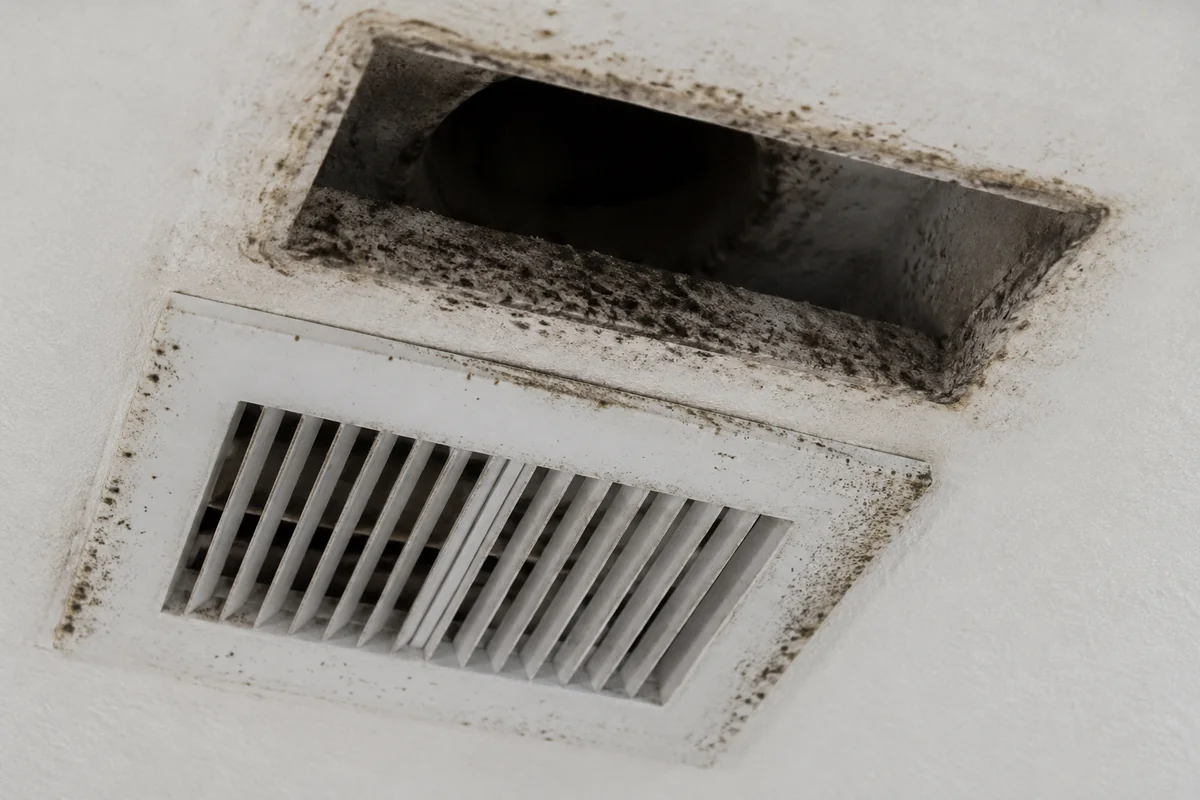
The dark speckling you see on window sills, in frame corners, and along rubber seals is typically mold that took hold in the constant damp. It favors the joints and porous edges where water lingers longest. Caught early on hard frames and glass, it wipes off. Left for months, it can stain paint and degrade rubber gaskets. If you are unsure whether those spots are mold or just grime, our is this mold? guide walks through the difference, and there is more on the color question in is black mold dangerous?.
Mold versus harmless dirt and grime
Not everything dark on a window is mold. General dust, city grime, and dead insects collect on sills too. A few clues help you tell them apart.
- Mold often looks fuzzy or speckled and spreads in irregular patches, while dirt looks flat and even
- Mold tends to gather where moisture sits, in corners and along seals, not evenly across the glass
- Mold may return within days of cleaning if the condensation continues, while cleaned-off dirt stays gone
- A musty smell near the window points to mold rather than dust
How to clean window frames and sills
A small patch of window mold is well within reach of a homeowner. Wear gloves and an N95 respirator, and open the window while you work.
- 1 Wipe the mold away with a cloth dampened in warm soapy water, working from the outside of the patch inward so you do not spread it.
- 2 Scrub stubborn spots on the frame, seals, and sill corners with an old toothbrush.
- 3 Rinse the area with a clean damp cloth, then dry it completely so no moisture is left behind.
- 4 Wash your cloths in hot water or throw them out, since spores cling to fabric.
Humidity control and ventilation
Cleaning treats the symptom. Controlling moisture is what actually stops window mold from returning. The aim is to keep indoor humidity in the 30 to 50 percent range and to keep air moving past cold surfaces.
- Run bathroom and kitchen exhaust fans during and after showers and cooking
- Open windows briefly each day to let moist air out, even in winter
- Use a dehumidifier in rooms that stay damp
- Wipe condensation off sills in the morning before mold can start
- Pull curtains and blinds back so air can reach the glass
When window mold signals a bigger problem
If mold keeps returning on many windows despite regular cleaning and ventilation, the house itself may be holding too much moisture. Persistent condensation across the home can point to poor ventilation, a failed window seal letting outside moisture in, or humidity problems that also feed mold elsewhere. When that is the case, the window is just the visible tip, and a professional can assess the whole picture. Start with do I need a pro? or reach out to find a licensed local pro.
Frequently asked questions
Why is there black mold on my window sill?+
Because the sill stays damp. Warm indoor air condenses on the cold glass and frame, water collects on the sill, and mold grows in that constant moisture. The dark color is simply the type of mold that commonly thrives there. Wiping it off helps, but reducing condensation is what keeps it from coming back.
How do I stop window condensation?+
Lower indoor humidity and keep air moving. Run exhaust fans, open windows briefly each day, use a dehumidifier in damp rooms, and pull curtains back so air reaches the glass. Wiping sills dry in the morning also stops moisture from lingering long enough to feed mold.
Is window mold dangerous?+
A small amount of mold on a window frame is generally a cleanup task rather than a hazard, but ongoing exposure can bother people with allergies or breathing conditions. The right response is to remove the mold, fix the condensation, and see a doctor about any symptoms. EPA and CDC both emphasize addressing the moisture source.
Will mold damage the window?+
Left long enough, yes. Persistent mold and damp can stain and rot wooden frames, degrade rubber seals and gaskets, and cause paint to peel. Cleaning it early and controlling condensation protects both the window and the surrounding wall.
What mold looks like
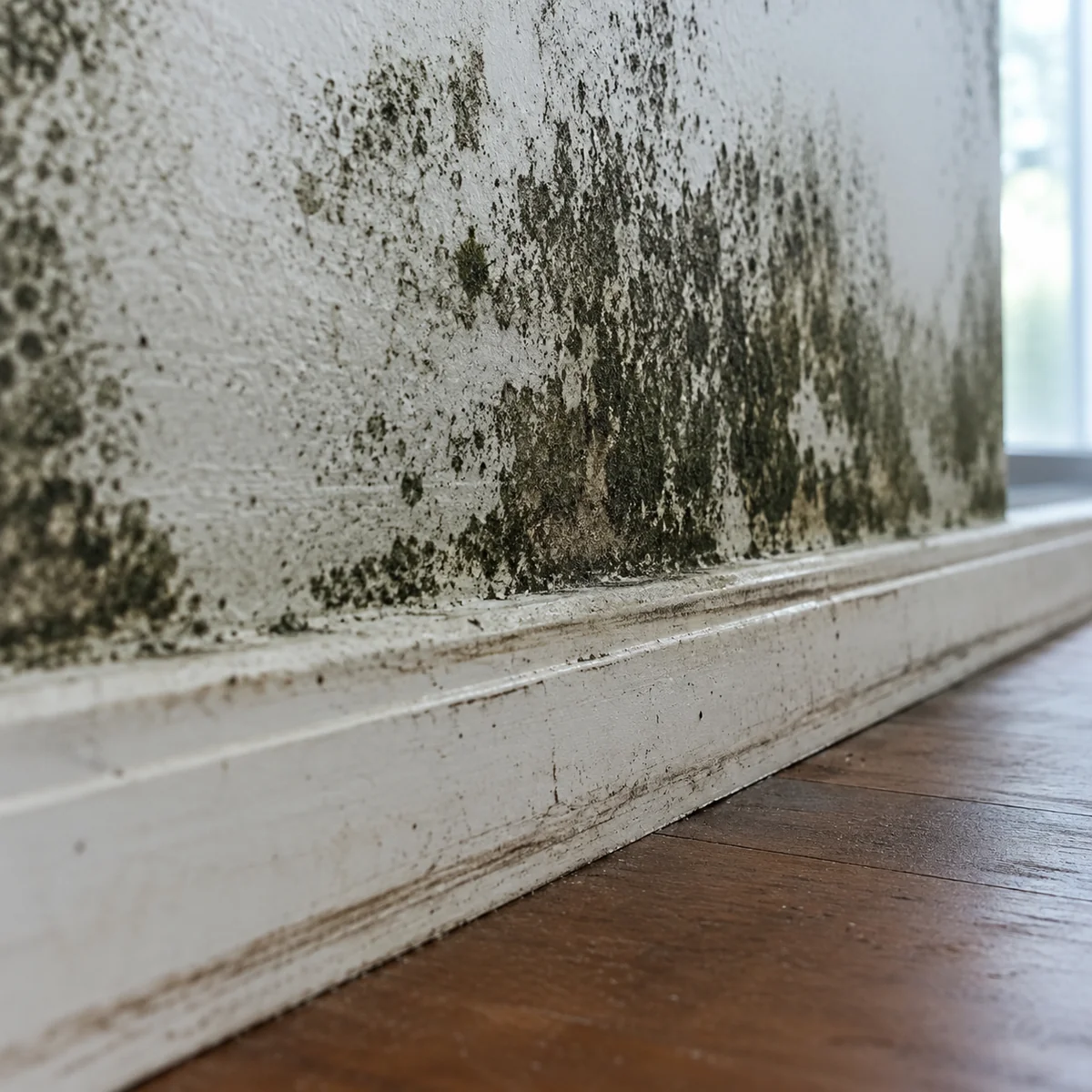
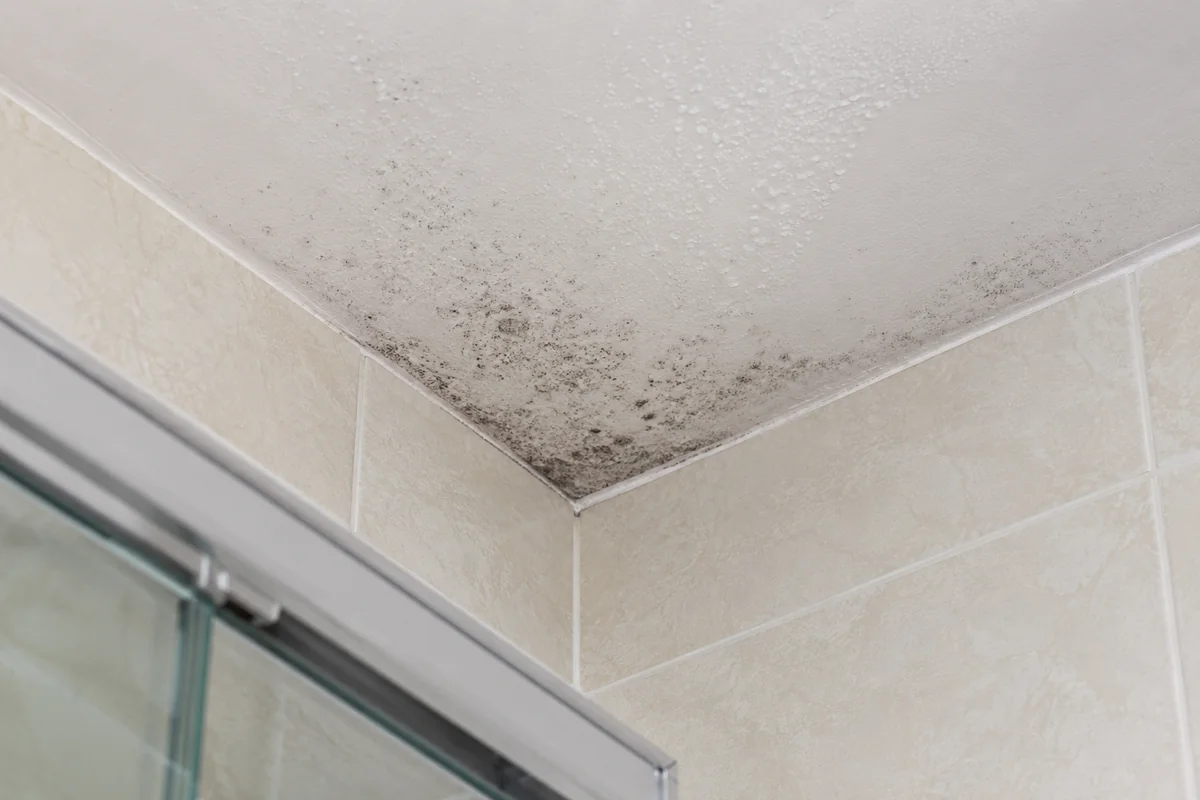
Not sure what you are dealing with?
A quick guided check tells you what you are looking at and the right next step.
Window mold is rarely a mystery: it is condensation you can see, and the fix is to cut the moisture and keep air moving as much as it is to scrub the sill. Clean the spots early, control humidity, and watch whether it keeps returning. When it does return across the home no matter what you try, mold on windows is telling you about a larger humidity problem, and a licensed local pro can help you get to the bottom of it.
Not sure if it is even mold?
A quick guided check tells you what you are looking at and what to do next.