Residential
How to Report Mold to Your Landlord
A practical walkthrough for putting your mold complaint in writing, delivering it so it counts, and keeping proof from the very first day.
When you report mold to your landlord, doing it in writing is the single most useful thing you can do to protect yourself later. A phone call or a passing comment in the hallway is easy to forget and impossible to prove. A dated, written notice creates a record that shows exactly what you saw, when you saw it, and what you asked for. This guide walks through what to include, how to deliver it, and how to keep proof, so you start from a strong and organized position.
General guidance, not legal advice
This page is general information to help you communicate clearly with your landlord. It is not legal advice, and rules differ from state to state. For questions about your specific situation, contact a tenant-rights organization, legal aid, or your local housing or health department.
Why written notice matters more than a phone call
Verbal reports vanish. If a dispute ever comes up, a written notice is the thing you can point to. It shows you raised the problem, gave a location and a date, and asked for a repair. It also signals to your landlord that you are keeping records, which often prompts a faster response. In many states, written notice is also the step that starts the clock on a landlord's duty to respond, so putting it in writing can matter for reasons beyond simple record keeping. Check your state's rules for the specifics.
What to include in your mold complaint
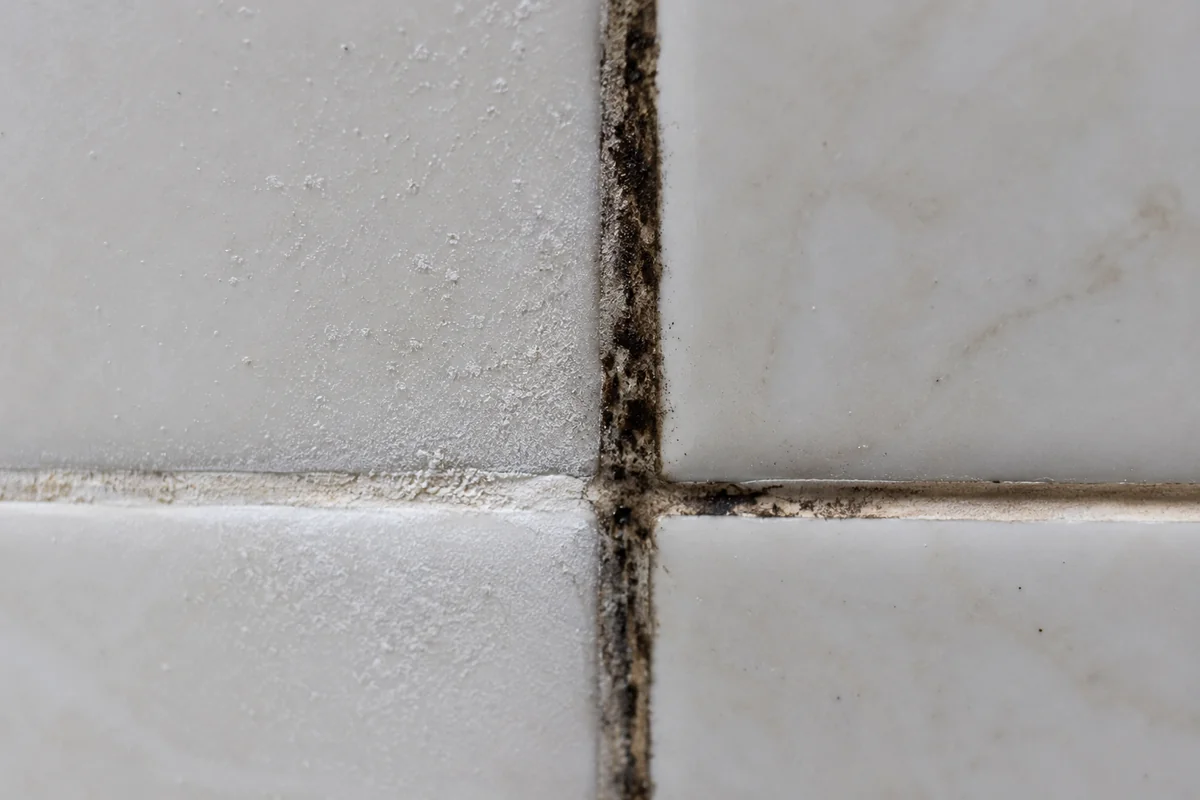
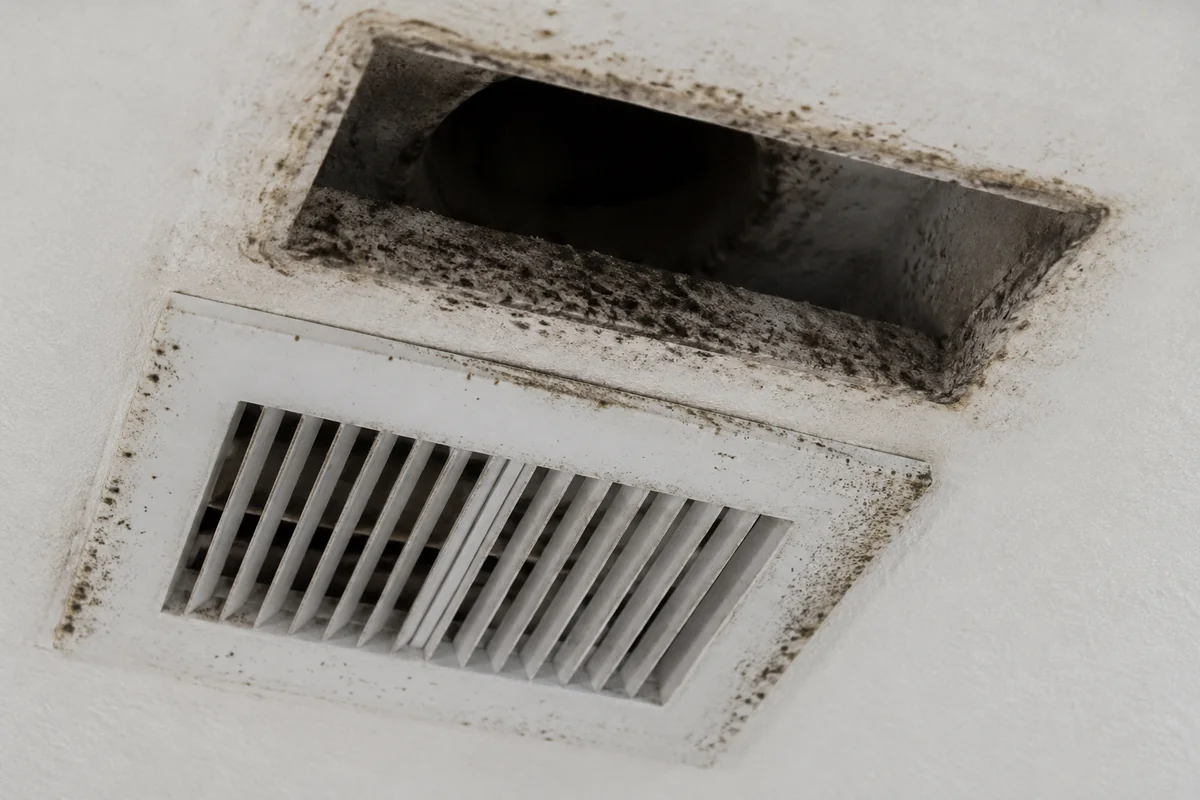
A good notice is short, factual, and specific. You are describing a problem and asking for it to be inspected and repaired. You do not need to diagnose anything or use technical terms. If you are unsure whether what you are seeing is even mold, our is this mold? guide can help you describe it accurately.
- The exact location: which room, which wall or ceiling, near which window or pipe.
- When you first noticed it and any dates it got worse.
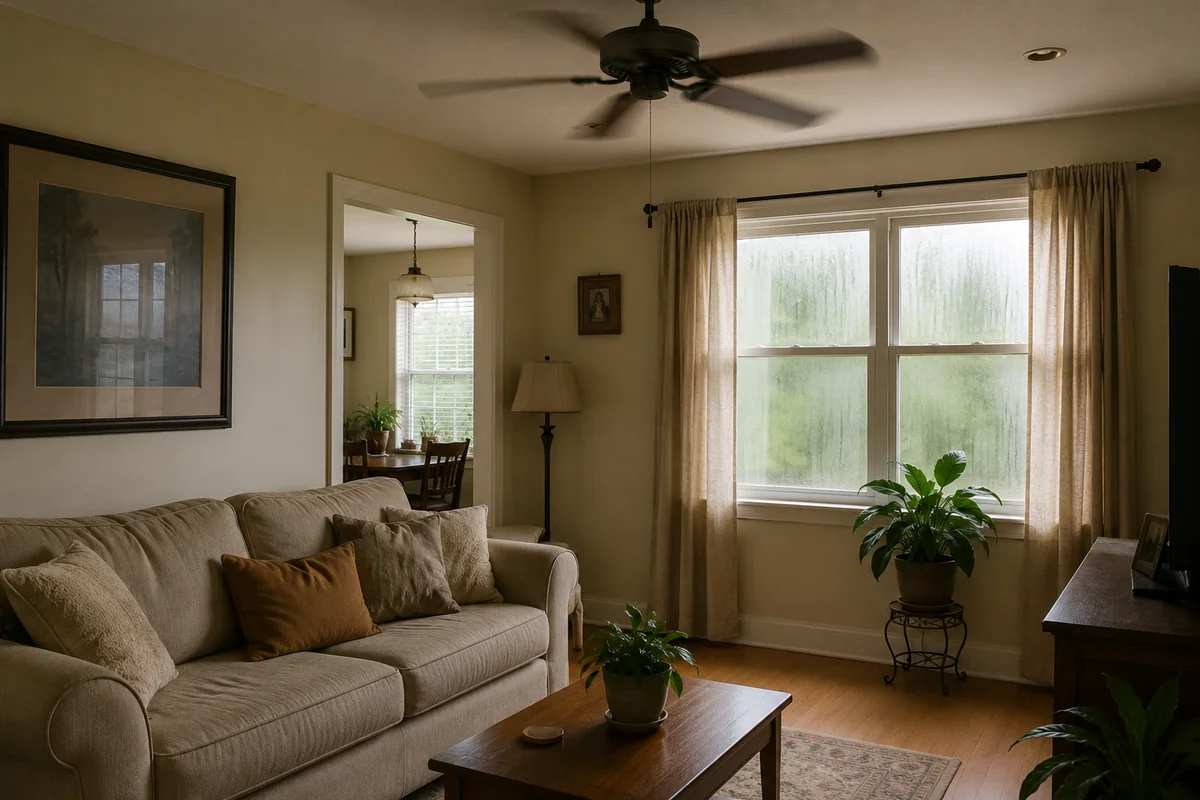
- Any moisture source you have spotted, like a leak, condensation, or a past flood.
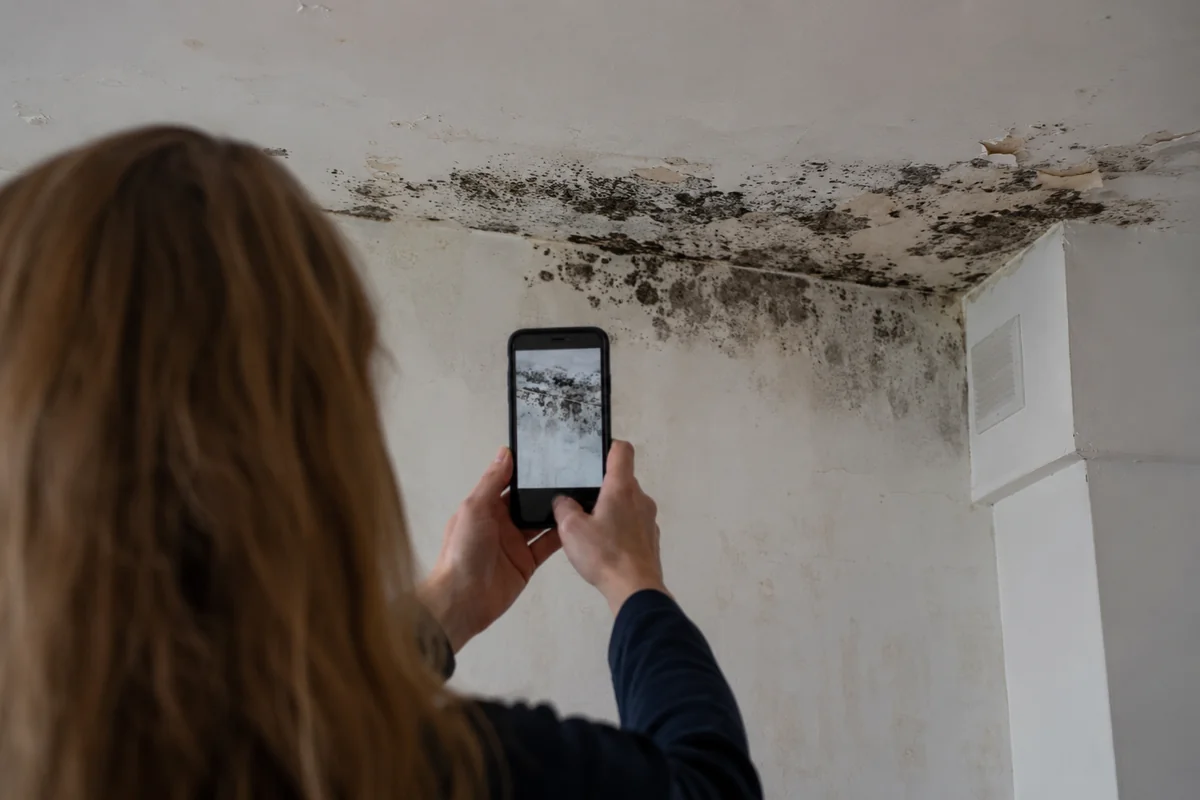
- Clear photos, with the date visible or noted.
- A plain request to inspect and repair, and to fix the underlying moisture problem.
- Your name, unit number, and the best way to reach you.
How to write and send the notice, step by step
- 1 Write a short, dated message that states the location, when you noticed the mold, and any moisture source.
- 2 Attach or reference photos and note the date each photo was taken.
- 3 Clearly ask your landlord to inspect the unit and repair both the mold and the source of moisture.
- 4 Send it in a way that leaves a trail, such as email, a portal message, or a letter with delivery tracking.
- 5 Save a copy of exactly what you sent, along with the date and time.
- 6 Note a reasonable window for a response and mark your calendar to follow up.
If you would rather work from a template than write from scratch, our renter mold rights and notice-letter generator can help you assemble a clear notice with the right fields already laid out.
How to deliver it and keep proof
The delivery method matters because it is your proof. Email and tenant-portal messages create an automatic timestamp. If you send a paper letter, consider a mailing option that gives you delivery confirmation, and photograph the letter before you seal it. Whatever method you use, keep the original and a backup copy somewhere safe, like a folder in your email and a second copy saved to your phone or a cloud account. Our document mold in a rental guide covers how to organize all of this over time.
Giving a reasonable time to respond
Landlords generally get a reasonable amount of time to inspect and arrange a repair. What counts as reasonable varies by state and by how urgent the problem is, so avoid assuming a fixed number of days. If the response window passes with no action, that is the point to send a second written notice and consider next steps. If that happens, see what to do when a landlord won't fix mold, and if you are unsure who has authority in your area, our who to call about mold page can point you toward the right office.
When to bring in an inspection or a pro
Sometimes the landlord agrees to inspect but you are not sure the fix addresses the real moisture source. If the problem is large, keeps coming back, or you simply want an independent read on it, you can consult a professional. Our do I need a pro? guide helps you decide, and find a licensed local pro can connect you with someone in your area. An independent assessment can also become part of your record.
Frequently asked questions
How do I write a mold complaint?+
Keep it short and factual. State the exact location, when you first noticed the mold, any moisture source you spotted, and a clear request to inspect and repair. Attach dated photos and include your name, unit, and contact details. A template like the one in our notice-letter generator can make this easier.
Should I email or mail a letter?+
Either can work, and what matters most is that you keep proof. Email and portal messages create an automatic timestamp. A mailed letter with delivery confirmation also works, and it helps to photograph the letter before sending. Some states specify a delivery method, so check your state's rules if you want to be careful.
What if my landlord ignores my notice?+
Give a reasonable time to respond, then send a second written notice. If it is still ignored, you may be able to contact your local housing or health department, code enforcement, or a tenant-rights organization. See our guide on what to do when a landlord won't fix mold for the escalation ladder.
Should I include photos?+
Yes. Clear, dated photos make your report concrete and hard to dispute later. Photograph the affected area from a few angles, capture any moisture source, and note the date each photo was taken. Keep the originals.
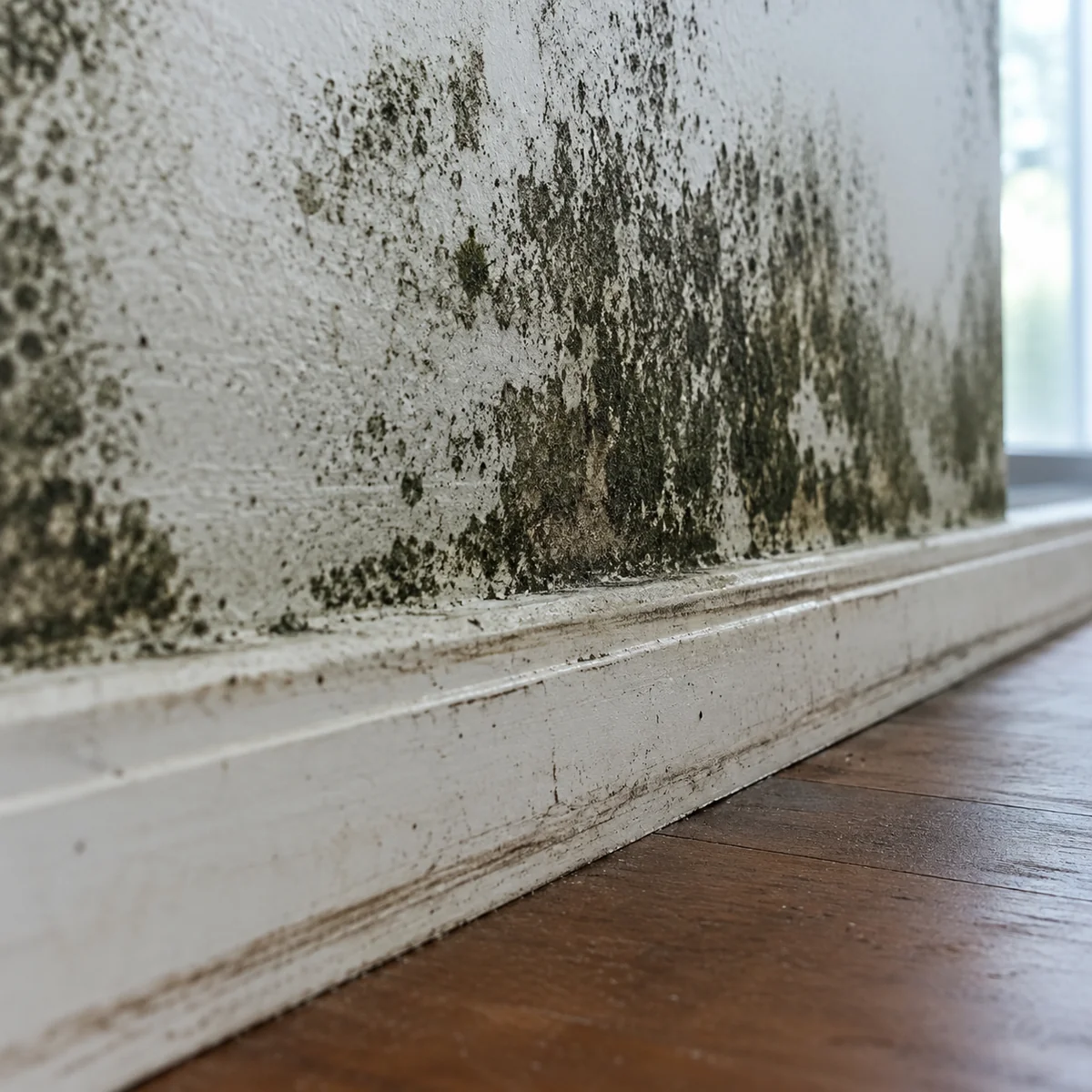
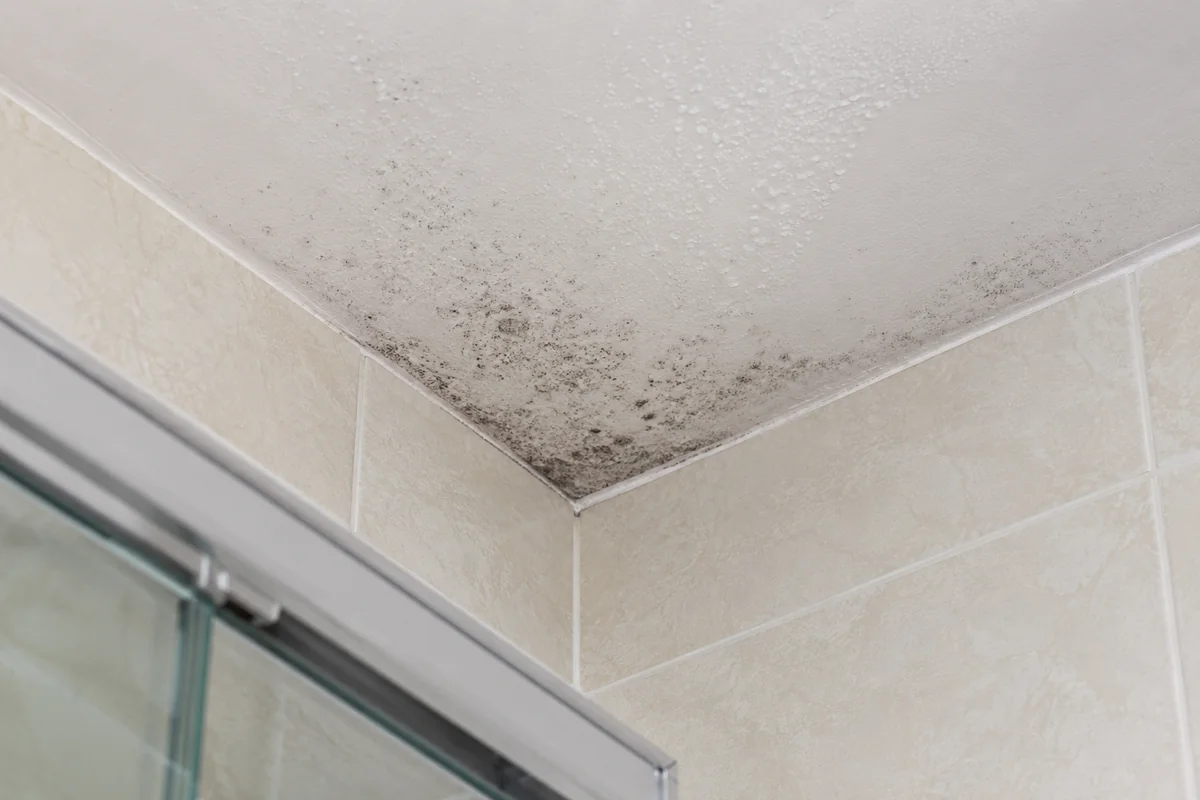
What mold looks like
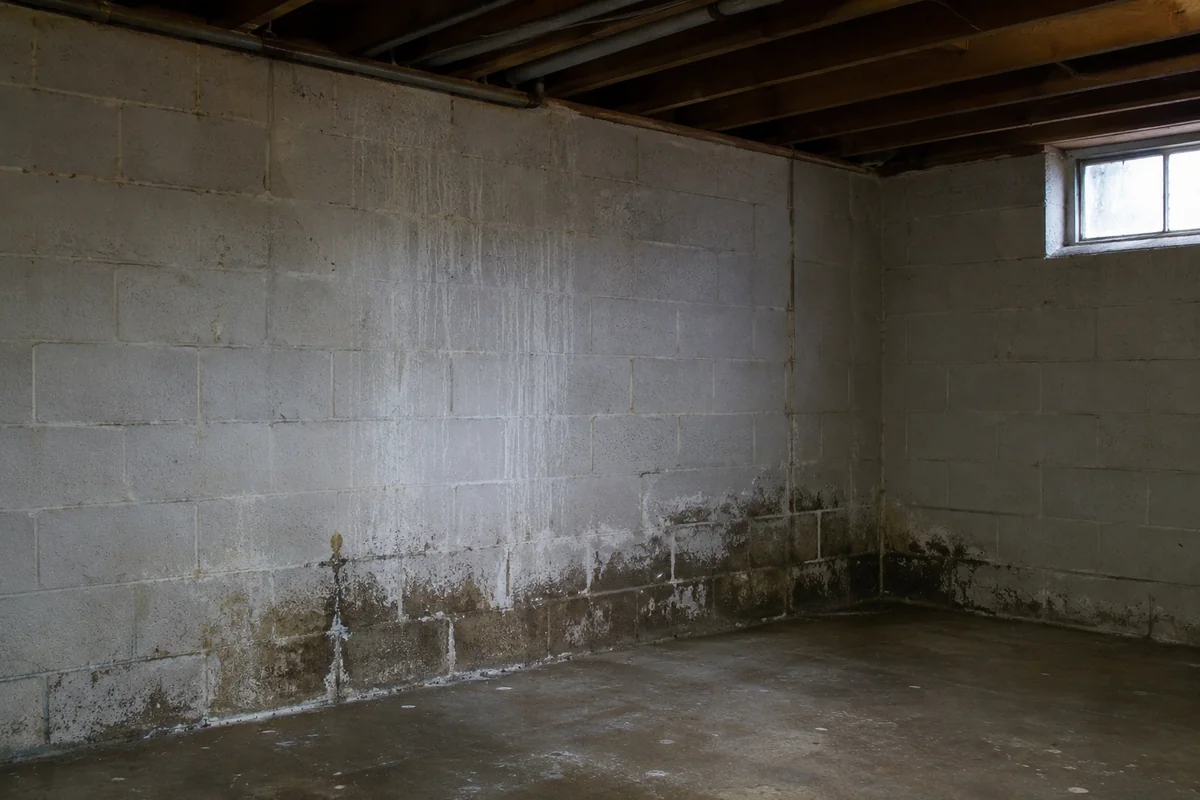
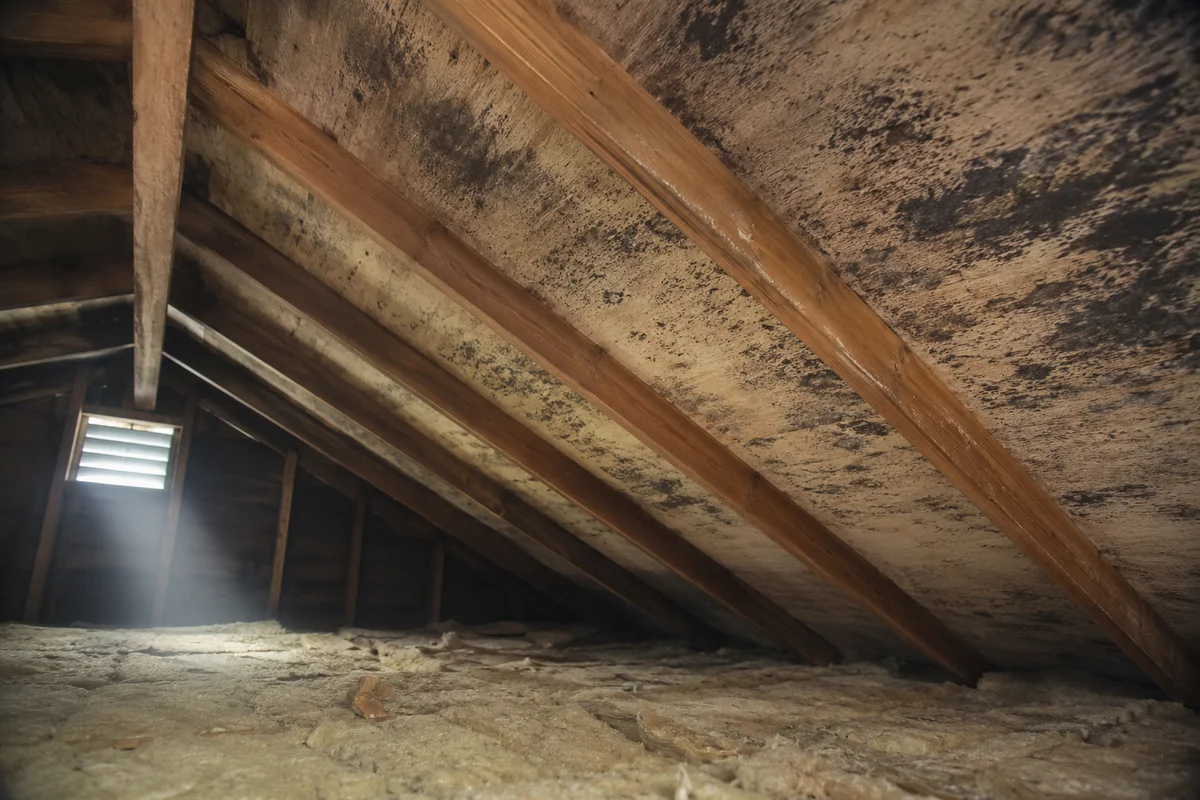
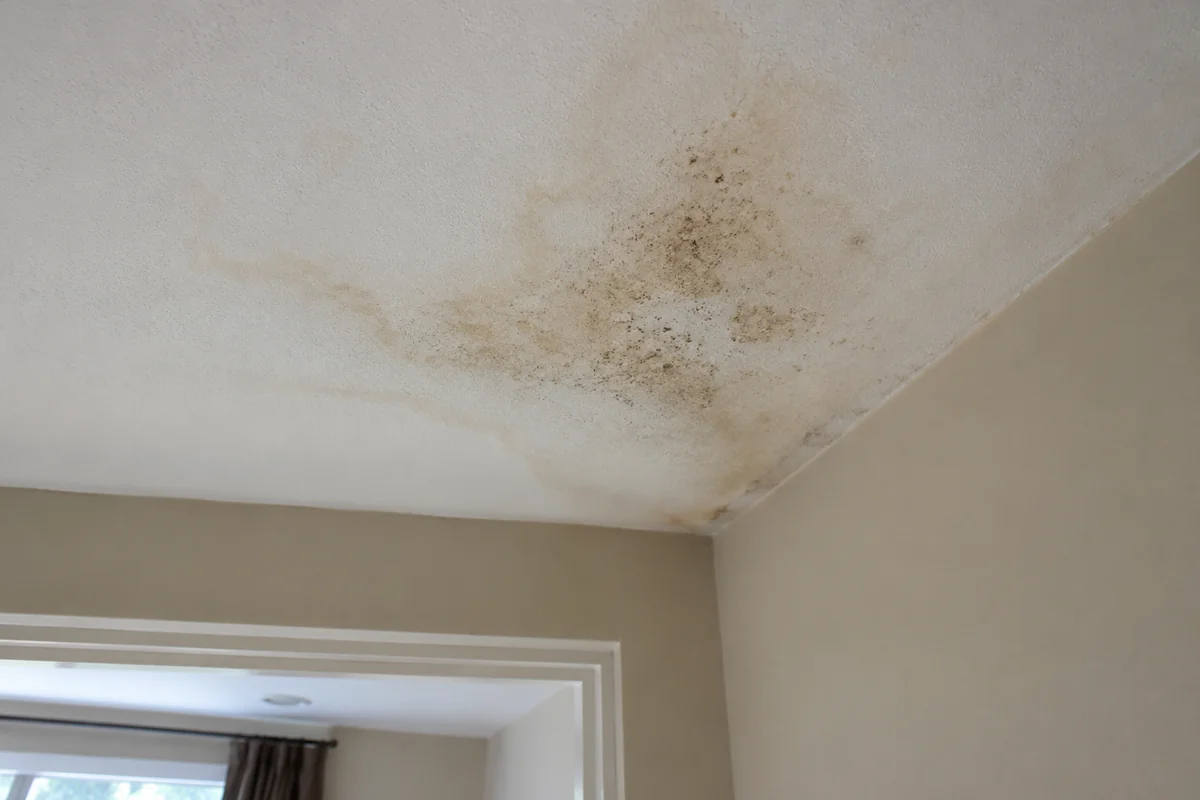
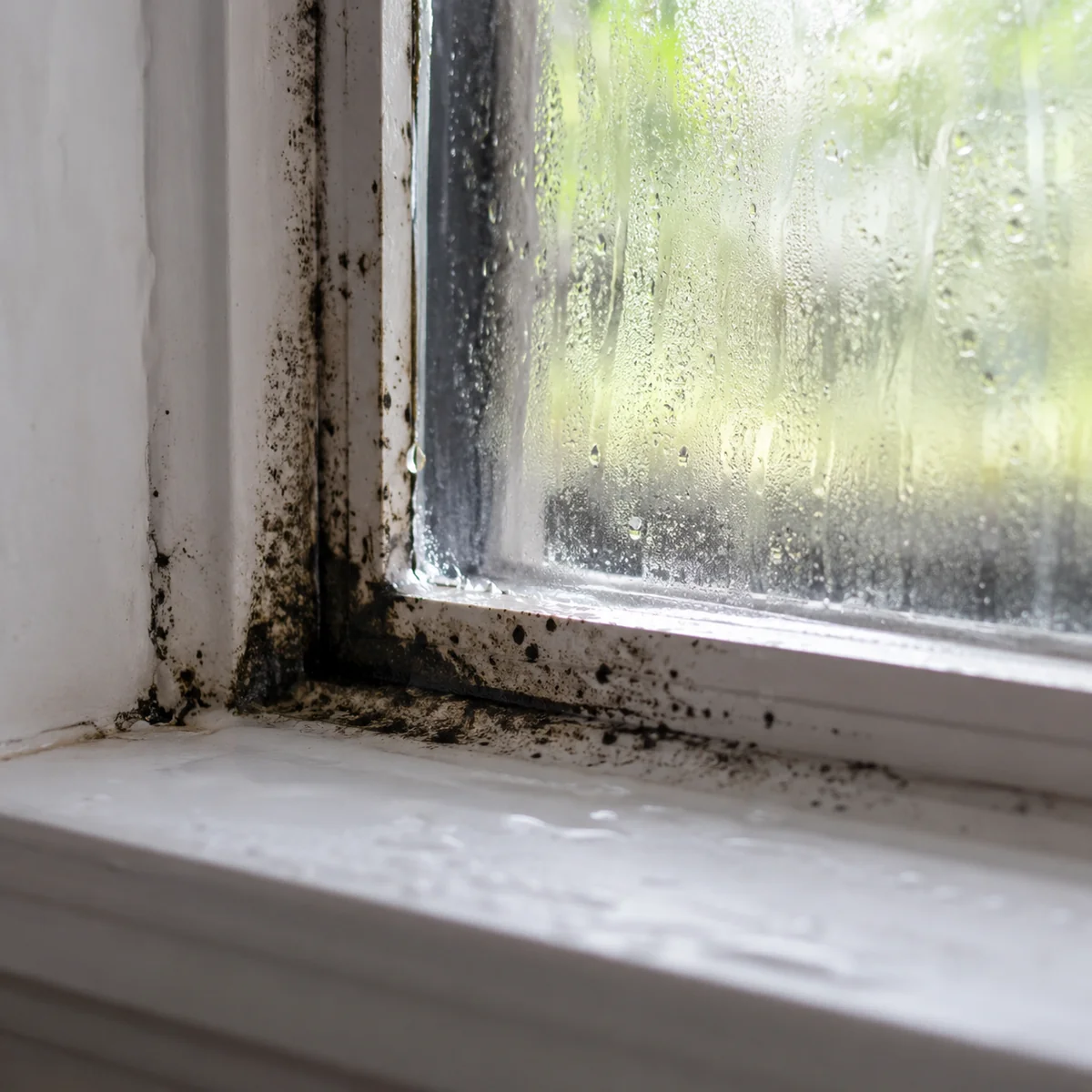
Put it in writing
A dated notice is the fastest way to get a stalled landlord moving. Know your rights and generate yours in minutes.
Handling a moisture problem in a rental can feel stressful, but a calm, well documented approach keeps you organized and in control. Start with a clear, dated message, keep every copy, and give a reasonable time for a response before escalating. When you report mold to your landlord in writing and hold onto the proof, you give yourself the strongest possible record to rely on.
Not sure if it is even mold?
A quick guided check tells you what you are looking at and what to do next.