Commercial
Property Manager Liability for Mold
A general overview of how mold liability can arise for property managers and how prompt action, records, and insurance help reduce that exposure.
Property manager liability for mold is a real concern, but it is also manageable with a duty to act reasonably rather than to promise a mold free building. In most states, the exposure comes not from the presence of mold itself but from how a report is handled. Understanding where liability generally arises, and how prompt, documented action protects you, is the foundation of a sound approach.
General guidance, not legal advice
This is general information, not legal advice. Liability rules and habitability standards differ by state and locality, and outcomes depend on the specific facts. Consult your attorney or counsel and your local housing and health authorities before relying on any statement here for a particular situation.
The general habitability duty
In many states, a landlord owes tenants an implied warranty of habitability, meaning the rental must be reasonably fit to live in. Excessive moisture and significant mold growth can bear on that duty because they may affect living conditions. This does not mean every trace of mold creates liability. It generally means the owner and manager are expected to respond reasonably when a genuine moisture or mold problem is reported. Sorting out cause often comes back to landlord vs tenant responsibility.
How negligence exposure arises
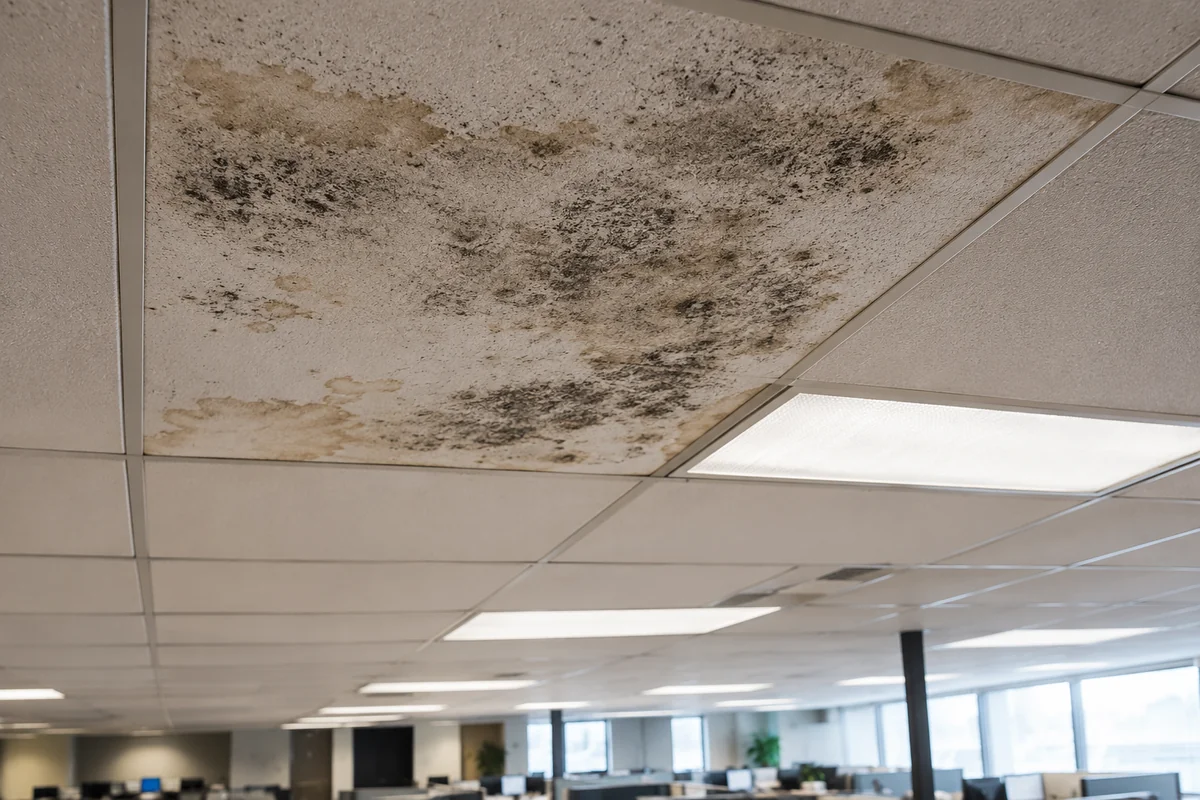
Liability typically turns on negligence, that is, whether the manager knew or should have known about a problem and failed to act reasonably. Exposure tends to grow when complaints are ignored, when leaks go unrepaired, or when there is no record of any response. It tends to shrink when a manager inspects promptly, addresses the moisture source, and documents each step. The health framing in guidance from the EPA and CDC is general, so focus your response on moisture control and prompt repair rather than health claims.
- Ignoring or delaying a response to a written mold complaint.
- Leaving a known leak or ventilation problem unaddressed over time.
- Failing to keep records of inspections, communications, and repairs.
- Making promises about health outcomes or a mold free result that cannot be met.
How prompt action and documentation serve as a defense
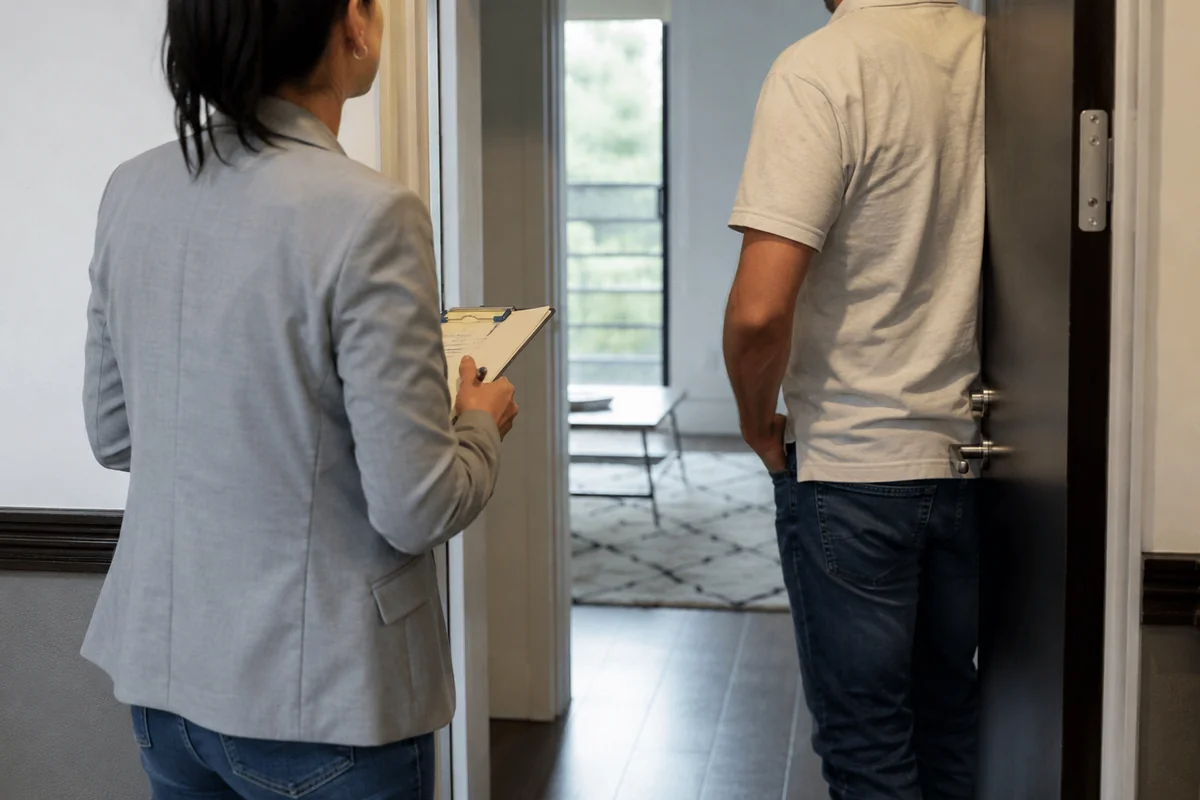
Your strongest protection is a clear record that you acted reasonably. When you acknowledge a complaint in writing, inspect within a reasonable time, engage a licensed remediation contractor when warranted, and keep dated photos and communications, you build a defensible file. Following a consistent process, such as the one in our guide on how to respond to a tenant mold complaint, and keeping a thorough file as described in how to document a mold issue in a rental, turns a potential dispute into a documented, reasonable response.
The role of insurance
Insurance can play an important part, but coverage for mold varies. Many property and liability policies contain mold exclusions or sublimits, and some claims hinge on whether the underlying cause, such as a sudden leak, is covered. Review your policies with your broker so you understand what applies before a claim arises, and report incidents to your carrier consistent with your policy terms. Keeping repair costs and scope documented, which our commercial mold cost estimator can help you frame, supports a smoother claim.
When to involve counsel
Bring in your attorney or counsel early when a tenant raises a habitability claim, threatens to withhold rent, references health effects, or signals a possible lawsuit. Counsel can advise on notice obligations, entry rules, and how to communicate without admitting fault or overpromising. It is generally wise to let legal professionals handle representation and legal strategy while you handle the operational response and the vendor coordination.
Reduce exposure across the portfolio
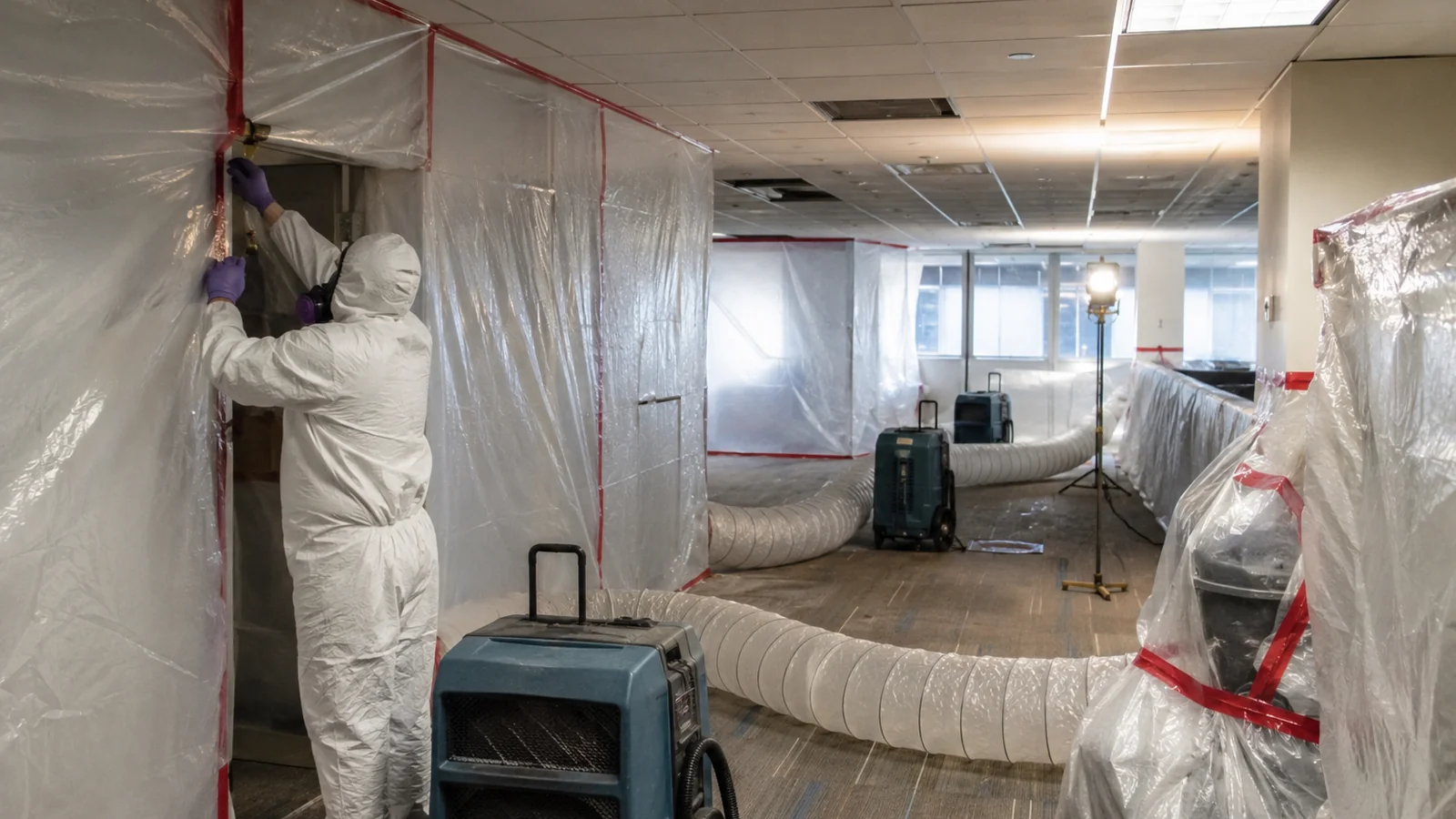
Consistency is what lowers risk over many units. Use the same intake, inspection, documentation, and vendor process everywhere, address moisture sources quickly, and consider preventive measures like ventilation checks and prompt leak repairs. When professional work is needed, the licensed pros in our network can scope and perform remediation, and you can find a licensed local pro or review commercial mold remediation to plan the work.
Frequently asked questions
Is a property manager liable for mold?+
Not automatically. In many states, liability generally arises from negligence, meaning a failure to respond reasonably to a known moisture or mold problem, rather than from the mere presence of mold. Prompt, documented action reduces that exposure. Confirm your specific duties with counsel.
How do I reduce liability for mold?+
Respond to complaints promptly and in writing, inspect within a reasonable time, address the moisture source, engage a licensed contractor when warranted, and document every step. Applying the same process consistently across your portfolio is one of the most effective ways to lower exposure.
What if a tenant sues over mold?+
Contact your attorney or counsel and your insurer promptly, and preserve all records related to the unit and the complaint. Do not make admissions or health promises. Your documented, reasonable response is generally your strongest position, and counsel handles the legal representation.
Does insurance cover mold?+
It varies. Many policies include mold exclusions or sublimits, and coverage often depends on the underlying cause. Review your specific policies with your broker before a claim arises, and report incidents according to your policy terms.
Commercial mold, in the field
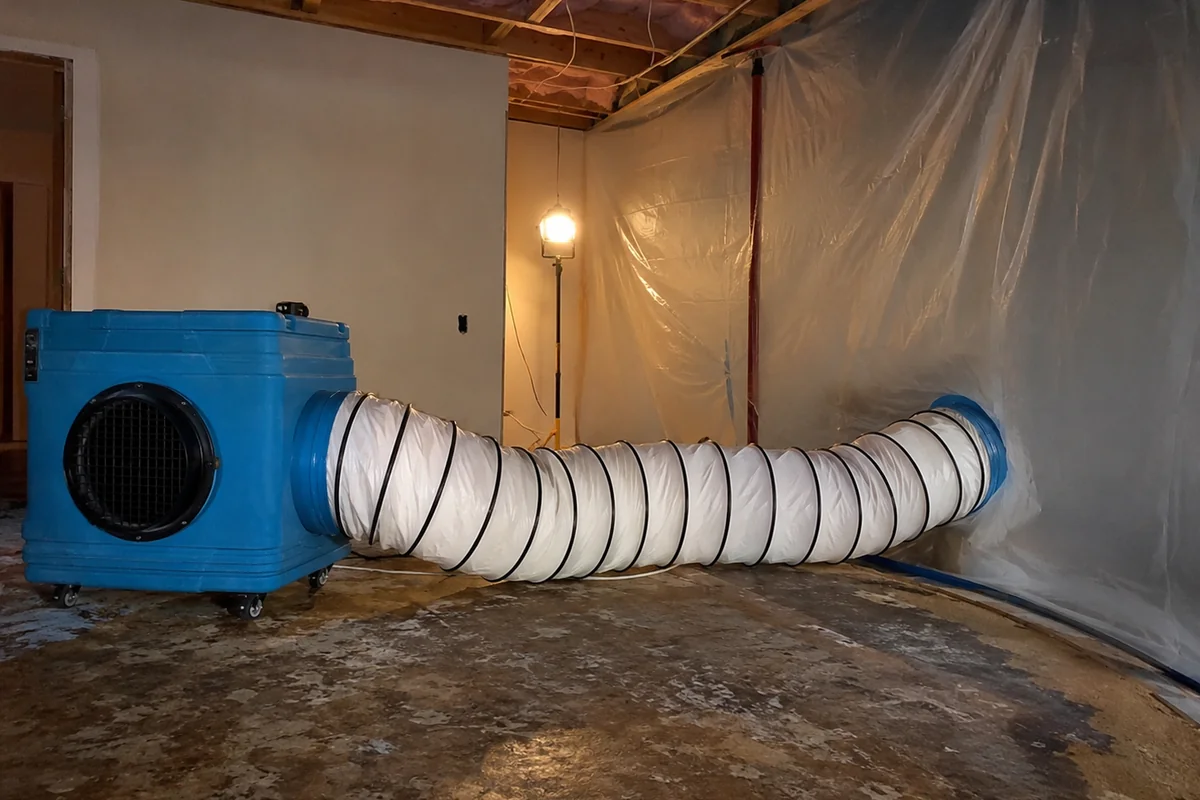

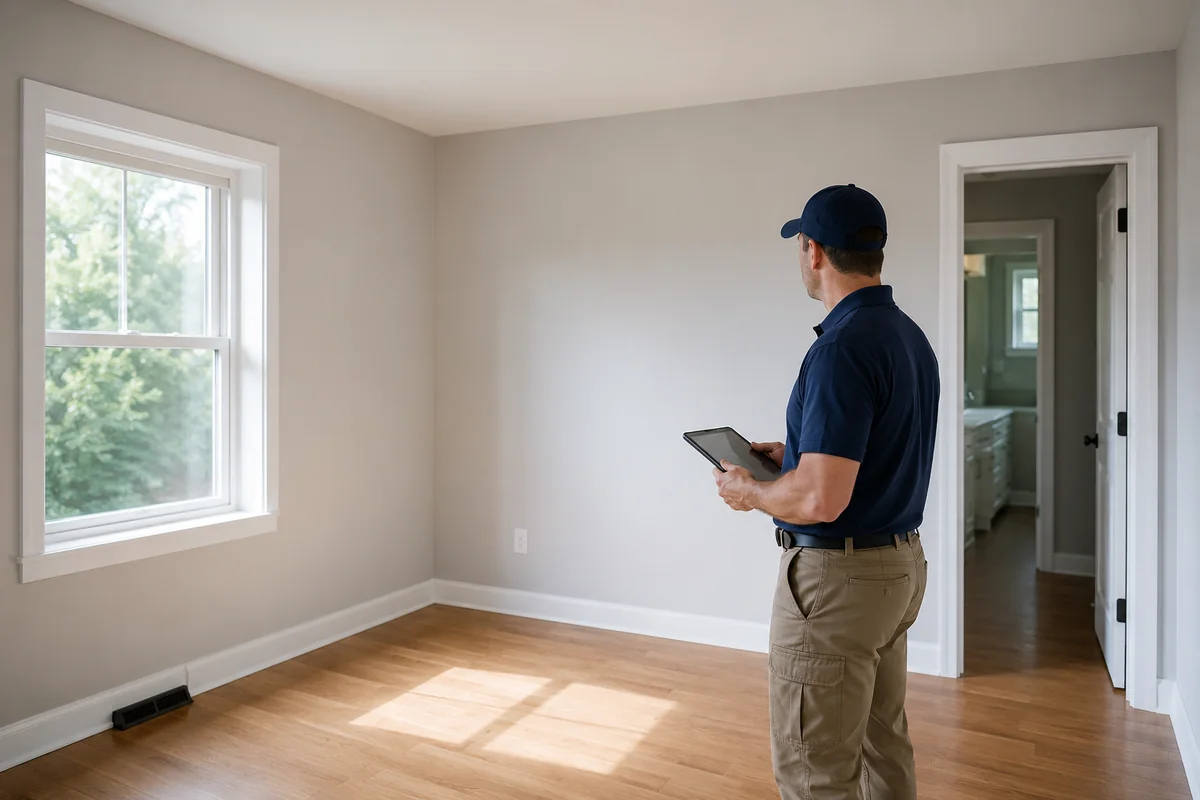
Mold in a building you manage?
Follow a documented response that protects you from the first complaint through clearance testing.
Mold exposure is best managed through a reasonable, documented response and good counsel rather than promises no one can keep, and applying that discipline consistently is the surest way to reduce property manager liability for mold.
A tenant reported mold?
Follow a documented response that protects you, step by step.