Commercial
Handling Mold at Tenant Turnover
How to inspect, assign cause fairly, handle the deposit, and remediate before re-renting when mold turns up at move-out.
Finding mold at tenant turnover raises a set of questions managers should handle carefully: what caused it, who bears the cost, whether it affects the deposit, and what must be done before re-renting. Getting these right protects the owner, treats the departing tenant fairly, and keeps the next tenancy on solid footing. This guide walks through the move-out inspection and the decisions that follow.
General guidance, not legal advice
This article is general information, not legal advice. Deposit rules, disclosure duties, and habitability standards vary by state and locality. Confirm your specific obligations with your attorney or counsel and your local housing authority before making deposit or disclosure decisions.
Conduct a thorough move-out inspection
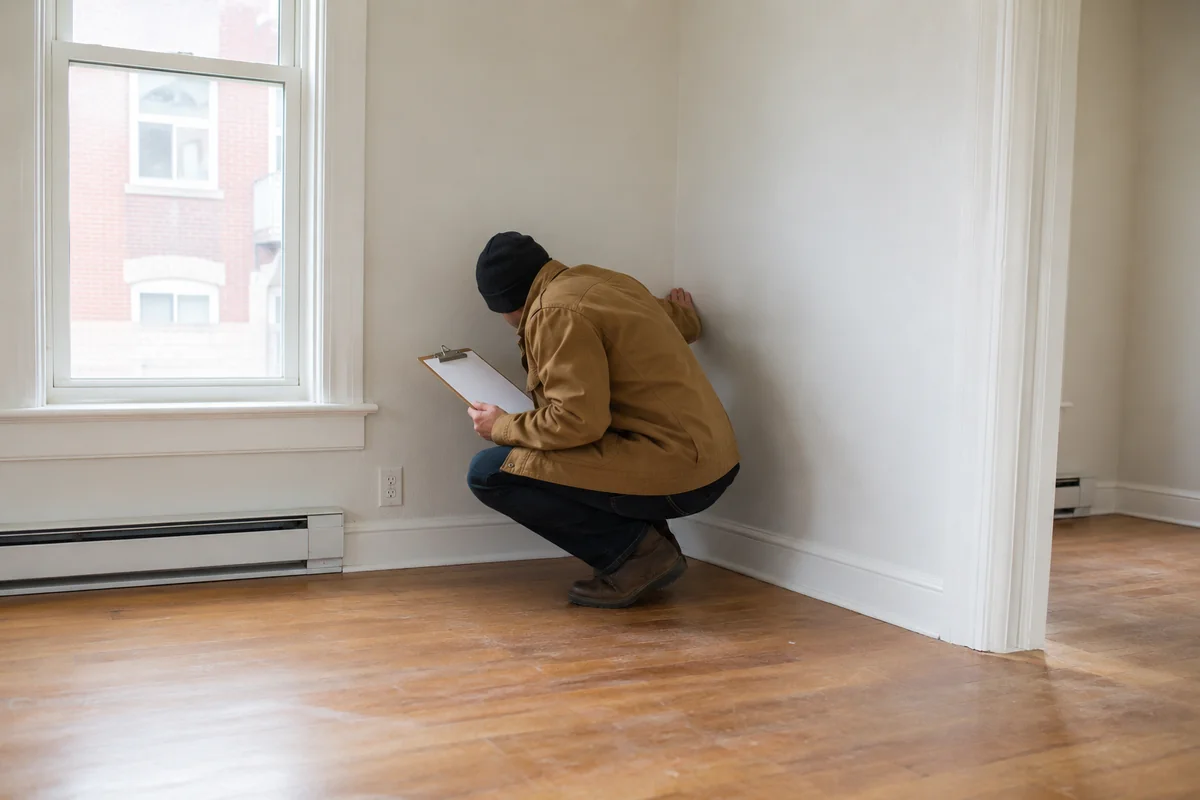
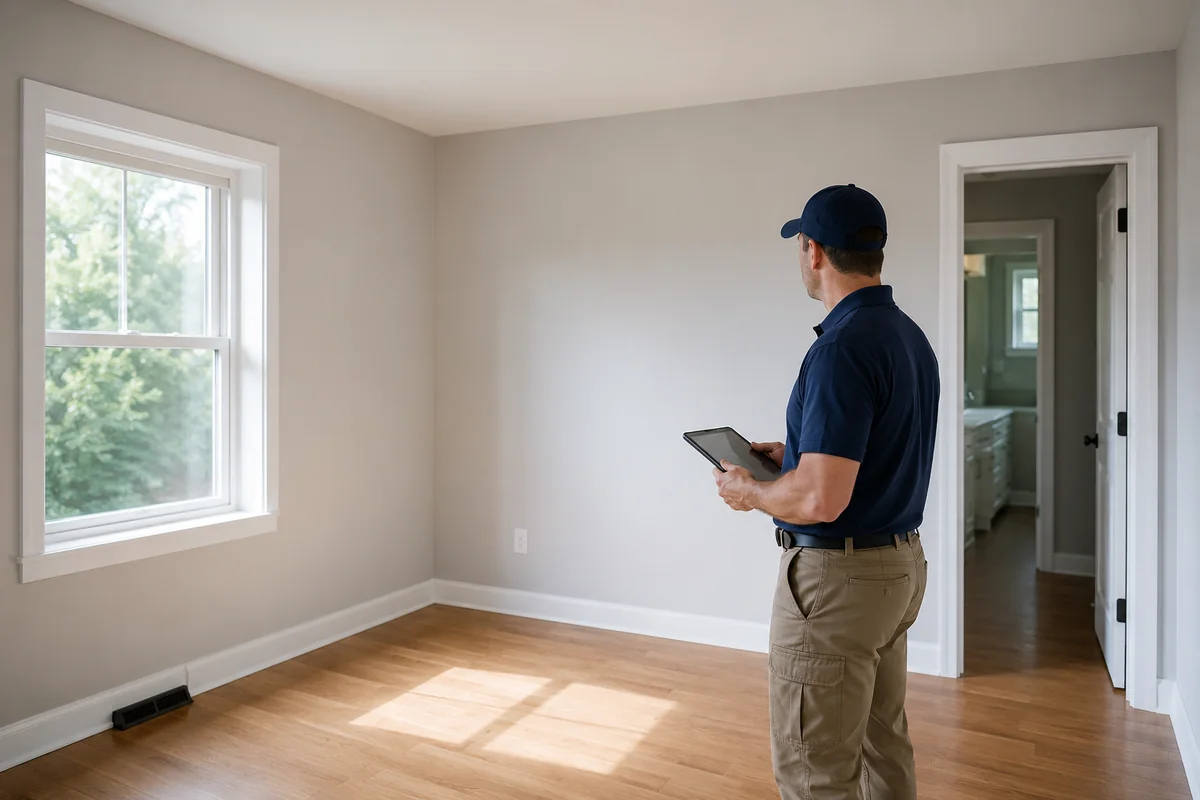
The move-out inspection is where mold at tenant turnover is usually discovered, so make it thorough and documented. Check bathrooms, around windows, under sinks, behind appliances, and any area with past moisture complaints. Take dated photos and write notes on what you find, following the same practice as our guide on how to document a mold issue in a rental. A careful inspection creates the record you will need for any deposit or remediation decision.
Distinguish tenant-caused from building-caused mold
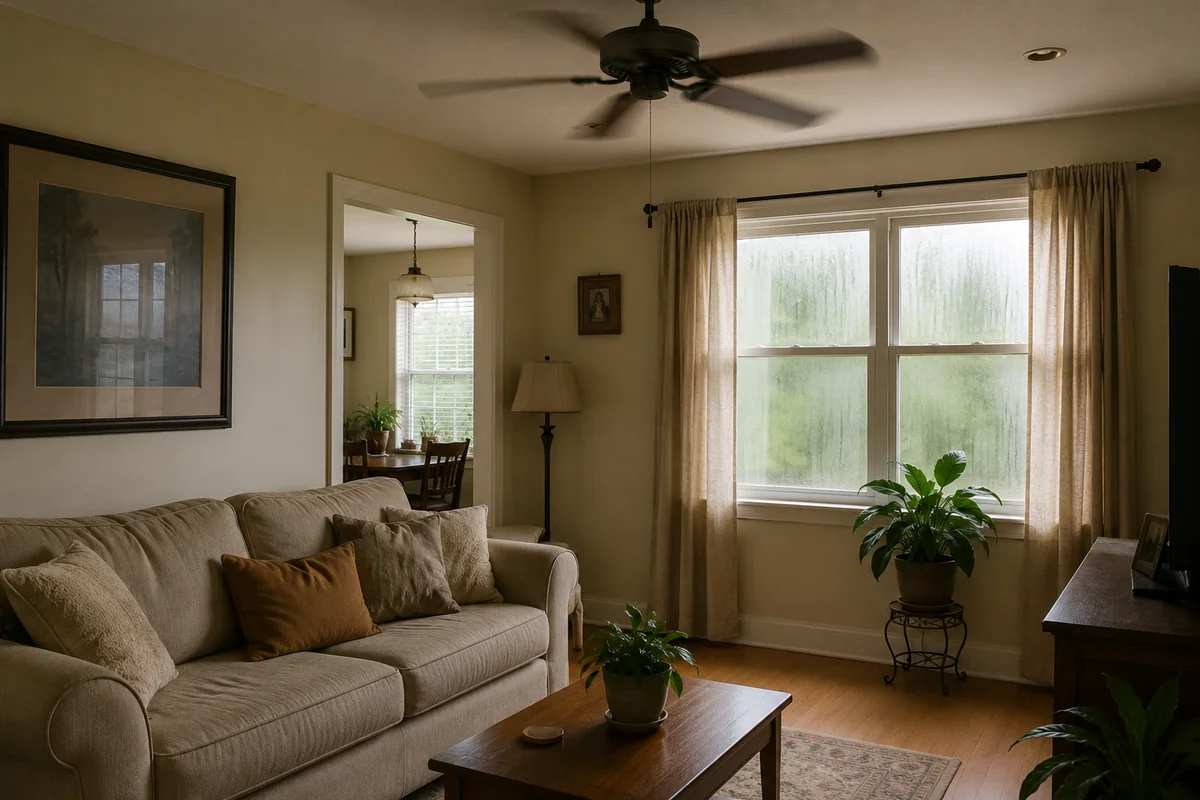
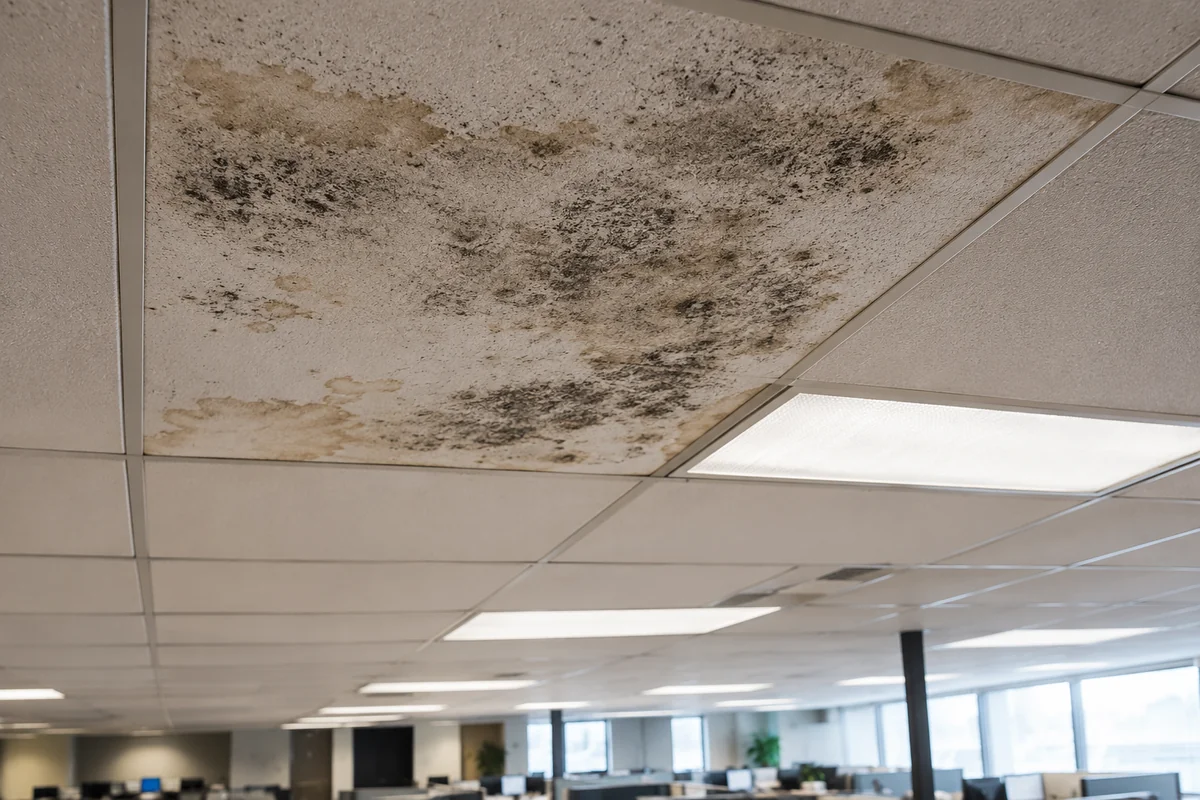
The central question is what caused the growth. Building caused mold generally stems from leaks, roof or plumbing failures, or inadequate ventilation, which are the owner's responsibility. Tenant caused mold may follow from clear neglect, such as failing to report a known leak or blocking ventilation over a long period. The line is not always obvious, and the analysis should be honest rather than slanted toward charging the tenant. Our overview of landlord vs tenant responsibility covers how cause is generally assessed.
Understand the deposit implications
Deposit rules follow cause. Generally, you cannot charge a departing tenant for building caused mold, since that is normal owner responsibility and not tenant damage. Deductions are typically only defensible for damage clearly attributable to a tenant's neglect or misuse, and even then the rules on what and how much you can deduct vary by state. Document your reasoning, itemize any deduction, and confirm the approach with counsel. When in doubt, err toward fairness, because an unsupported mold deduction can invite a dispute.
- Building caused mold from leaks or ventilation issues is generally the owner's cost, not a deposit deduction.
- Tenant caused damage from clear, documented neglect may support a deduction, subject to state limits.
- Any deduction should be itemized, supported by photos and notes, and confirmed against your state's deposit rules.
- When cause is unclear, treating it as building related is generally the safer and fairer choice.
Remediate before re-renting
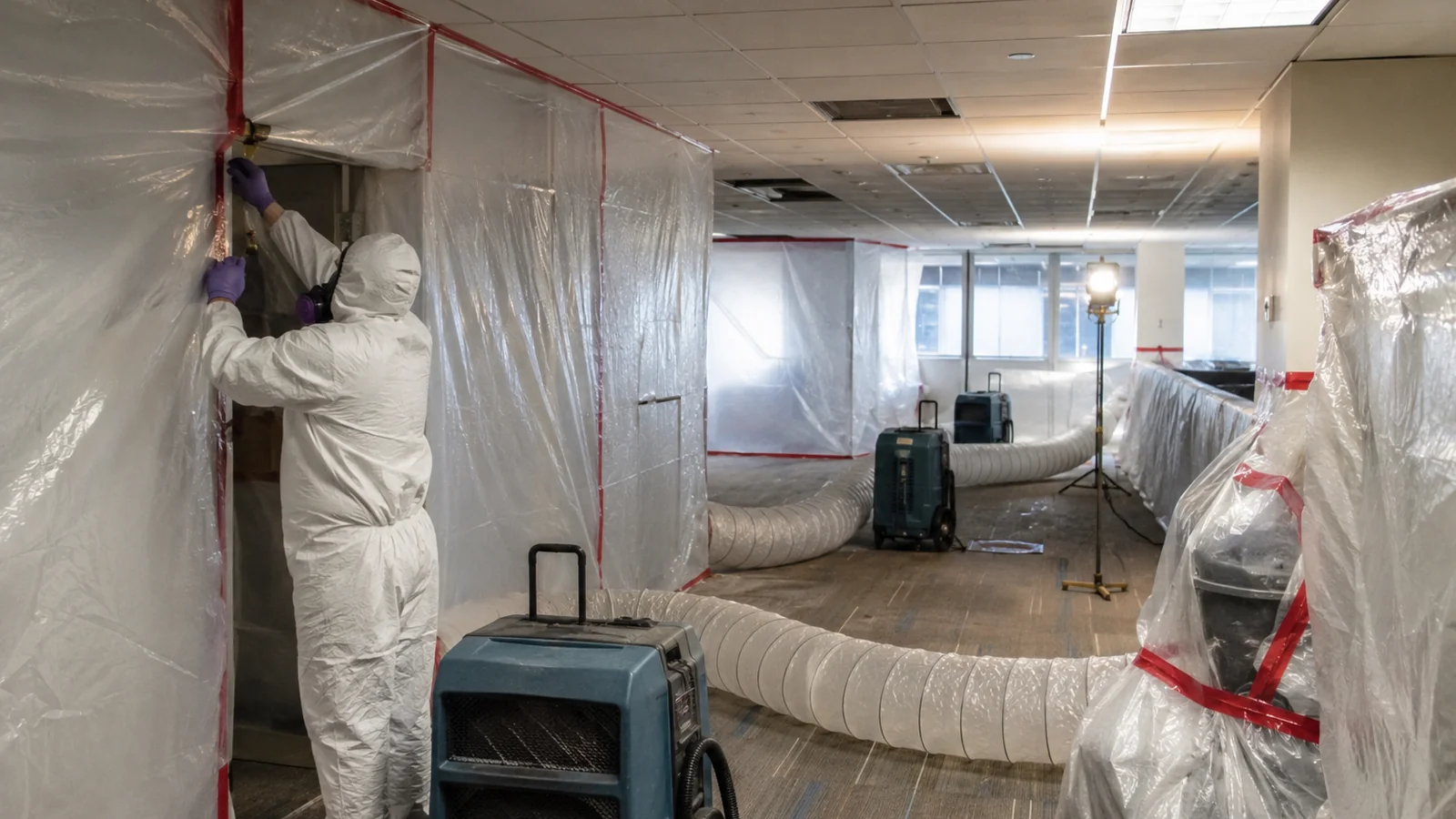
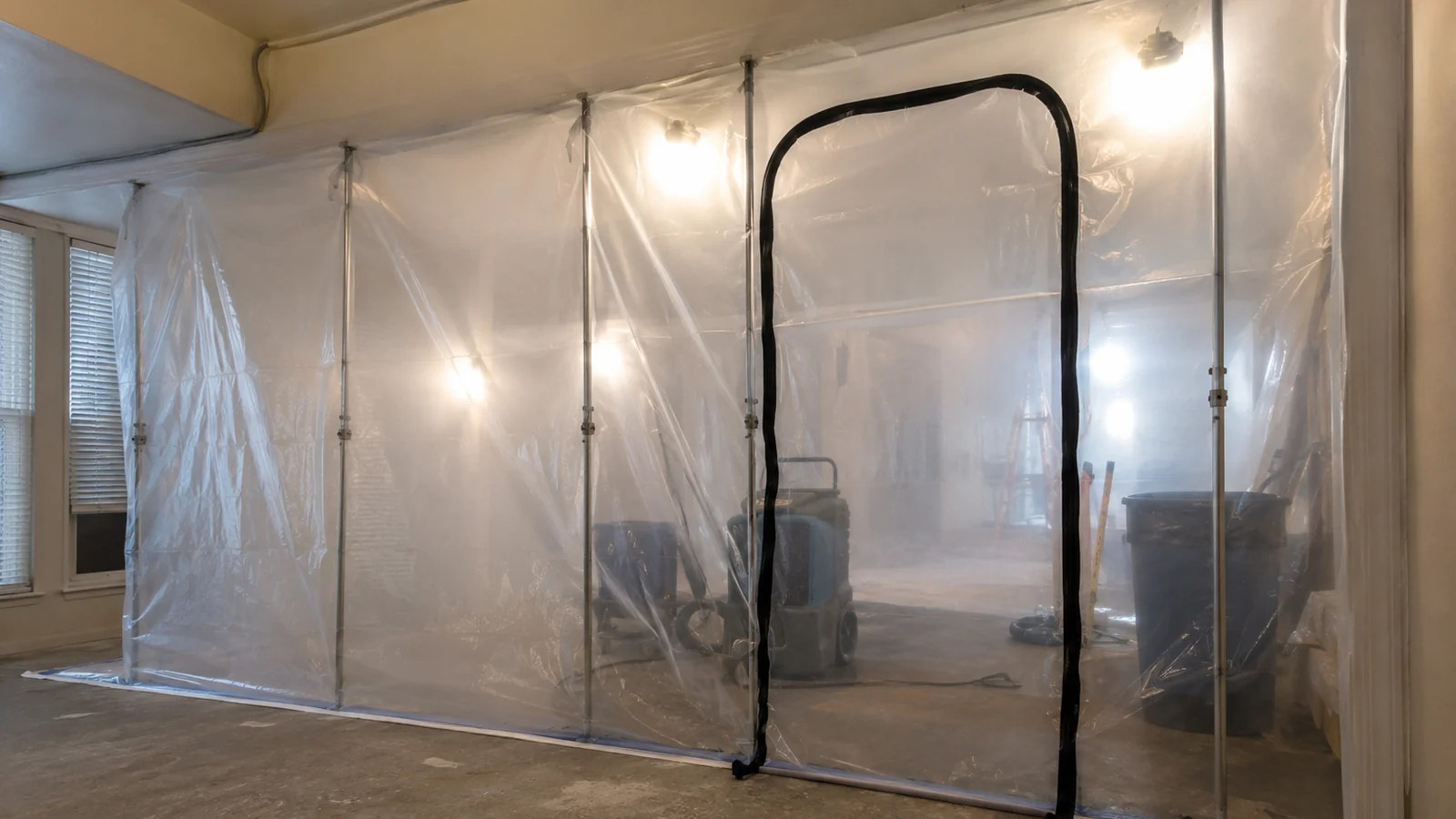
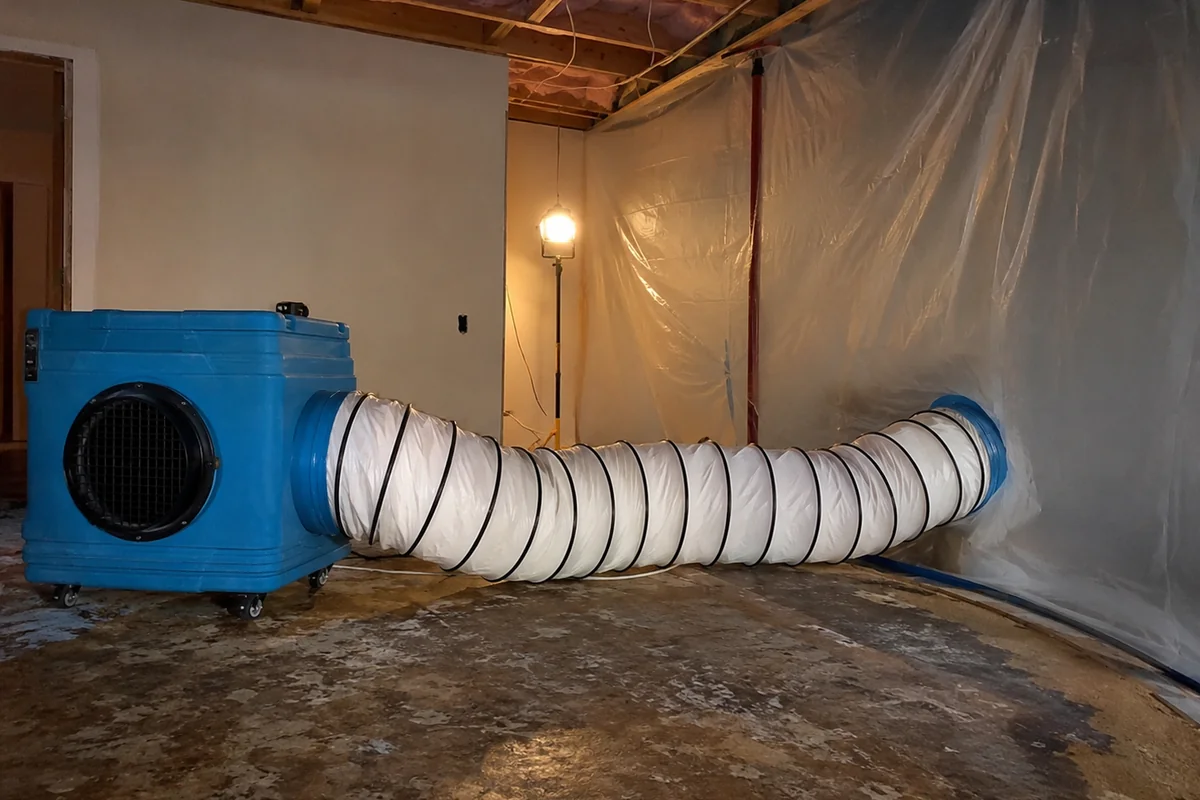
Address any mold before a new tenant moves in. Minor surface growth on a hard surface may be handled through routine cleaning, while larger or recurring growth, or growth tied to a hidden moisture source, generally warrants a licensed remediation contractor. Fixing the underlying moisture source is essential, or the problem will return. You can find a licensed local pro to scope and perform the work, and our commercial mold remediation overview and commercial mold cost estimator help you plan the timeline and budget between tenancies.
Consider disclosure to the next tenant
Some states require disclosure of known past mold or moisture problems to prospective tenants, and even where it is not strictly required, honest disclosure of a resolved issue can build trust and reduce future disputes. Keep the clearance or completion records from the remediation on file so you can show the issue was properly addressed. Confirm your state's specific disclosure duties with your attorney or counsel before advertising or signing a new lease.
Keep the turnover documented
Tie it all together with records: the move-out inspection notes and photos, your cause analysis, any deposit itemization, the vendor scope and clearance, and any disclosure you made to the incoming tenant. A complete turnover file shows the deposit was handled fairly and the unit was made ready responsibly, which protects the owner and supports you if the departing tenant or a new one raises a question later.
Frequently asked questions
Can I charge a tenant for mold at move-out?+
Generally only when the mold clearly resulted from documented tenant neglect, and even then subject to your state's deposit rules. You typically cannot charge a tenant for building caused mold from leaks or ventilation issues. Document your reasoning and confirm with counsel.
Do I disclose past mold to a new tenant?+
Some states require disclosure of known past mold or moisture problems, and honest disclosure can build trust even where it is not required. Keep the remediation clearance records on file, and confirm your specific disclosure duties with your attorney or counsel.
Should I remediate mold before re-renting?+
Yes. Address any mold and fix the underlying moisture source before a new tenant moves in. Minor surface growth may be cleaned as routine maintenance, while larger or recurring growth generally warrants a licensed remediation contractor.
How does mold affect the security deposit?+
It depends on cause. Building caused mold is generally the owner's responsibility and not a valid deduction, while clearly documented tenant caused damage may support one within state limits. Itemize any deduction and keep supporting records.
Commercial mold, in the field

Mold in a building you manage?
Follow a documented response that protects you from the first complaint through clearance testing.
A fair cause analysis, careful documentation, and proper remediation before the next lease are what keep a turnover clean, which is exactly how a diligent manager handles mold at tenant turnover.
A tenant reported mold?
Follow a documented response that protects you, step by step.