
Residential
Does Insurance Cover Mold in Your Home
Whether a homeowners policy pays for mold usually comes down to what caused the water, and the details vary widely from policy to policy.
Does insurance cover mold is one of the first questions homeowners ask once they spot growth, and the honest answer is that it depends heavily on the cause. Most standard homeowners policies look at what caused the water in the first place. Mold that follows a sudden, accidental event may be treated very differently from mold that grew slowly over months. Before anything else, know that what follows is general information, not legal or financial advice, and your own policy is the document that governs your situation.
This is general information only
Coverage language varies by insurer, state, and policy. Nothing here is legal or financial advice. Read your own policy declarations and exclusions, and talk to your insurer or a licensed professional about your specific claim.
The general rule: sudden and accidental versus gradual
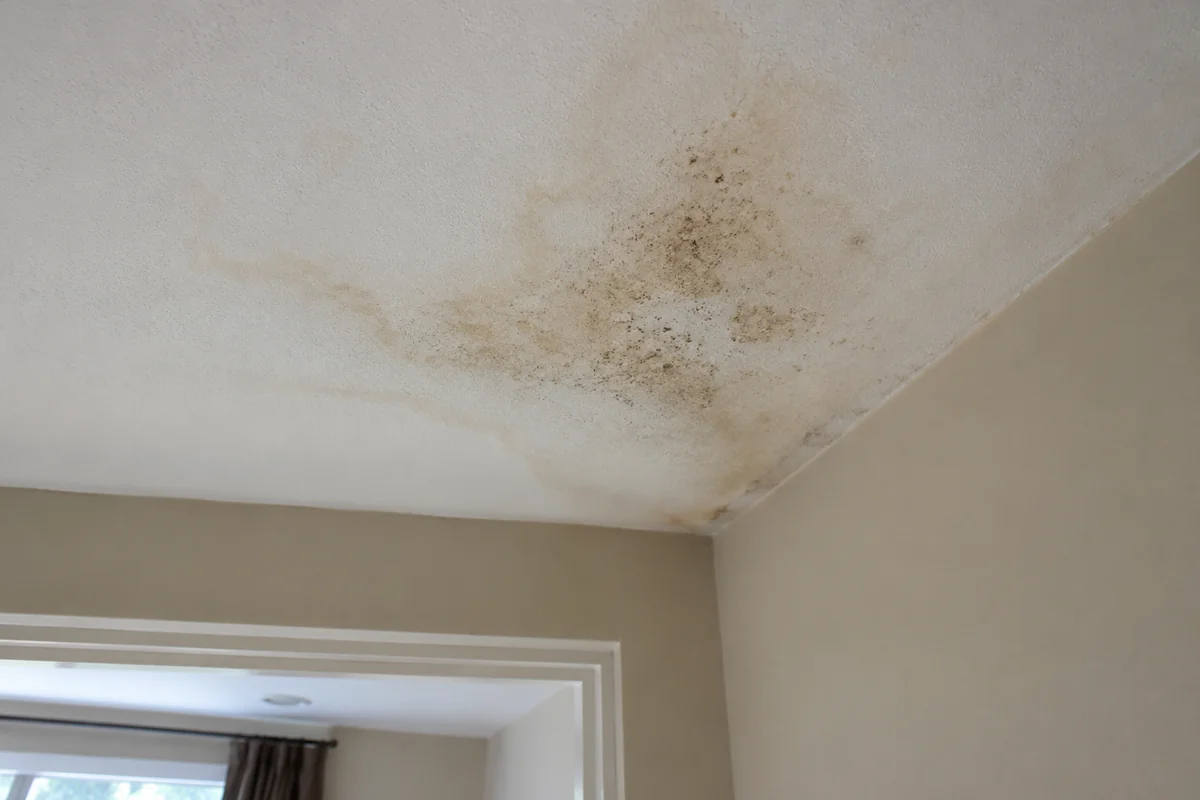
The pattern many policies follow is that sudden and accidental water damage may be covered, while gradual damage and neglect usually are not. A pipe that bursts overnight and soaks a ceiling is the classic sudden event. If mold grows as a direct result of that covered water damage, cleanup of that mold may be included, sometimes up to a limit. On the other hand, a drip under a sink that went unnoticed for a year, or a roof leak you knew about and did not fix, tends to fall under exclusions for gradual damage, wear and tear, or lack of maintenance.
This is why insurers focus so much on the source and the timeline. The same visible patch of mold can be handled one way if it came from a burst pipe and another way entirely if it came from long-term seepage. The cause, more than the mold itself, often decides the outcome.
Mold sublimits and why they matter
Even when mold is covered, many policies cap what they will pay for mold specifically. This cap is called a mold sublimit, and it sits inside your overall coverage. A policy might cover a large water loss generously but limit mold-related costs to a much smaller figure. That means you can have a covered claim and still face a gap if the mold cleanup runs past the sublimit. Knowing your sublimit before you need it is one of the most useful things you can check on your declarations page.
Endorsements and riders: buying more coverage
If your base policy offers little or no mold coverage, some insurers sell optional add-ons. These are often called endorsements or riders. They can raise a mold sublimit or add coverage that the standard policy excludes. Whether one is available, and whether it is worth the added premium, depends on your home, your risk, and your insurer. This is a good question to raise with your agent, especially if you live somewhere humid or have had water issues before.
Why the water source is the deciding factor
Because coverage tracks the cause, identifying the source correctly is important both for your claim and for actually solving the problem. Mold that appears after a clear one-time event, like an overflowing appliance or a burst supply line, has a documented origin. Mold that shows up with no obvious trigger may point to a hidden or gradual leak, which changes both the coverage picture and the repair. If your mold followed a flooding or leak event, understanding what typically happens next helps, and mold after water damage walks through the sequence.
How to document a mold claim
Good documentation gives you the strongest footing, whatever the outcome. Insurers respond to clear evidence of what happened and when. Build your record as early as you can, before cleanup changes the scene.
- 1 Photograph and video the damage from wide and close angles before you touch anything, including the water source if you can find it.
- 2 Note the date and, if known, the time the event happened, plus when you first noticed the water or mold.
- 3 Save receipts and records for any emergency steps you take, like water extraction or drying.
- 4 Keep the damaged materials or samples if it is safe to do so, or at least photograph them before removal.
- 5 Report the claim to your insurer promptly and follow their instructions on inspection and mitigation.
- 6 Keep a written log of every call, name, and instruction from your insurer.
An independent assessment can strengthen your file and clarify the cause. You can find a licensed local pro to inspect the moisture source and document the extent of the mold, which is often useful evidence when a claim is complicated. If you are unsure who handles what, who to call about mold breaks down the roles.
When to bring in a professional assessment
Involve a pro early when the source is unclear, when the affected area is large, or when your insurer disputes the cause. A qualified assessor can trace hidden moisture, distinguish a sudden event from gradual seepage, and put the findings in writing. That written finding can matter, because a claim often turns on cause and timeline rather than on the mold itself. A pro assesses and documents. Your insurer decides coverage.
Frequently asked questions
Is mold covered by homeowners insurance?+
Sometimes, and it usually depends on the cause of the water. Mold that results from a sudden, accidental covered event, like a burst pipe, may be covered, often up to a sublimit. Mold from gradual leaks, humidity, or deferred maintenance is commonly excluded. Your own policy is what decides, so read it and ask your insurer. This is general information, not advice.
What is a mold sublimit?+
A mold sublimit is a cap on how much a policy will pay for mold-related costs, even when mold is otherwise covered. It sits inside your broader coverage, so a large water claim might be paid generously while mold cleanup is limited to a smaller amount. Check your declarations page or ask your insurer for your specific sublimit.
How do I file a mold claim?+
Document the damage with photos and dates, identify the water source if you can, report it to your insurer promptly, and follow their inspection and mitigation instructions. Keep receipts for emergency work and a log of every conversation. An independent assessment can help establish the cause. Your insurer sets the exact process, so follow their guidance.
Why was my mold claim denied?+
Common reasons include the water being traced to a gradual leak, wear and tear, or lack of maintenance rather than a sudden event, or the mold exceeding a sublimit. Denials can also involve delayed reporting. Read the denial letter for the specific reason cited, and discuss options with your insurer or a professional. This is general information only.
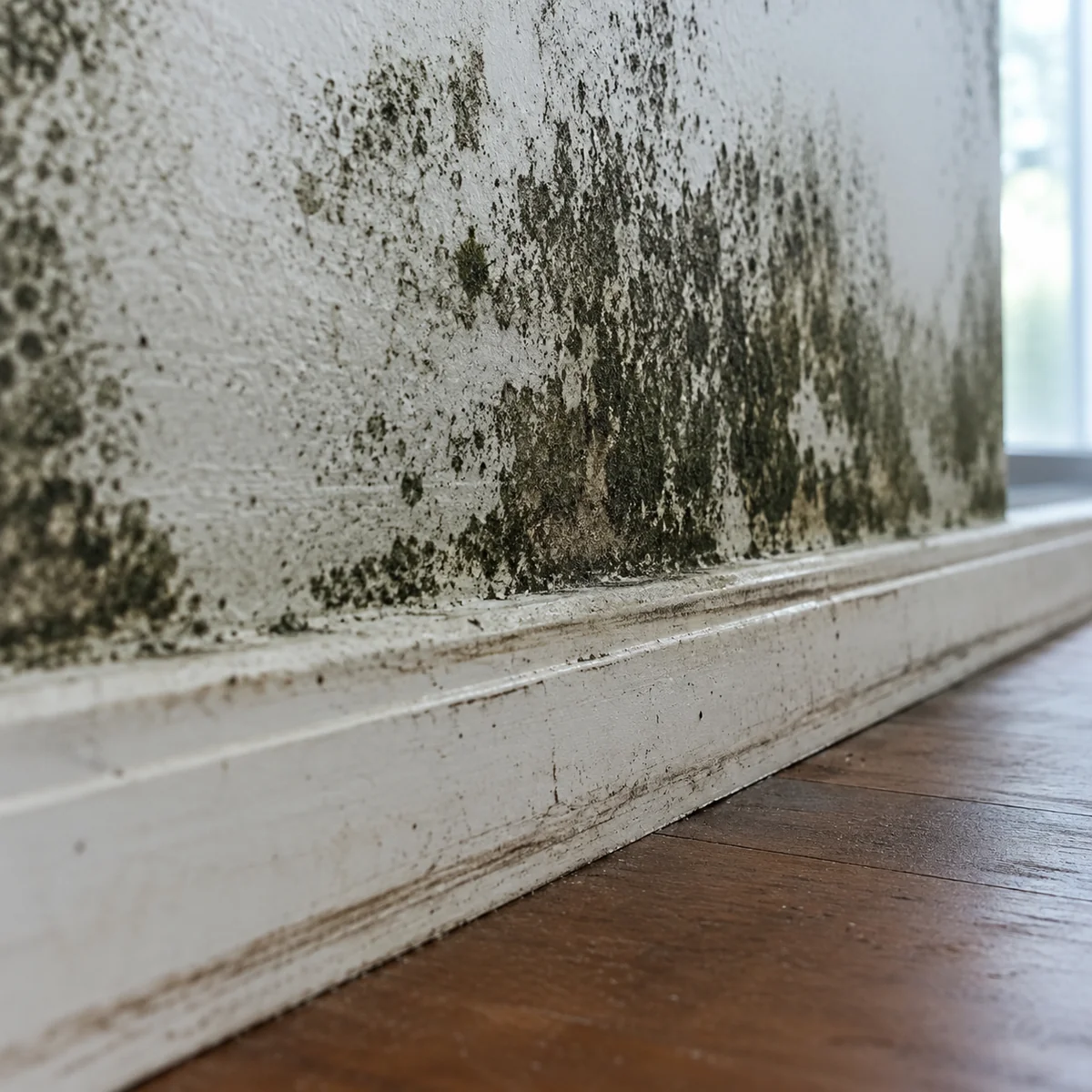
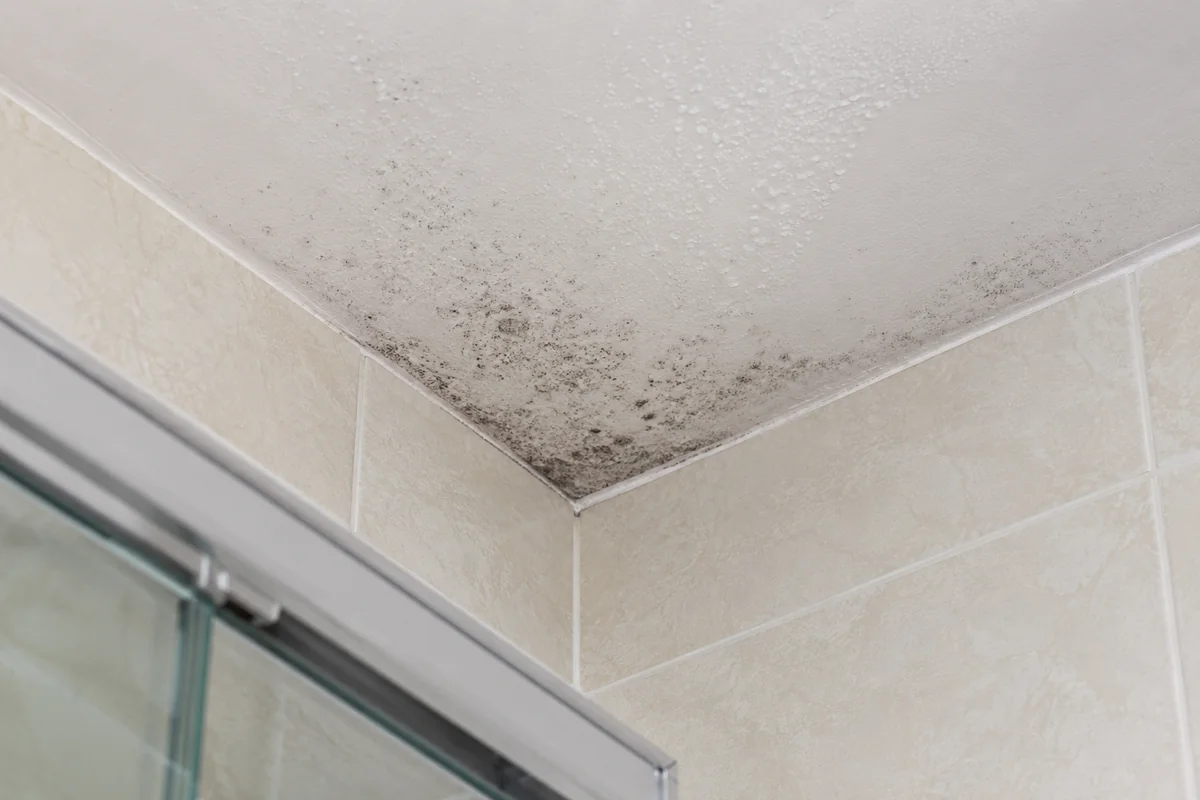
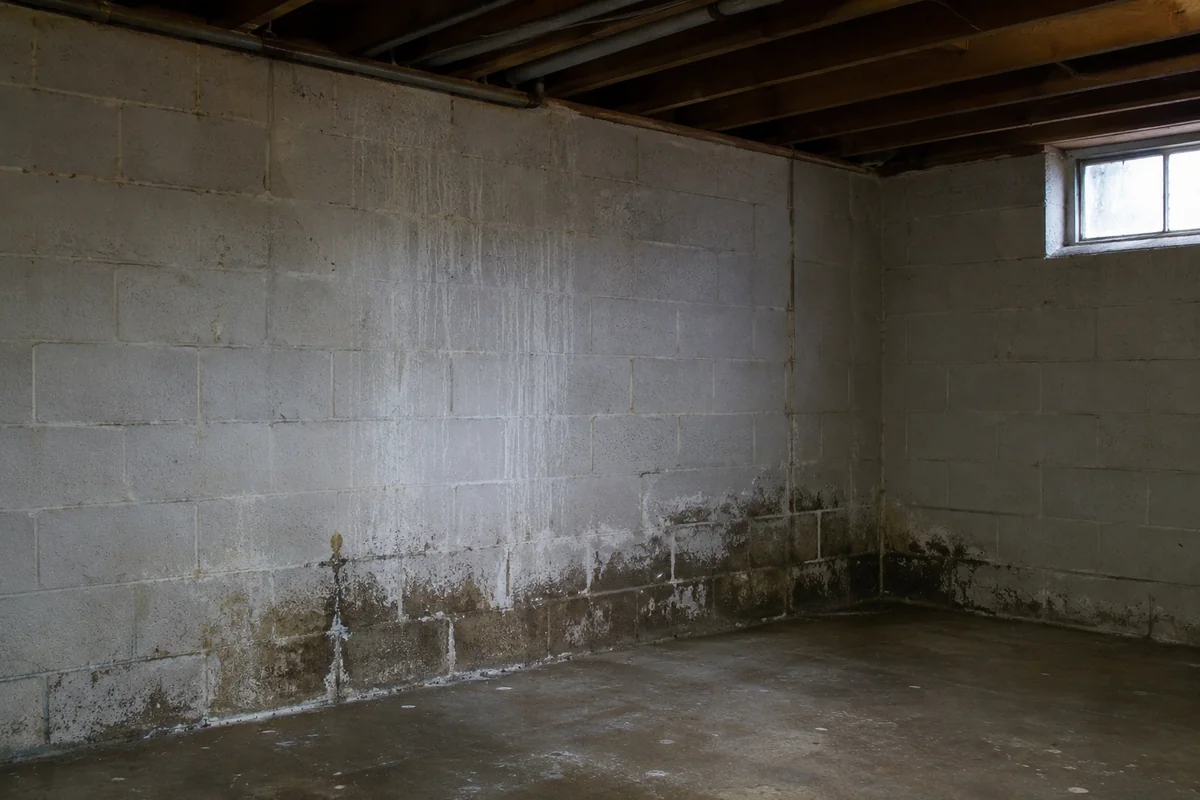
What mold looks like
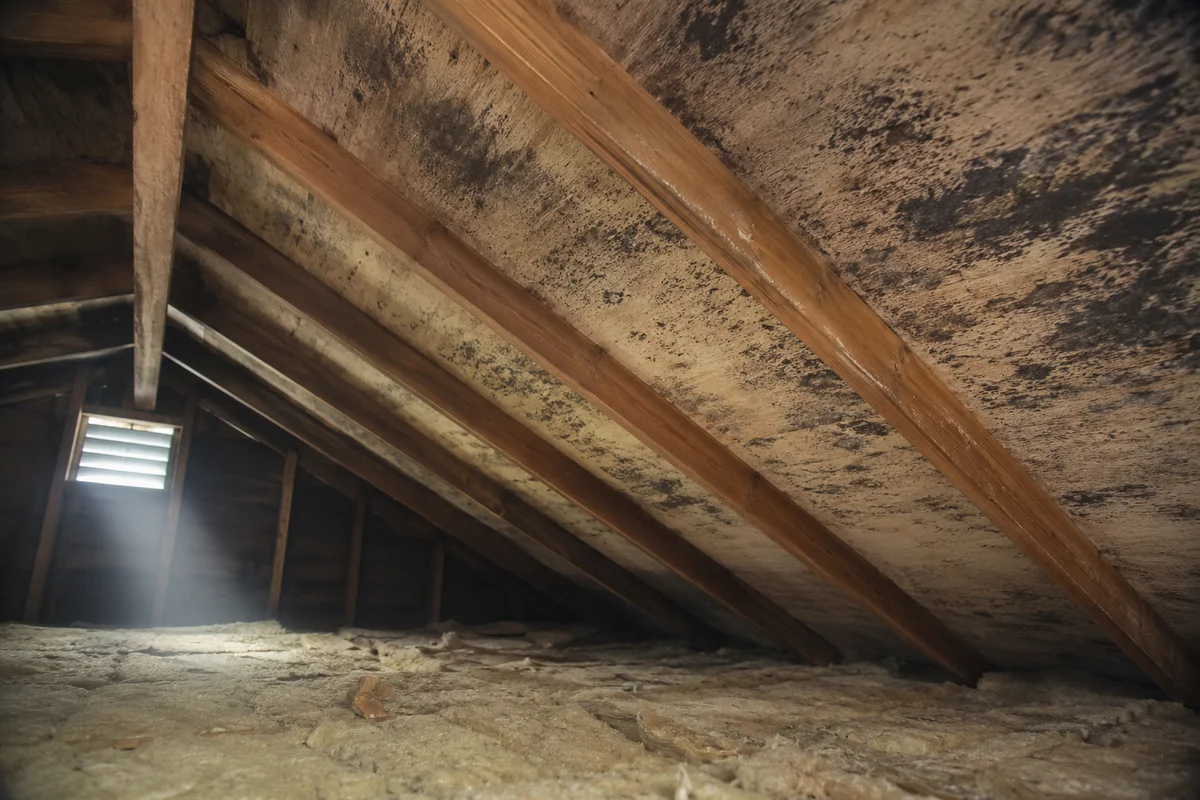
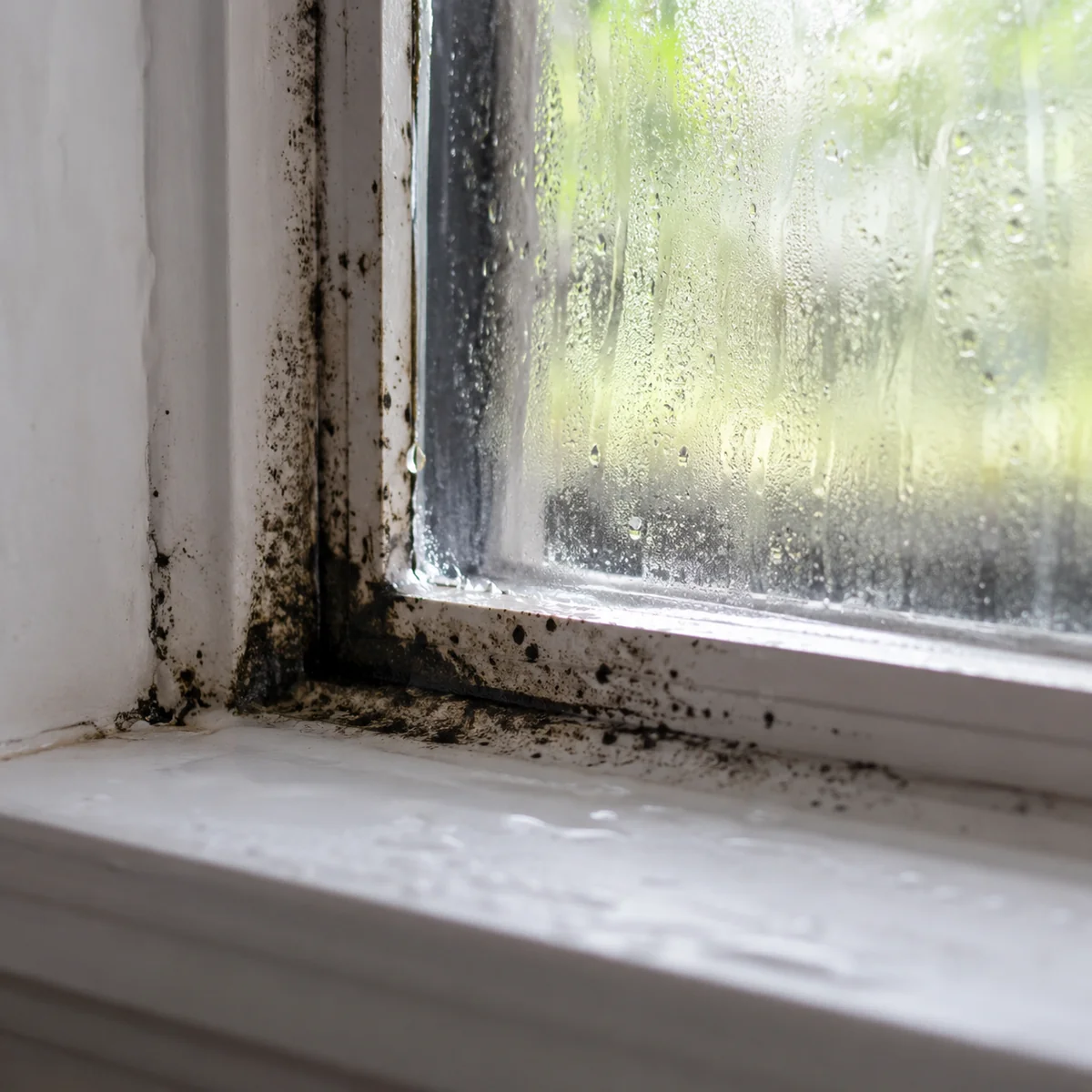
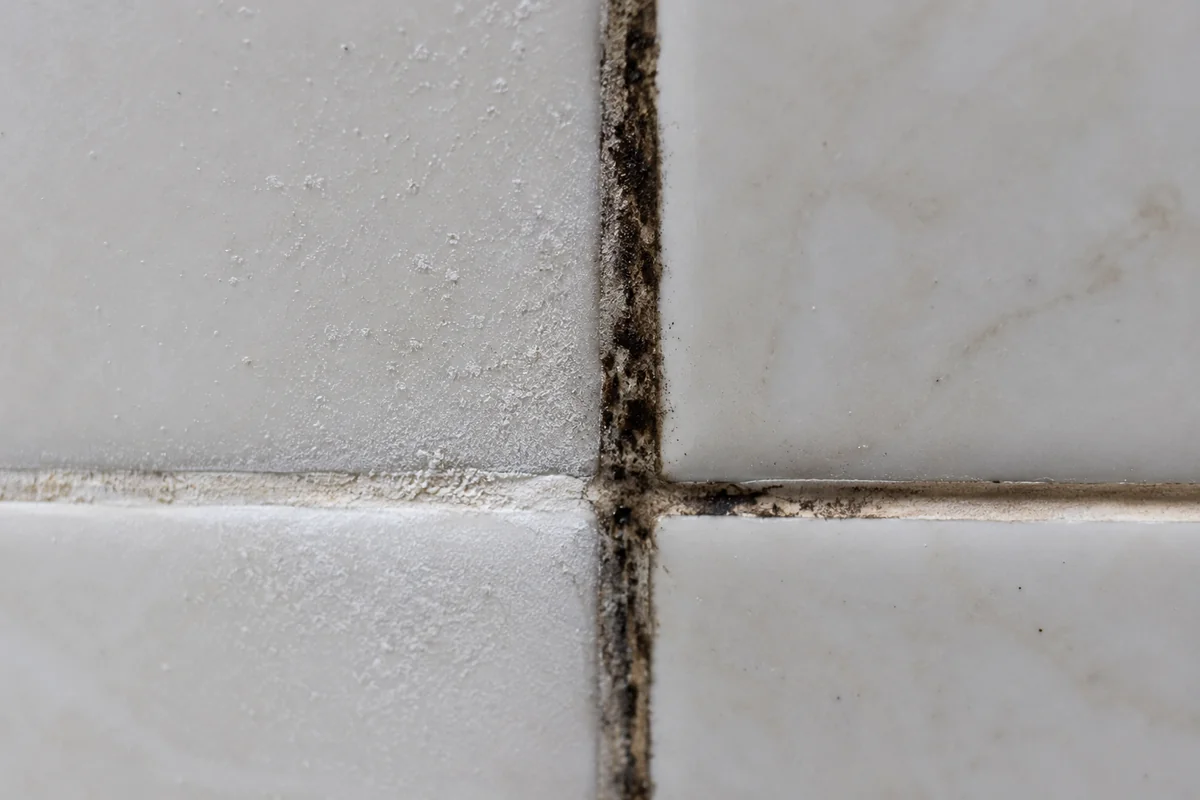
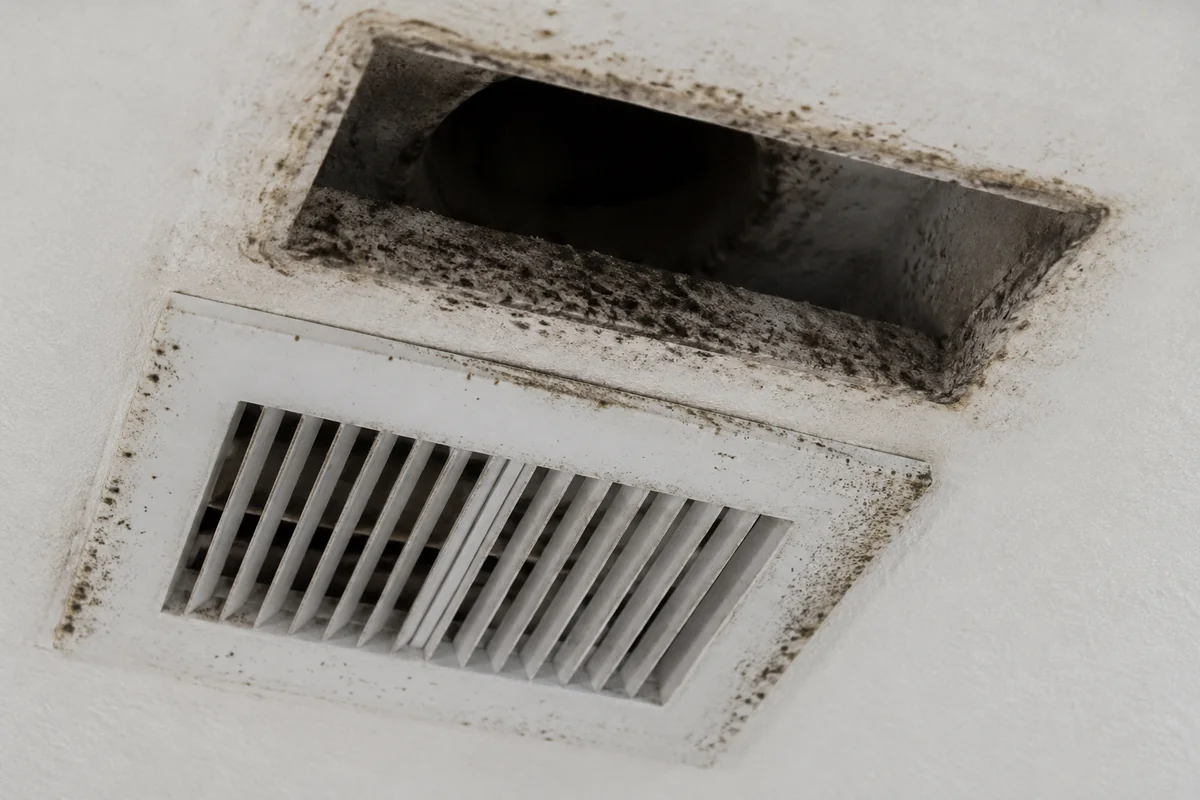
Not sure what you are dealing with?
A quick guided check tells you what you are looking at and the right next step.
The most useful thing you can do is know your policy before you ever need it, because the source of the water and the fine print, not the mold on the wall, usually drive the result. Photograph everything, act on the moisture quickly, and get an independent assessment when the cause is in question. Just remember this page is general information rather than legal or financial advice, and your own insurer and policy are the real answer to whether does insurance cover mold in your case.
Not sure if it is even mold?
A quick guided check tells you what you are looking at and what to do next.