Residential
How to Get Rid of Mold: A Homeowner's Step-by-Step Guide
A calm, practical walkthrough for cleaning small mold problems yourself and knowing the point where a licensed pro should take over.
Knowing how to get rid of mold starts with a simple truth: mold is a symptom, not the disease. It grows because a surface stayed wet, so scrubbing it away without fixing the water will only buy you a few weeks before it returns. This guide walks you through confirming what you have, drying the source, cleaning small patches safely, and recognizing the point where a job is bigger than a bucket and a sponge.
Fix the water first, every time
There is no cleaning product that keeps mold gone if the surface stays damp. Before you clean anything, find and stop the leak, condensation, or humidity feeding the growth. Skip this step and the mold comes right back.
Step 1: Confirm it is actually mold
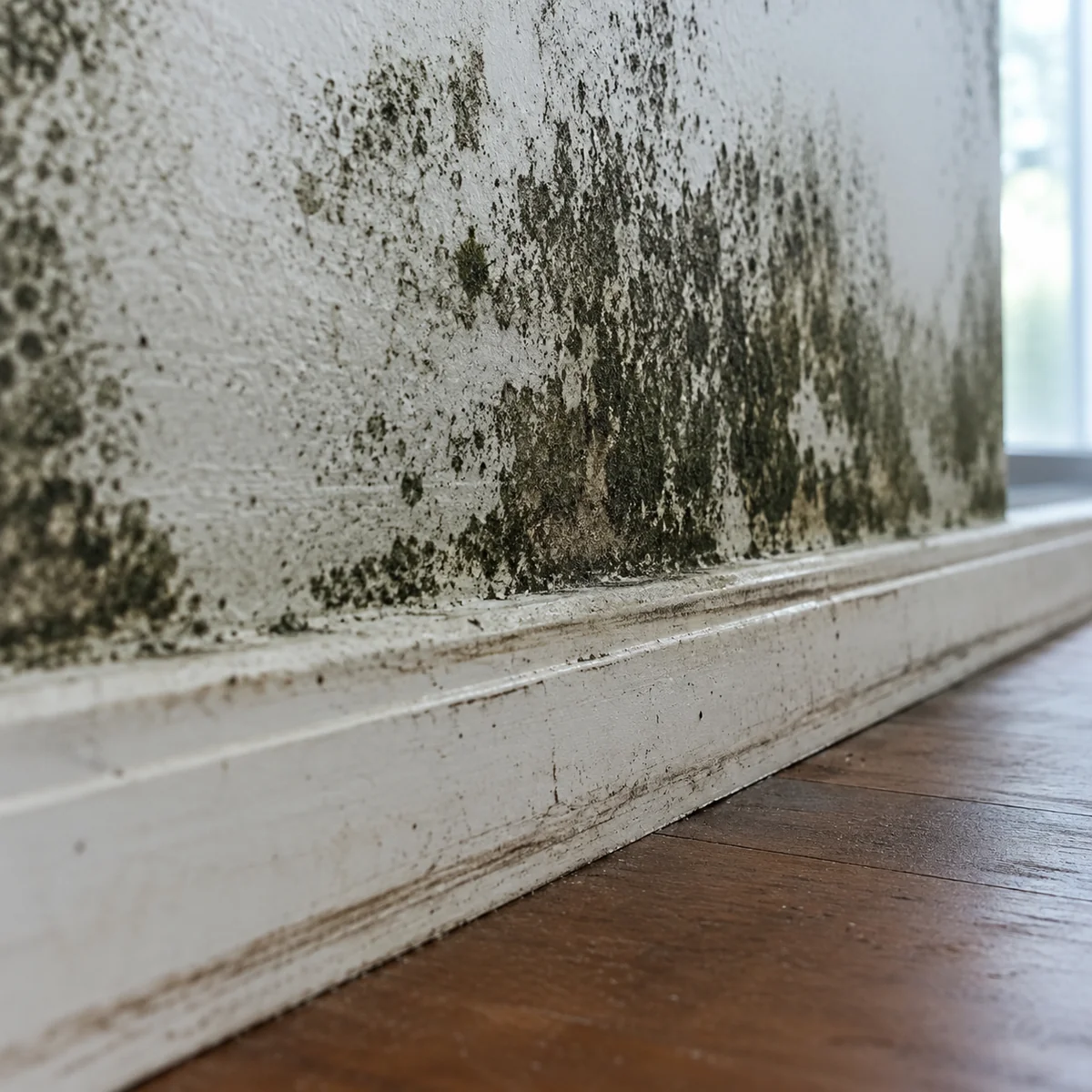
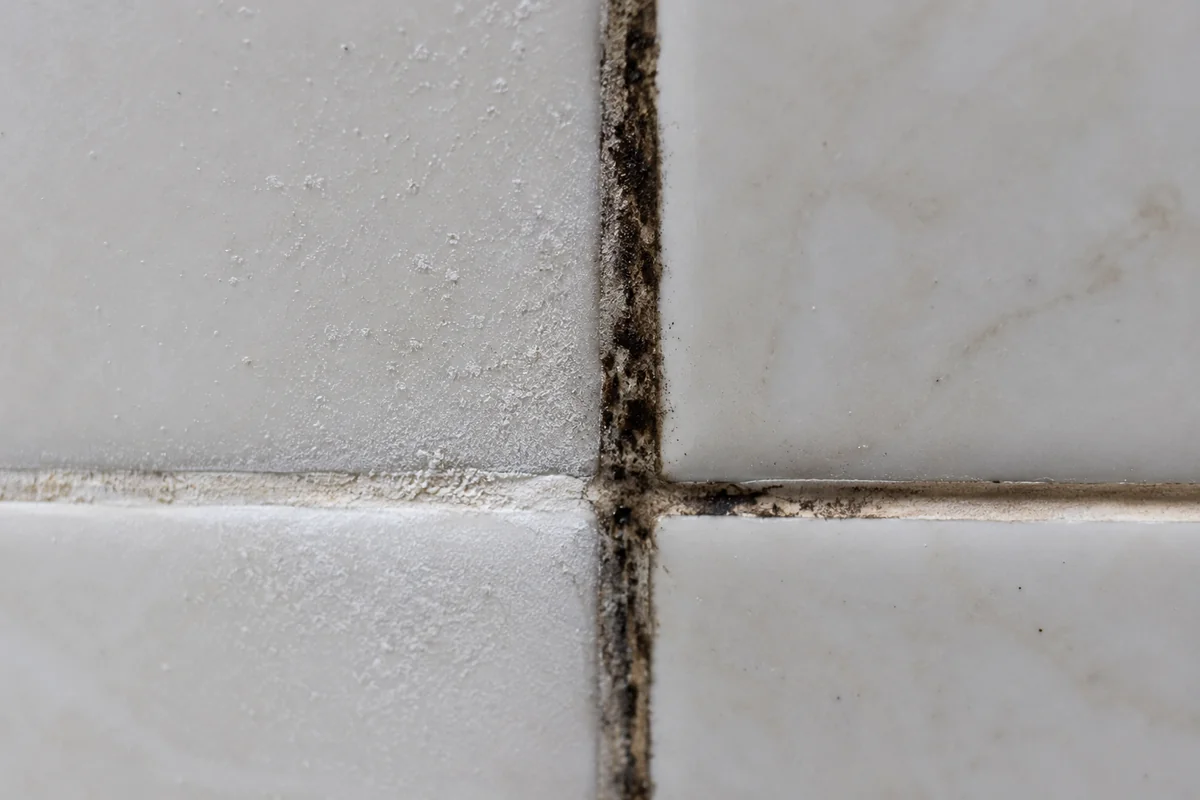
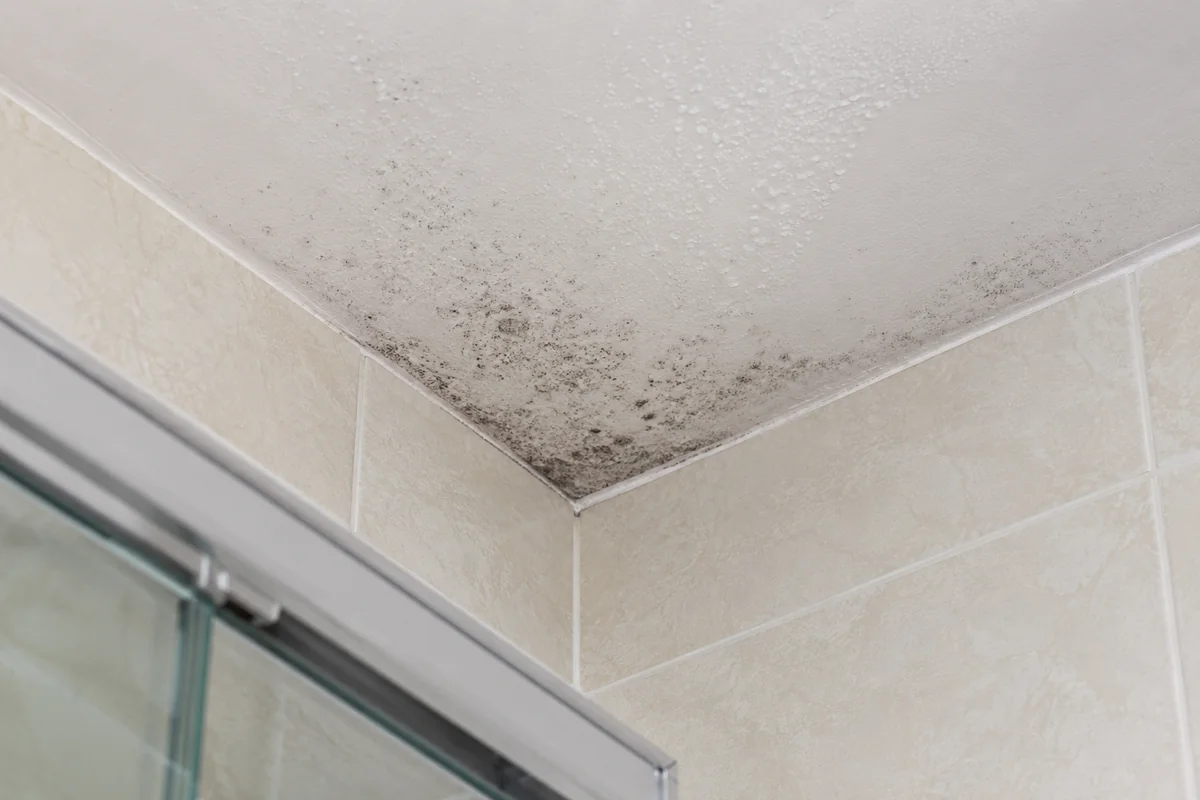
Not every dark smudge is mold. Soap scum, mineral deposits, and old dirt look similar and wipe away for good. Mold usually has a fuzzy or slimy texture, spreads in irregular patches, and often carries a musty smell. If you are not sure what you are looking at, our guide on is this mold? walks through the visual cues. A quick test: dab a little diluted dish soap on the spot and wipe. If it lifts cleanly and does not come back, it was probably grime, not mold.
Step 2: Find and fix the moisture source
Mold needs steady moisture, so trace where the water is coming from before you touch the growth. Common sources include plumbing leaks under sinks, roof or window leaks, condensation on cold surfaces, and rooms that stay above 60 percent humidity. Some of these are easy to spot; others hide inside walls or under floors.
- Plumbing leaks under sinks, behind toilets, or at appliance connections
- Roof, window, or foundation leaks that show up after rain
- Condensation on windows, pipes, or cold exterior walls
- High indoor humidity from showers, cooking, or drying laundry indoors
- Poor drainage that pushes water toward the foundation
If you cannot find the source, or the moisture keeps returning after you dry the area, that is a strong sign a hidden problem needs a professional eye. See who to call about mold for how to sort out the right trade.
Step 3: Know the 10 square foot rule
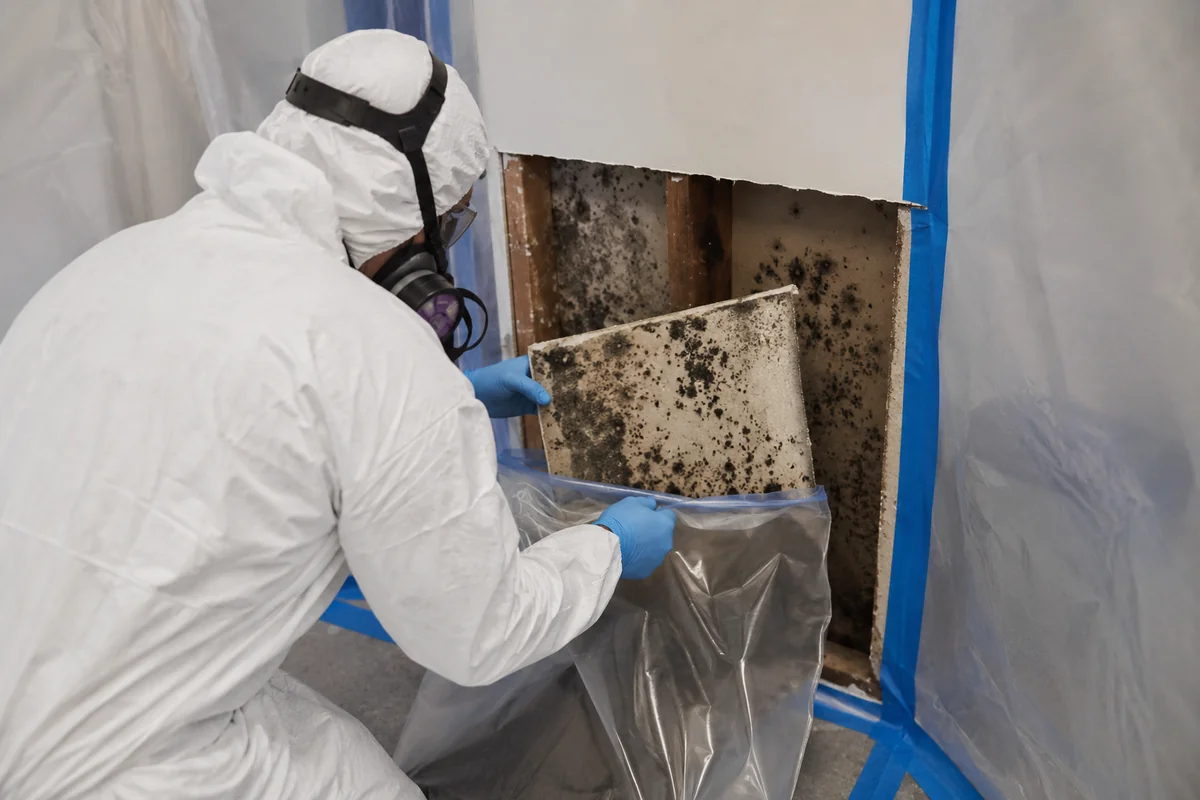
The EPA suggests that a homeowner can usually handle a mold patch smaller than about 10 square feet, roughly a 3 foot by 3 foot area. Beyond that, or if the mold is inside walls, in the HVAC system, or tied to sewage or major water damage, the work belongs to a certified remediation contractor with containment and the right equipment. If you are on the fence, our do I need a pro? guide lays out the deciding factors.
Step 4: Gear up for safety
Even a small cleanup stirs spores into the air, so protect yourself before you start. You do not need a hazmat suit for a bathroom corner, but you should not clean bare-handed either.
- An N95 respirator or better, not a cloth or surgical mask
- Rubber or nitrile gloves that cover the wrist
- Eye protection without vent holes
- Open windows and, if you have one, a fan pointed to push air outside
- Old clothes you can wash in hot water afterward
Step 5: Clean hard, non-porous surfaces
Tile, glass, metal, sealed countertops, and glossy painted trim can be cleaned and reused. The goal is to physically remove the mold, not just discolor it.
- 1 Mix warm water with a little dish soap, or use a store-bought household cleaner. Plain detergent and scrubbing work well on hard surfaces.
- 2 Scrub the area firmly with a stiff brush or scrub pad until the visible mold is gone. Rinse the brush often.
- 3 Wipe the surface clean and inspect it in good light for any patches you missed.
- 4 Dry the area thoroughly with towels, then keep air moving until it is bone dry. Lingering damp invites regrowth.
Step 6: Remove porous materials that cannot be saved
Porous materials soak mold deep into their structure, so surface cleaning does not truly clear them. Drywall, ceiling tile, carpet, carpet padding, and insulation that are moldy usually have to be cut out and replaced, not scrubbed. Cut a few inches past the visible edge, bag the debris in plastic before carrying it through the house, and seal the bag before it goes in the trash. If removing material exposes framing or a larger wet area than you expected, stop and call find a licensed local pro.
Step 7: Dry, ventilate, and prevent the return
After cleaning, the single most important thing is to keep that spot dry. Run a dehumidifier to hold indoor humidity between 30 and 50 percent, use exhaust fans in bathrooms and kitchens, and repair the underlying leak for good. If mold keeps coming back in the same place despite your best drying, the moisture source is still active and worth a professional assessment.
Frequently asked questions
Does bleach kill mold?+
Bleach can lighten mold on hard, non-porous surfaces, but it is often overrated. On porous materials like drywall, the water in bleach soaks in while the surface color fades, which can leave roots behind. For most small jobs, plain detergent and scrubbing to physically remove the mold works as well or better. Never mix bleach with ammonia or other cleaners.
Can I paint over mold?+
No. Painting over mold traps it and hides the moisture problem instead of solving it. The mold keeps growing under the paint, which eventually peels or bubbles. Clean or remove the moldy material and fix the water source first, then paint the dry, clean surface if you like.
Will mold come back after I clean it?+
It will if the moisture is still there. Mold returning in the same spot almost always means an unresolved leak, condensation, or high humidity. Fixing the water source is what keeps it away, not the cleaning product you choose.
When should I call a professional?+
Call a pro when the affected area is larger than about 10 square feet, when mold is inside walls or the HVAC system, when it follows sewage or major flooding, or when it keeps returning after you clean. People with breathing conditions may also want a pro to handle even small jobs.
Is vinegar effective against mold?+
White vinegar can help on some hard surfaces and is gentler than bleach, but it is not a cure-all and works slowly. As with any cleaner, its real value is combined with scrubbing to remove the mold physically and, above all, with fixing the moisture that caused it.
What mold looks like
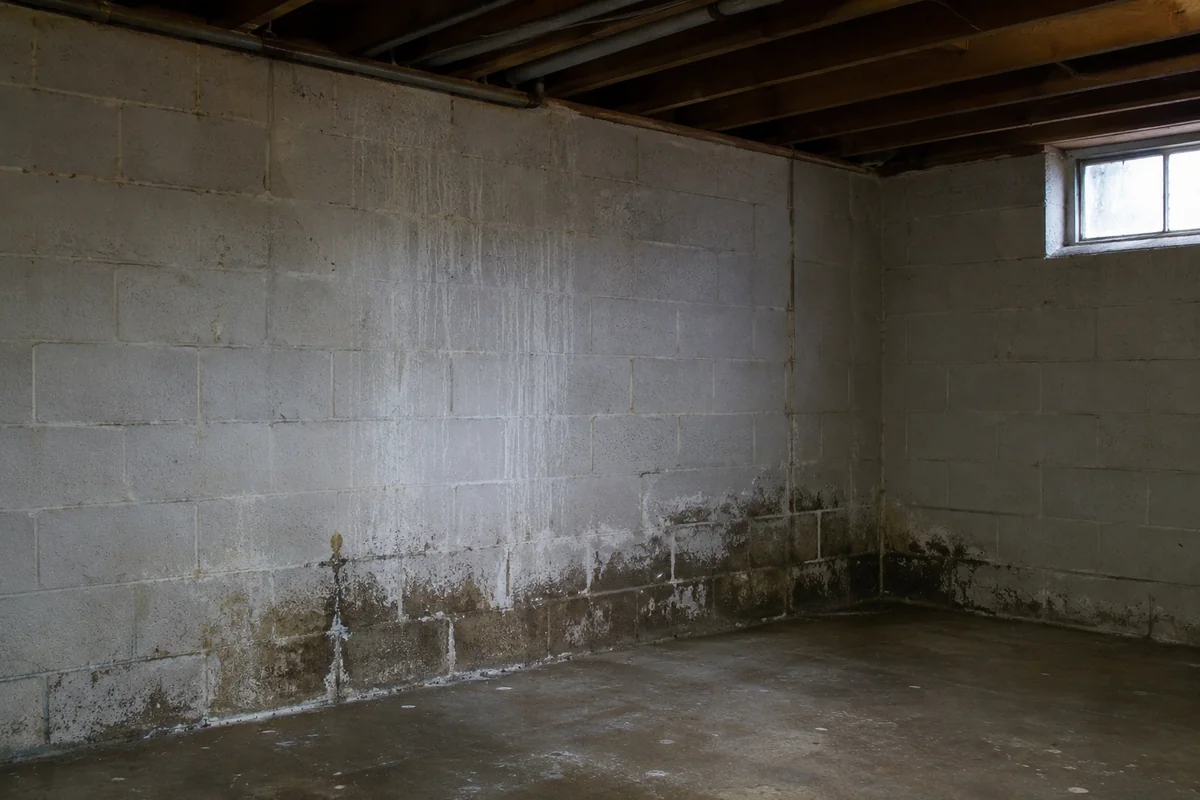
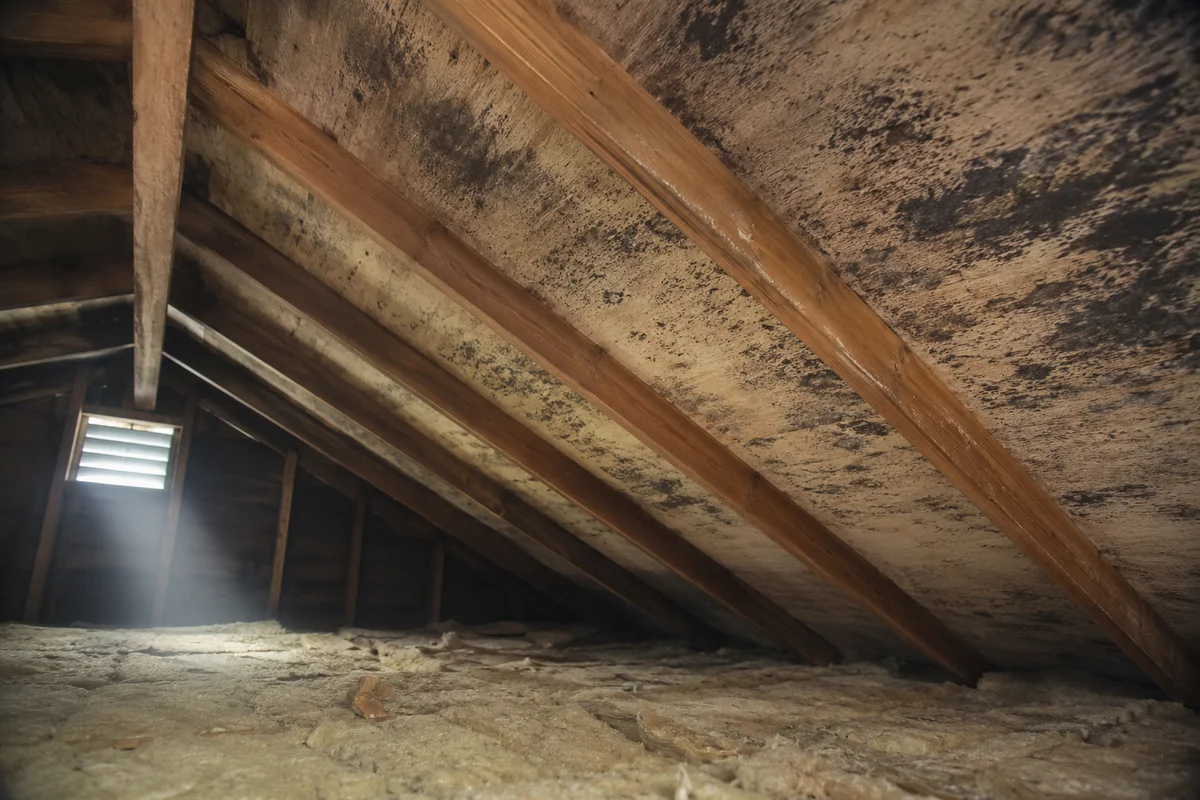
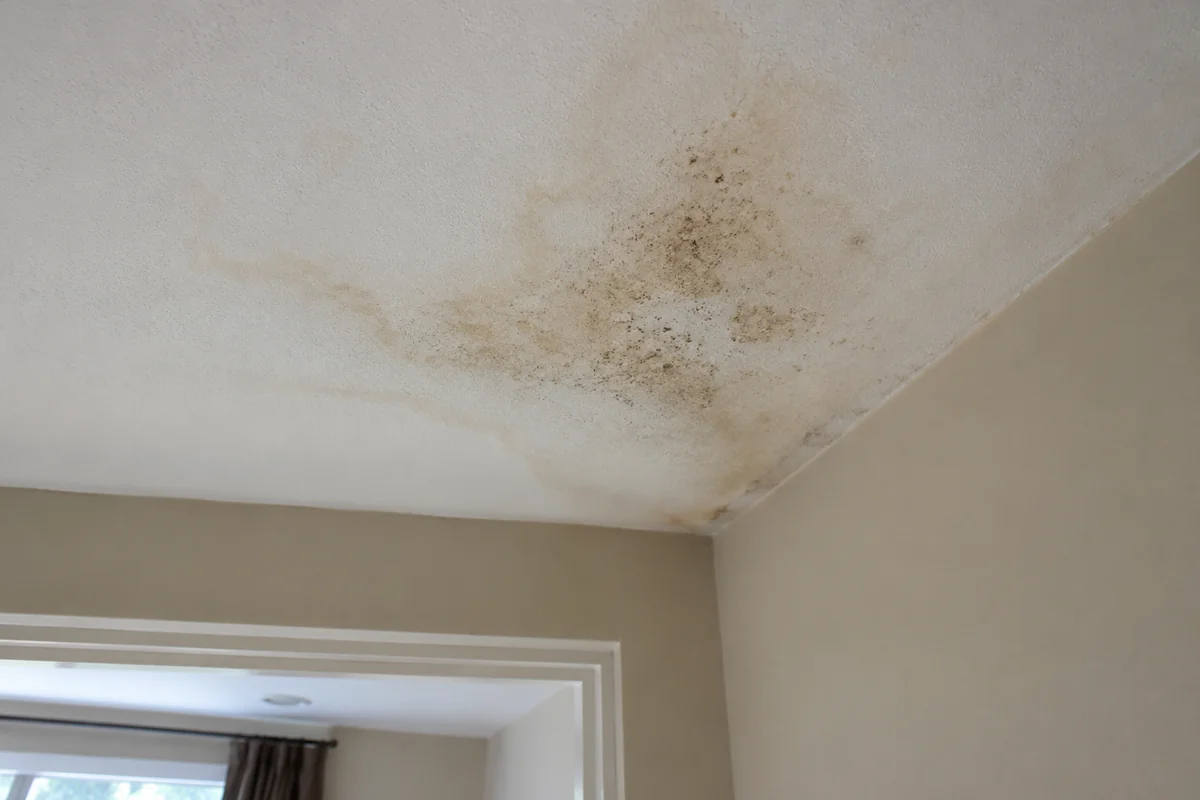
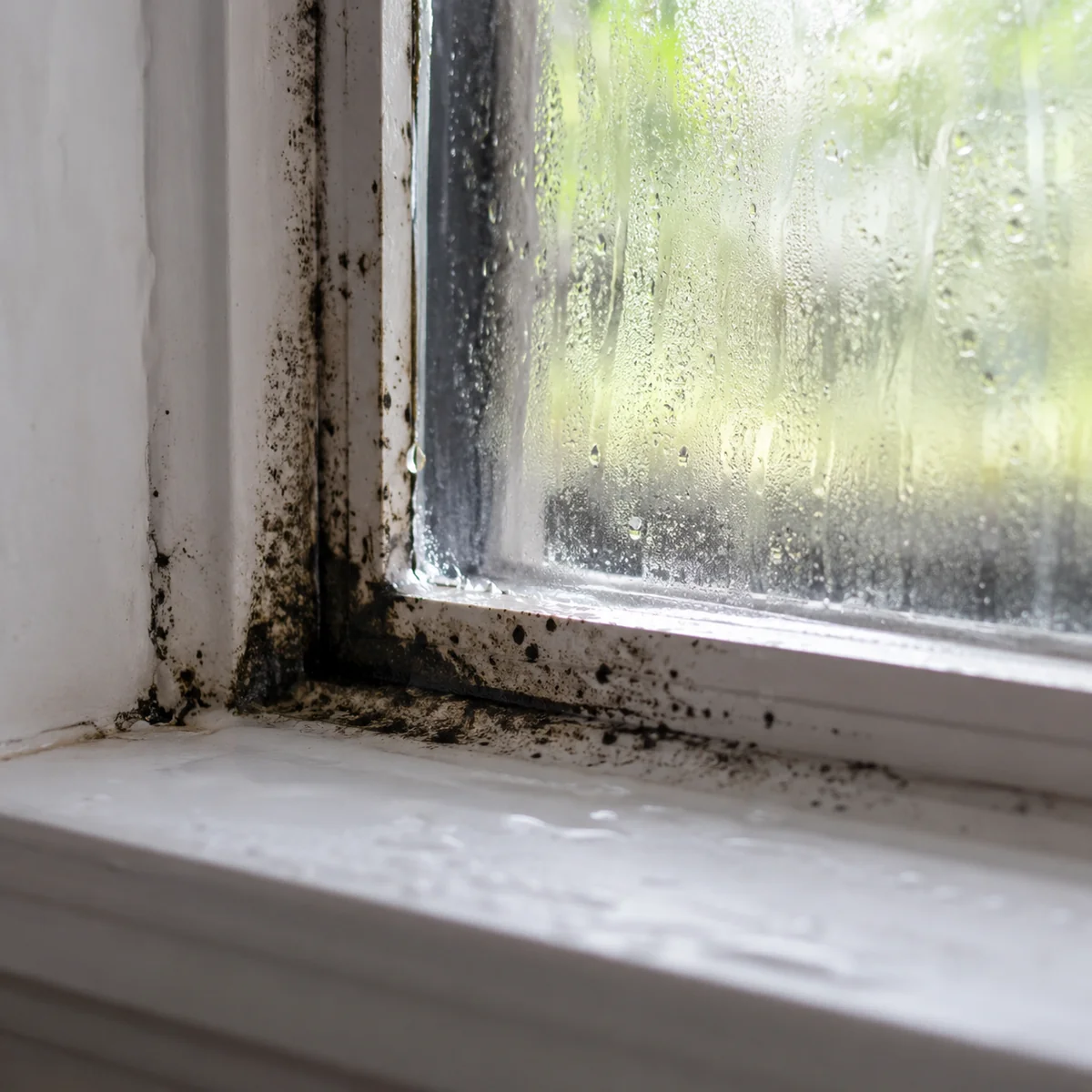
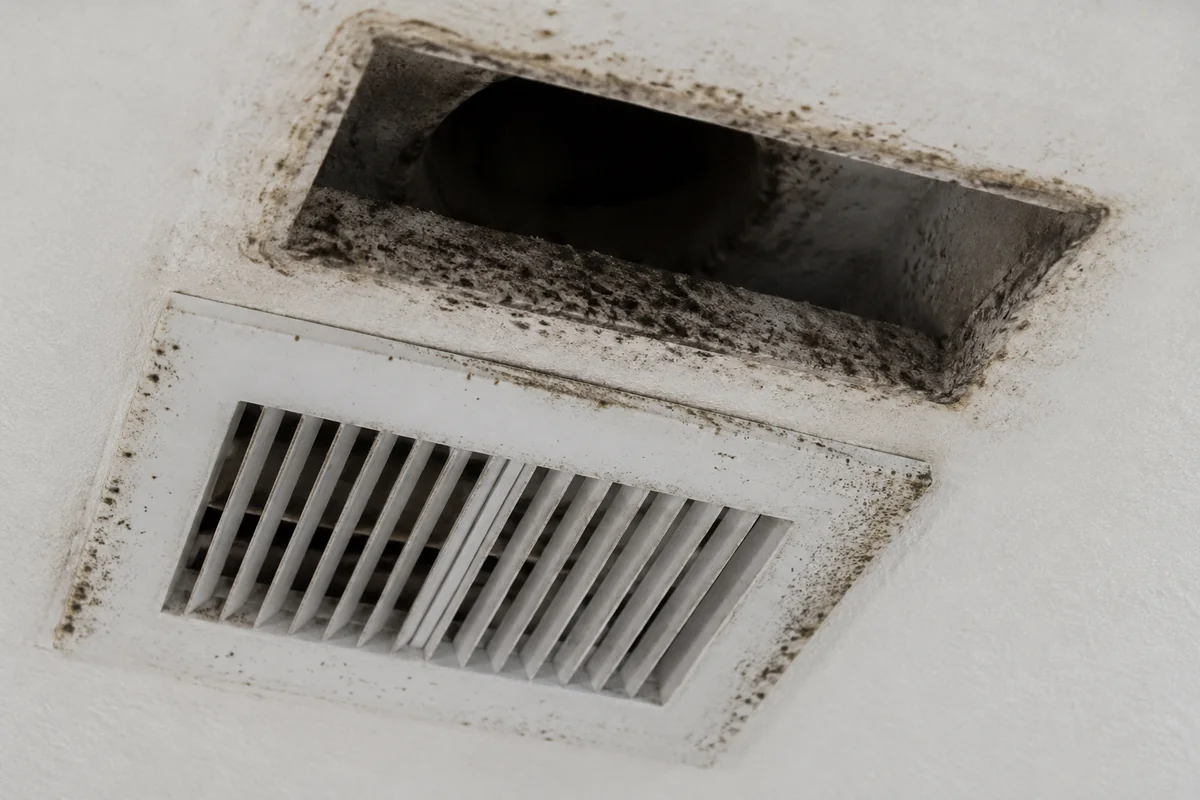
Not sure what you are dealing with?
A quick guided check tells you what you are looking at and the right next step.
The honest summary is that small mold problems are manageable at home when you respect a few limits: confirm it is mold, dry the source, protect yourself, and know when a patch is too big or too hidden to handle alone. Do those things and you now know how to get rid of mold the right way, with a licensed local pro ready to step in the moment the job grows beyond you.
Not sure if it is even mold?
A quick guided check tells you what you are looking at and what to do next.