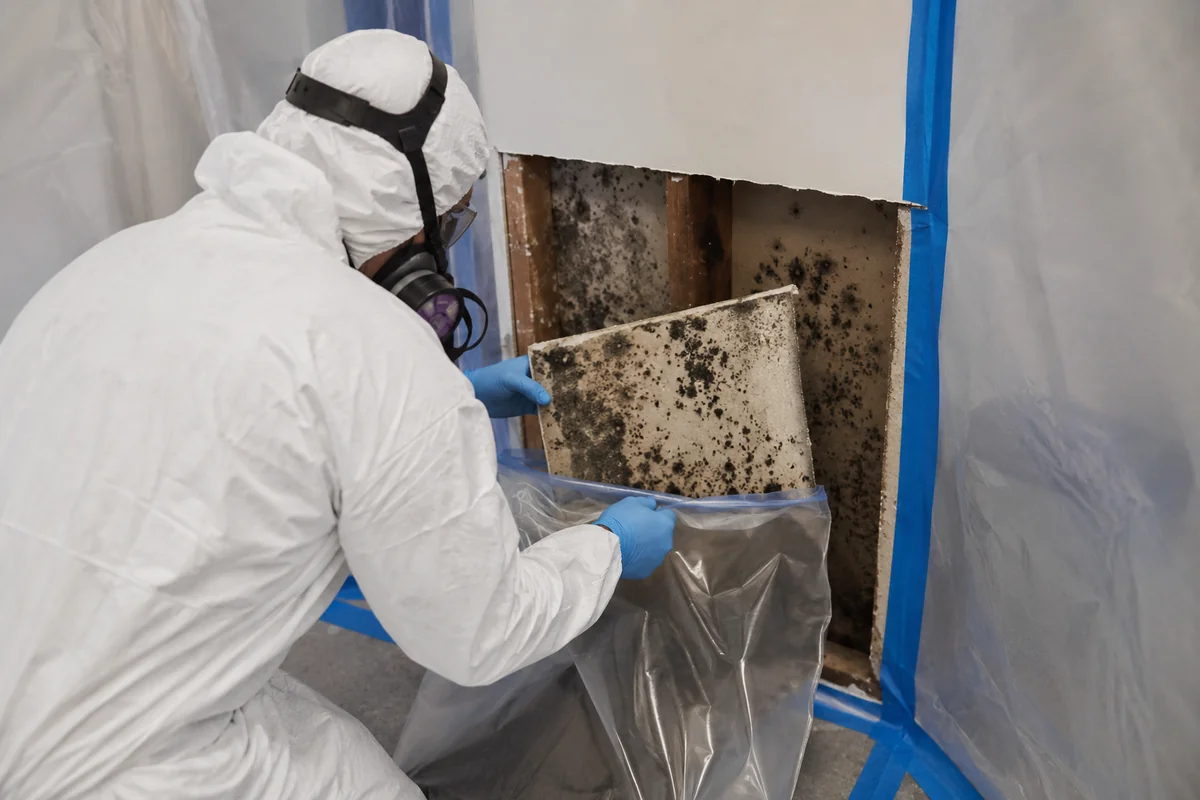
Commercial
Choosing a Commercial Mold Remediation Contractor
How to vet licensing, certifications, scope, and references so you hire on quality and a shared scope rather than the lowest number.
Choosing a commercial mold remediation contractor is one of the most consequential decisions in the whole process, because the right team protects your occupants, your budget, and your paper trail. The wrong choice can leave the moisture source unaddressed, the work unverified, and your liability position weaker than before. This guide walks through the licensing and certifications to ask about, why the assessor and the remediator should be separate, and how to compare bids fairly on a single shared scope of work.
Separate the assessor from the remediator
When one company both diagnoses the problem and grades its own cleanup, the check is not independent. Keeping assessment and remediation in different hands avoids that conflict of interest and gives you a credible clearance result.
Licensing and certifications to ask about
Start with credentials held by the contractor, not by your site. Ask for current documentation and confirm it directly rather than taking it on faith.
- IICRC certification relevant to mold remediation, held by the firm and its technicians
- Any state or local mold license or registration your jurisdiction requires of the contractor
- Proof that certifications and licenses are current, not lapsed
- Training records for the specific technicians who will be on your job
- Written confirmation of who holds each credential, since it is the contractor who is licensed, not your building
Licensing requirements for mold work vary by state, and some states require none. Confirm what your jurisdiction currently requires and verify the contractor meets it. Treat this as due diligence rather than legal advice.
Why the assessor and remediator should be separate
An independent assessor, often a certified industrial hygienist, defines the scope and later verifies the result against clearance criteria. When the same firm both writes the scope and grades its own finished work, there is a built-in incentive to declare success. Using a separate assessor removes that conflict of interest and produces a clearance result that carries more weight with insurers and counsel. This separation is a recurring theme across the commercial mold remediation process.
Get a written scope of work and clearance criteria
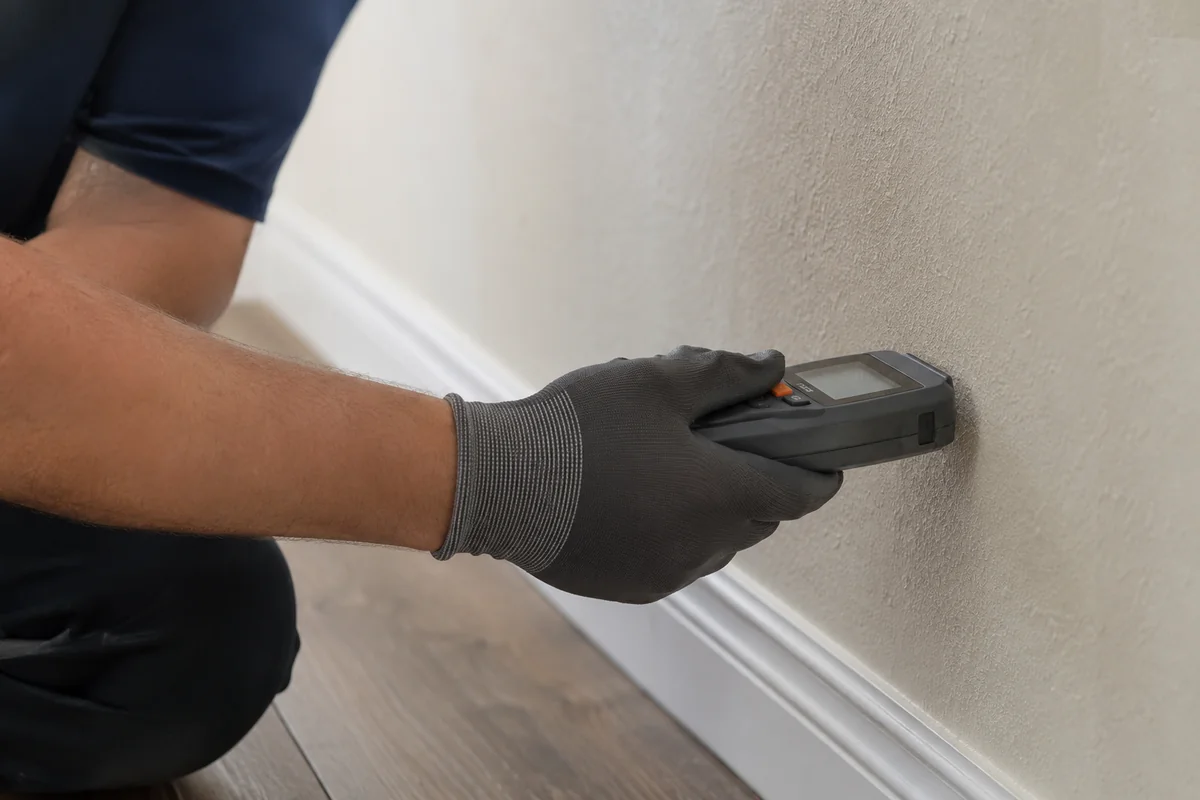
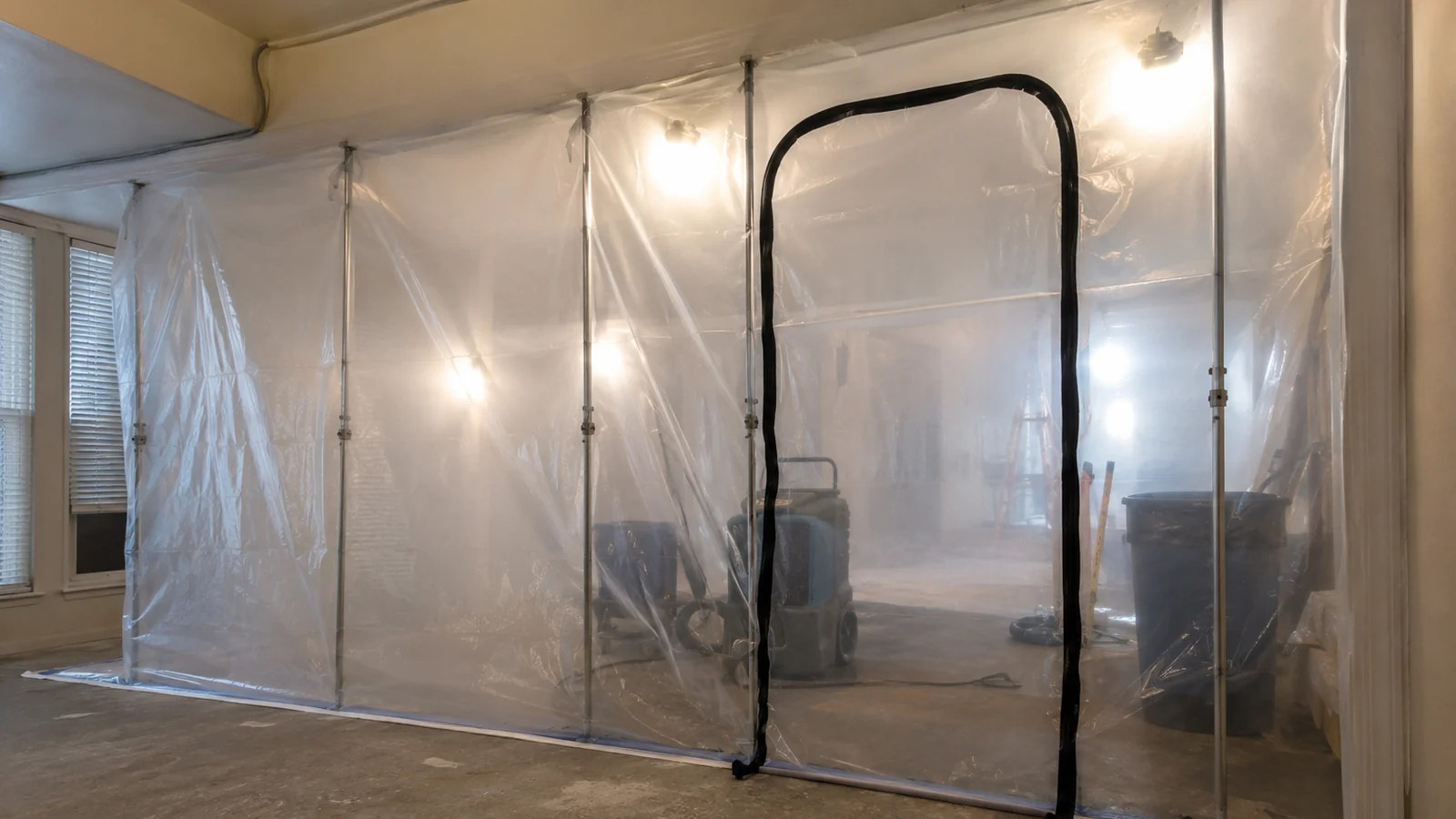
A written scope of work is the backbone of a fair hiring decision. It should state what materials will be removed, what containment will be used, how the moisture source will be corrected, and the specific criteria the job must meet to pass clearance. With that document in hand you can compare bids on identical terms, and you have a reference if any part of the work is later questioned. Vague, verbal, or one-line proposals are a warning sign that costs and expectations are undefined.
Check references and insurance
Before signing, confirm the contractor can stand behind the work and carries appropriate coverage.
- 1 Ask for references from similar commercial jobs and actually call them
- 2 Confirm general liability coverage and, where relevant, pollution or mold-specific coverage
- 3 Verify workers compensation coverage for the crew on your property
- 4 Ask how they document daily work, containment, and clearance
- 5 Confirm they will correct the moisture source, not just remove visible growth
Compare bids on the same scope
The most common mistake is comparing bids that describe different work. If one bid excludes the moisture repair or uses lighter containment, its lower number is not really lower. Require every bidder to price the same written scope and clearance criteria, so the comparison reflects value rather than what each firm chose to leave out. A bid far below the others often signals missing steps rather than a bargain, and understanding typical ranges through a commercial mold cost estimator helps you spot an outlier.
Red flags to watch for
- A single firm insists on doing both the assessment and its own clearance
- No written scope of work, or a scope that ignores the moisture source
- Pressure to sign immediately or a bid far below every other quote
- Reluctance to share license numbers, certifications, or proof of insurance
- Promises that sound absolute rather than describing a defined, verifiable process
Getting matched to qualified pros
Vetting several contractors takes time, and starting from a pre-screened set makes it easier. To connect with qualified assessors and licensed remediation contractors in your area, you can find a licensed local pro or review who to call about mold to understand which specialist handles each part of the job.
Frequently asked questions
What certifications should a commercial mold contractor have?+
Look for IICRC certification relevant to mold remediation held by the firm and its technicians, plus any state or local license your jurisdiction requires of the contractor. Confirm the credentials are current and held by the contractor, since it is the contractor who is licensed, not your building.
How many bids should we get?+
Getting at least three bids is a common practice, and the key is that every bid prices the same written scope of work and clearance criteria. Bids on different scopes cannot be compared fairly, and a shared scope is what turns three numbers into a meaningful comparison.
What are red flags when choosing a contractor?+
Warning signs include one firm doing both assessment and its own clearance, no written scope, ignoring the moisture source, pressure to sign fast, a bid far below the others, reluctance to show licenses and insurance, and absolute-sounding promises instead of a defined process.
Should the assessor be separate from the remediator?+
Keeping them separate is generally preferred. An independent assessor scopes the work and verifies the result, which avoids the conflict of interest that arises when a firm grades its own cleanup. That independence makes the clearance result more credible to insurers and counsel.
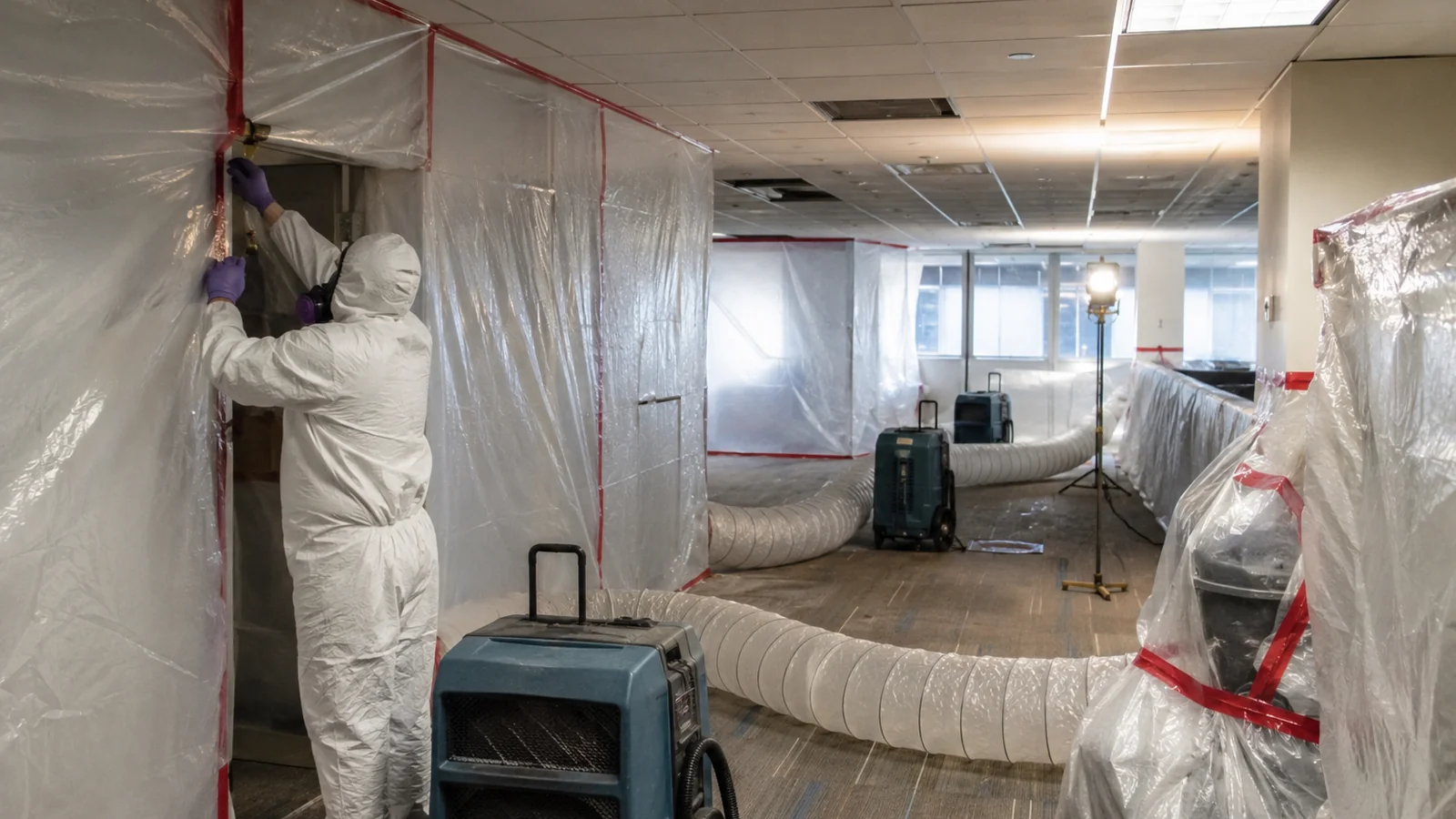
Commercial mold, in the field
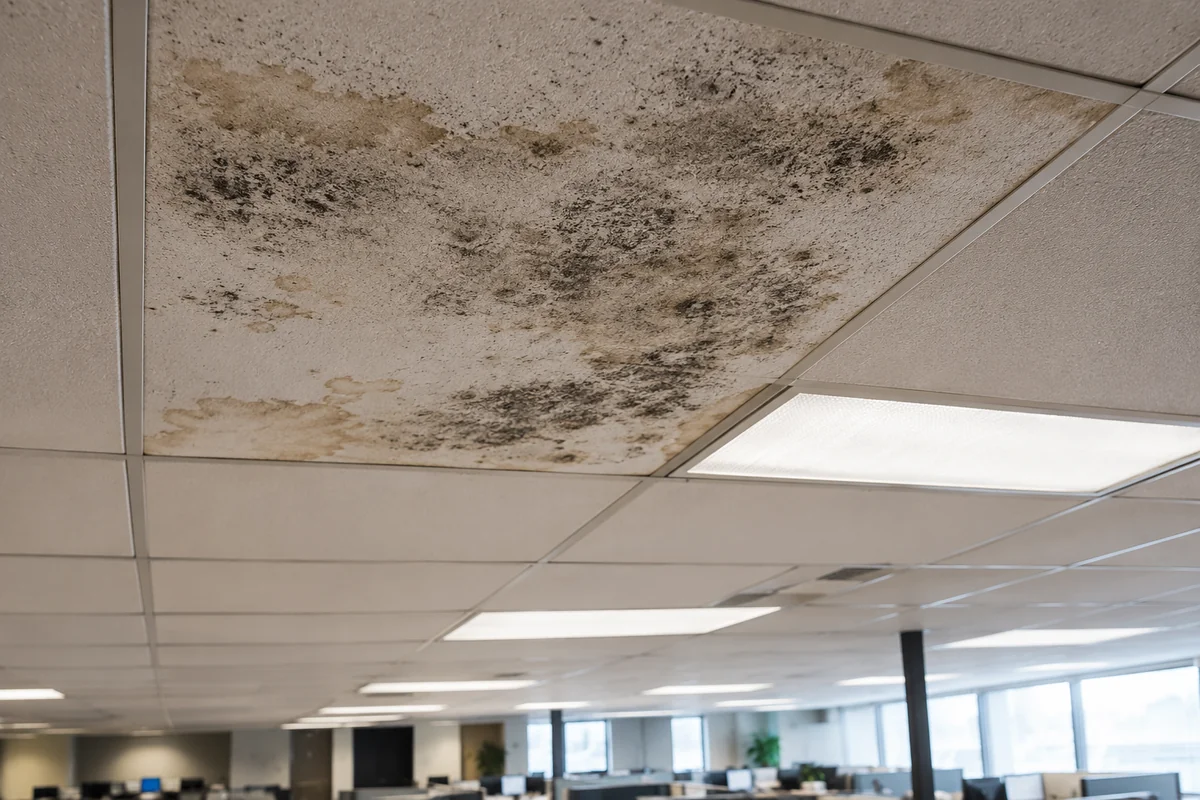


Mold in a building you manage?
Follow a documented response that protects you from the first complaint through clearance testing.
Hire on credentials, an independent assessment, a written scope, verified references and insurance, and bids compared on identical terms rather than on the lowest headline number. That discipline protects your occupants, your budget, and your records at the same time. When you are ready, the licensed pros in our network can help with choosing a commercial mold remediation contractor suited to your building.
A tenant reported mold?
Follow a documented response that protects you, step by step.