Local guide
Mold in Atlanta, GA
Local mold risk, the offices to call, and your next step in Atlanta.
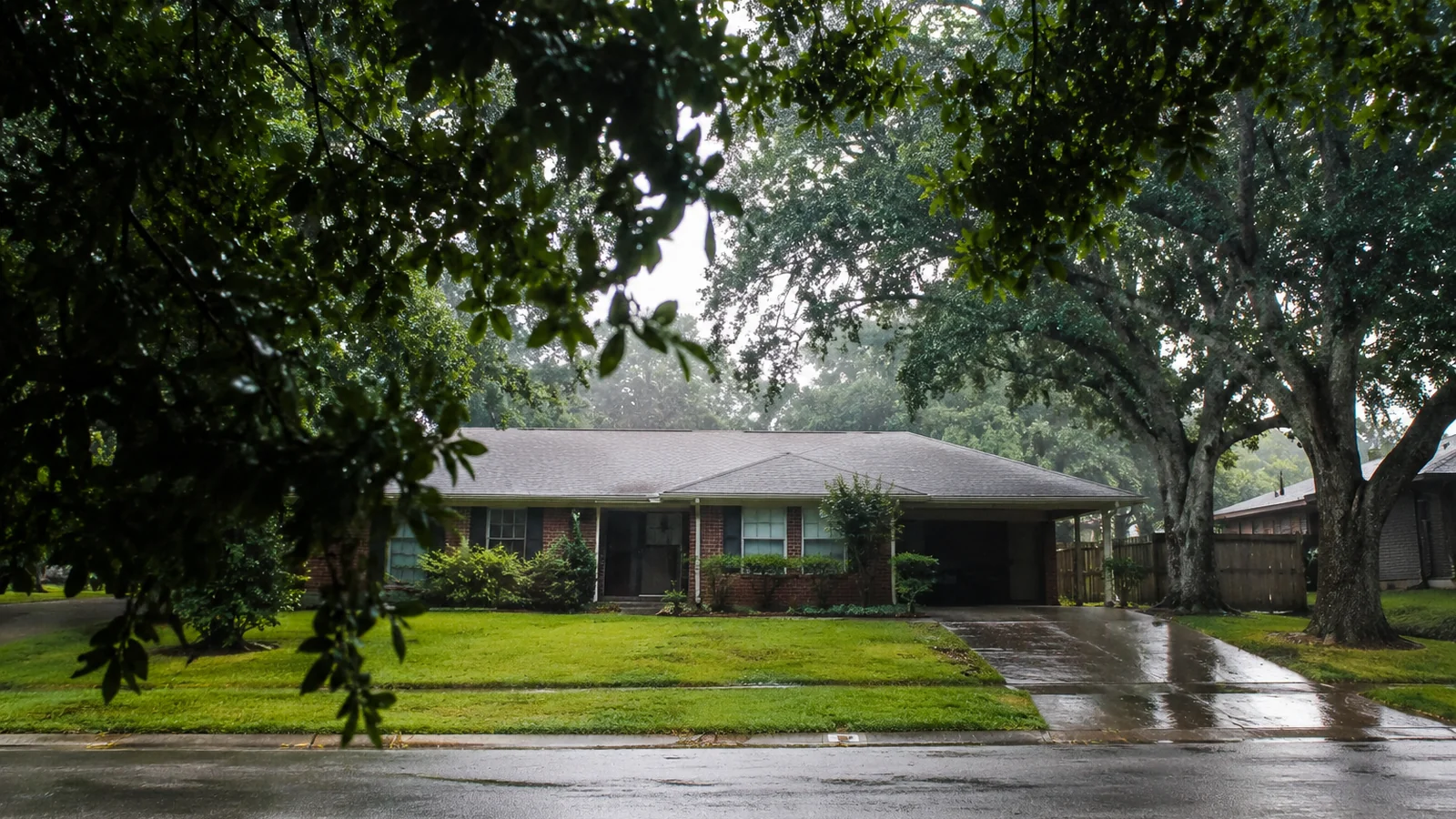
Worried about mold in Atlanta? The warm, humid climate keeps Atlanta homes damp for much of the year, which is exactly what mold needs to take hold. Here is how to tell what you are dealing with, what to do, and who to call locally.
Need mold removal in Atlanta?
Find a licensed local mold removal and remediation pro, or check your home's risk first.
Atlanta at a glance
Whether mold takes hold in a home comes down to a few local factors: how warm and damp the area stays, how much rain falls, and how old the housing tends to be. Here is how Atlanta measures up, and why mold is worth watching for here.
How mold-prone is it here
Moderate
That is about 67 out of 100 on our mold-climate scale. Atlanta's warm, damp weather feeds mold for much of the year, so it is a common problem here, not a rare one.
Rain in a normal year
48 inches
Roughly what Atlanta gets each year. All that wet weather keeps the air inside homes damp, and damp air is exactly what mold needs to grow.
How old homes tend to be
Built around 1985
The typical Atlanta home dates to around then. Houses from that era often have hidden spots, behind walls and under floors, where moisture and mold can build up unnoticed.
Why Atlanta homes get mold
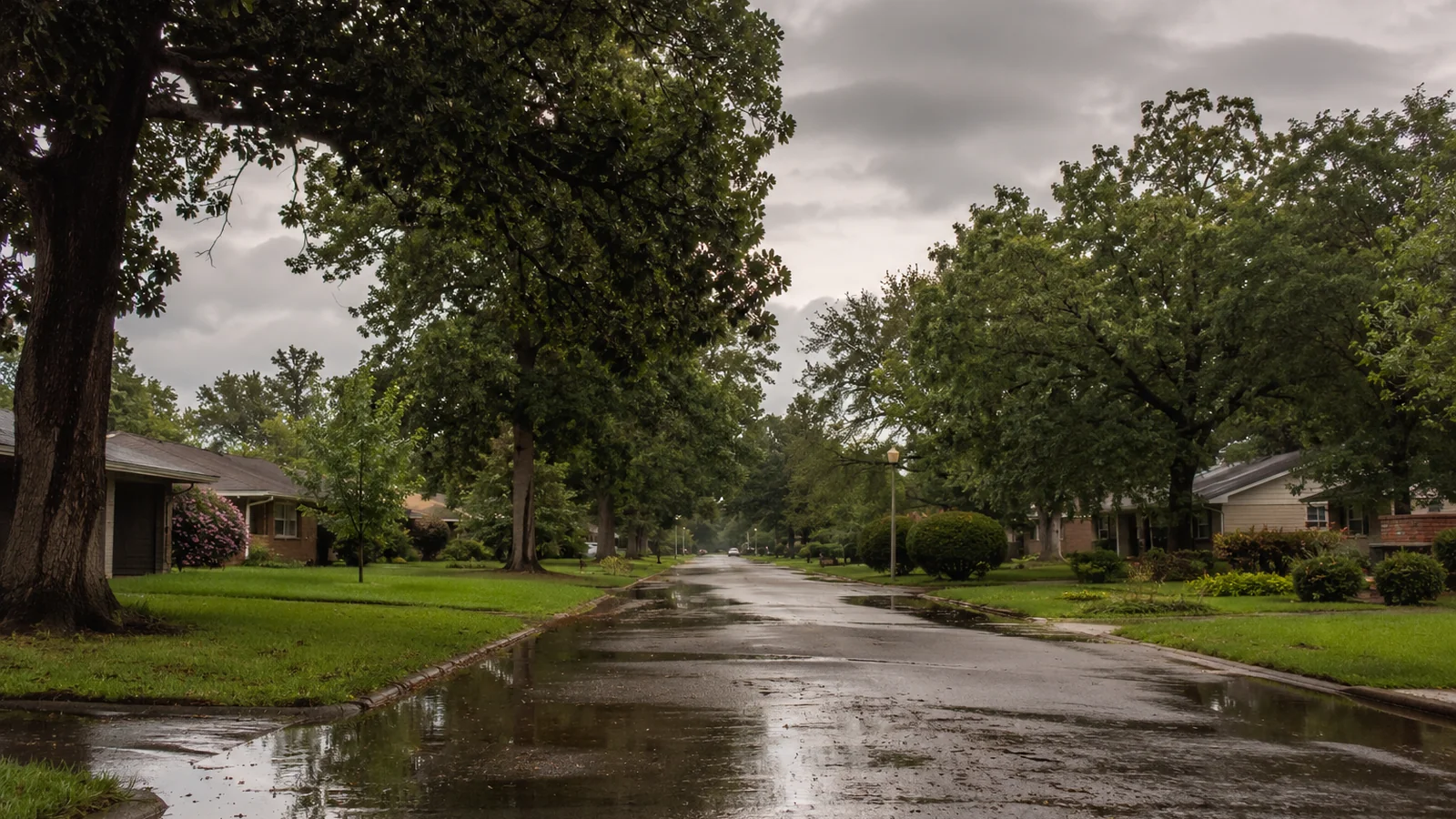
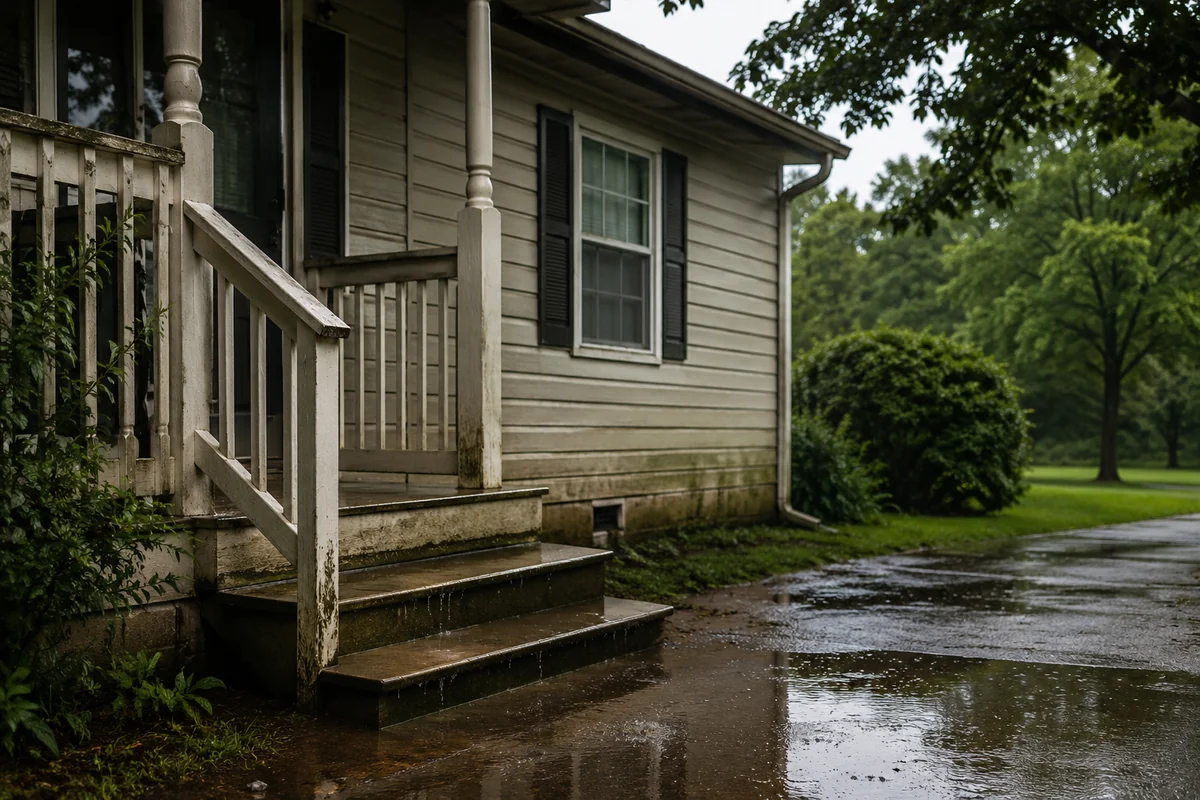
High humidity and steady rainfall keep Atlanta damp, and air conditioning condensation plus closed-up summers give mold the water it needs. The first move is always to figure out what you are looking at and fix the moisture behind it.
Storm and flood mold cleanup in Atlanta
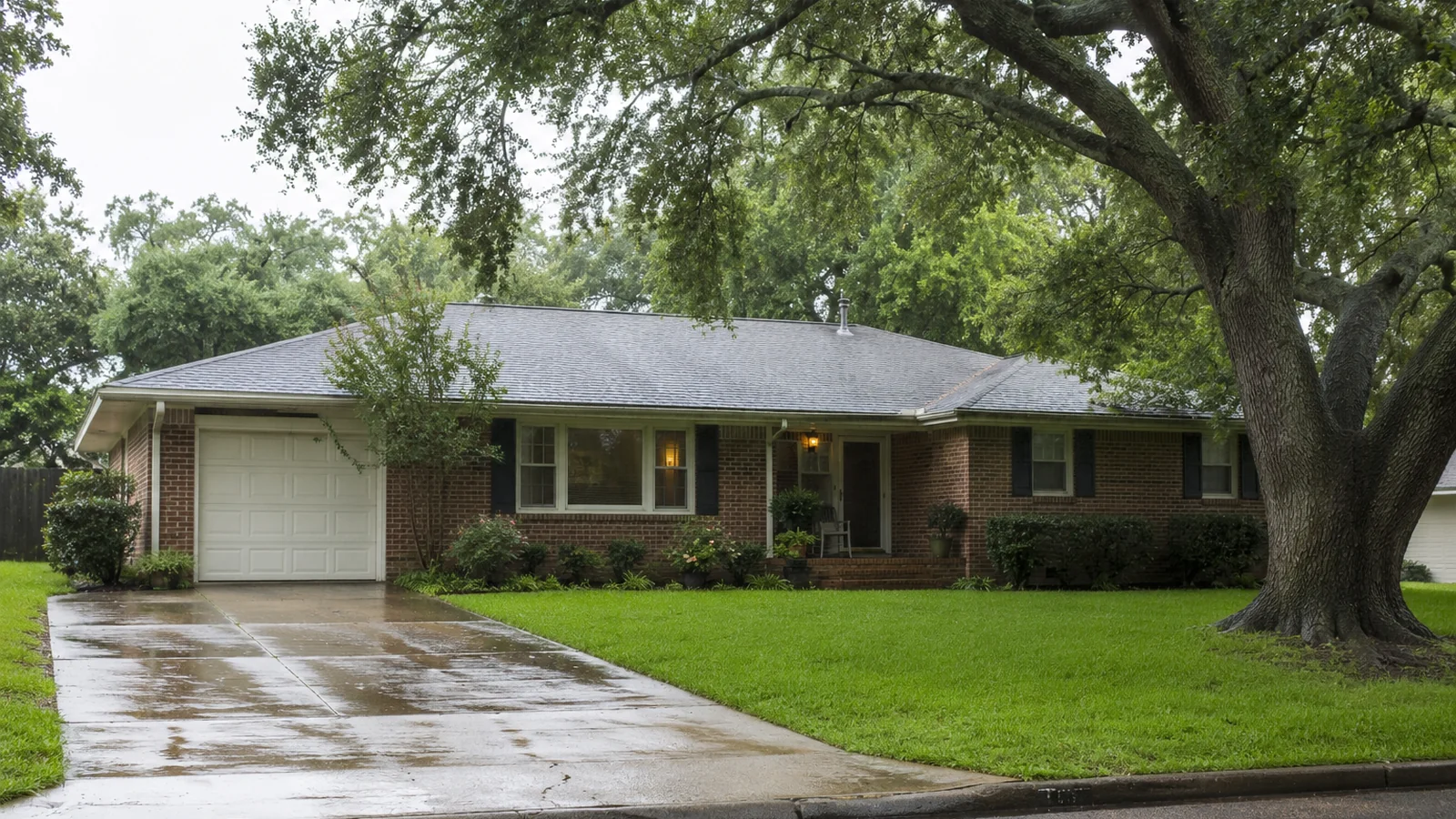
Atlanta has taken hits from named storms like Nicole and Sally, and parts of the area sit in FEMA high-risk flood zones. Standing water turns into mold fast, often within a day or two, so after any flooding or a major leak, work the first 48 hours and use the mold clock to see what to do in the critical window.
Mold in older Atlanta homes
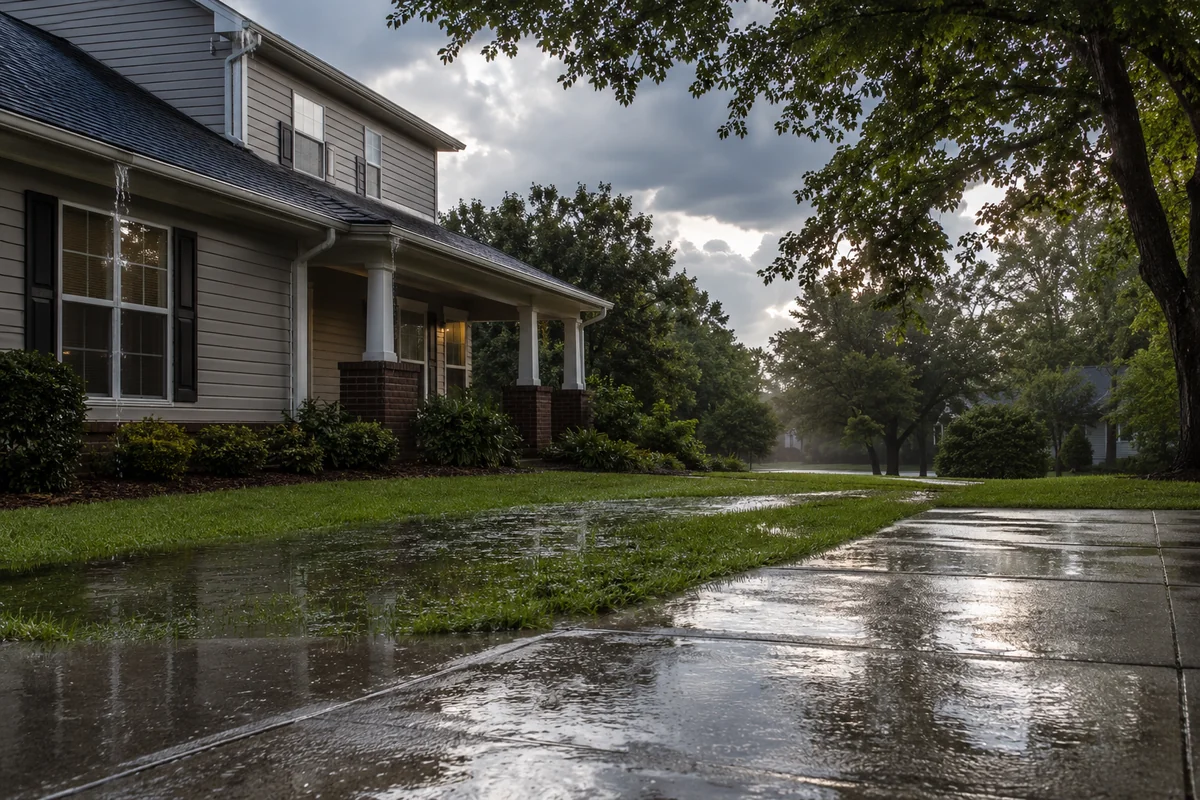
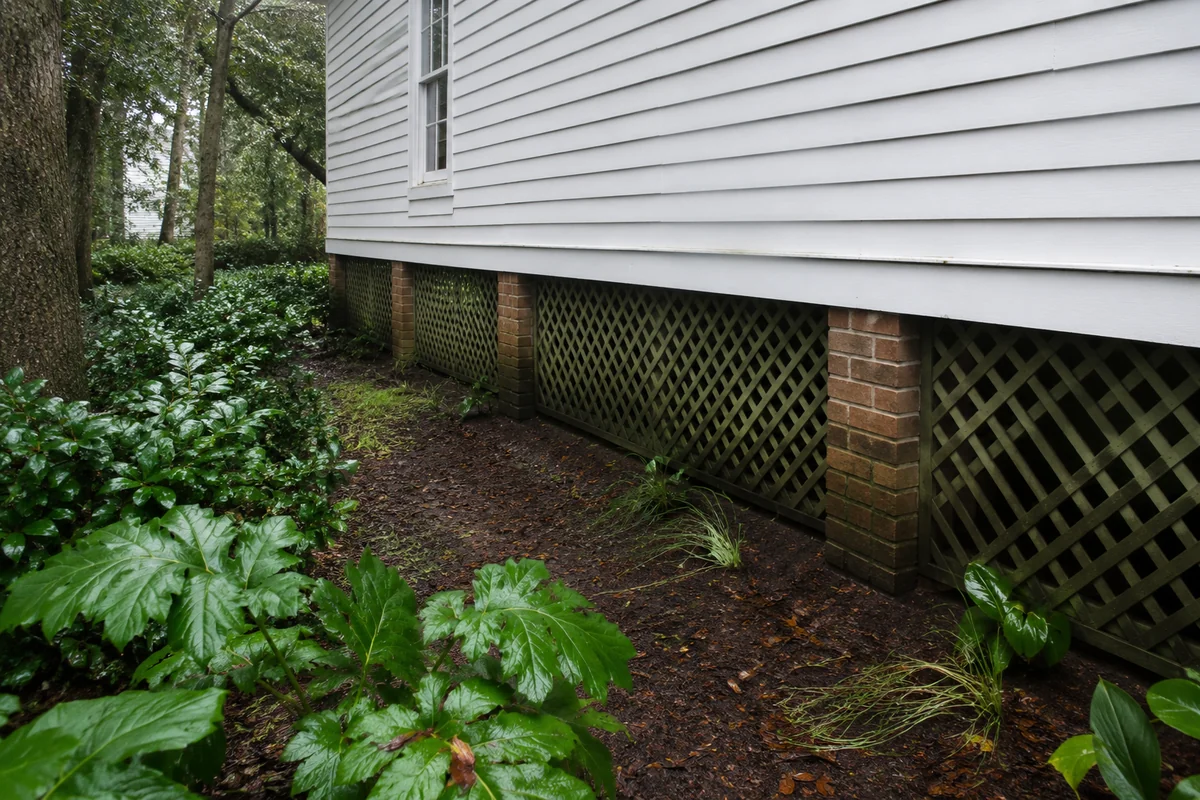
Many Atlanta homes date to a time when moisture detailing was simpler, so older crawl spaces and attics are common trouble spots. A quick check of these areas catches most hidden growth early.
Where mold shows up in Atlanta homes
Bathrooms
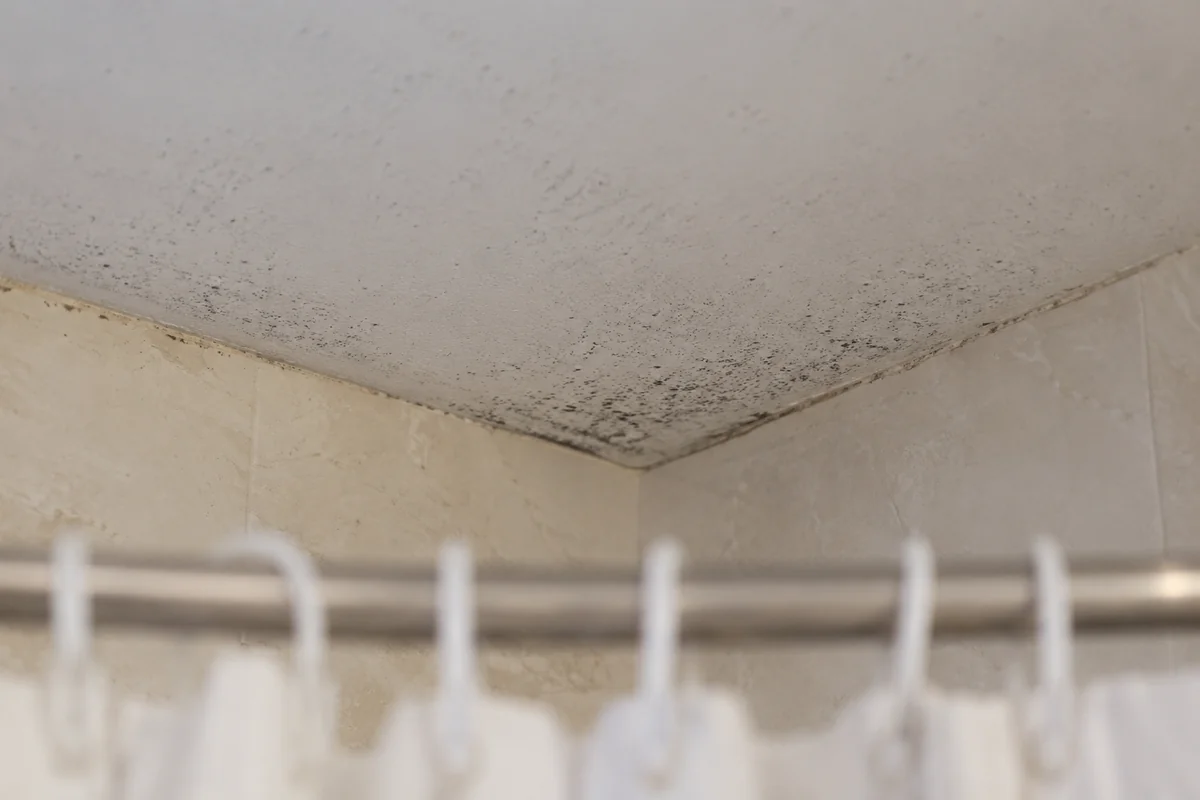
Hot showers plus a weak or missing fan leave grout, caulk, and ceilings damp long enough for mold to take hold.
Stop bathroom moldSlabs and crawl spaces
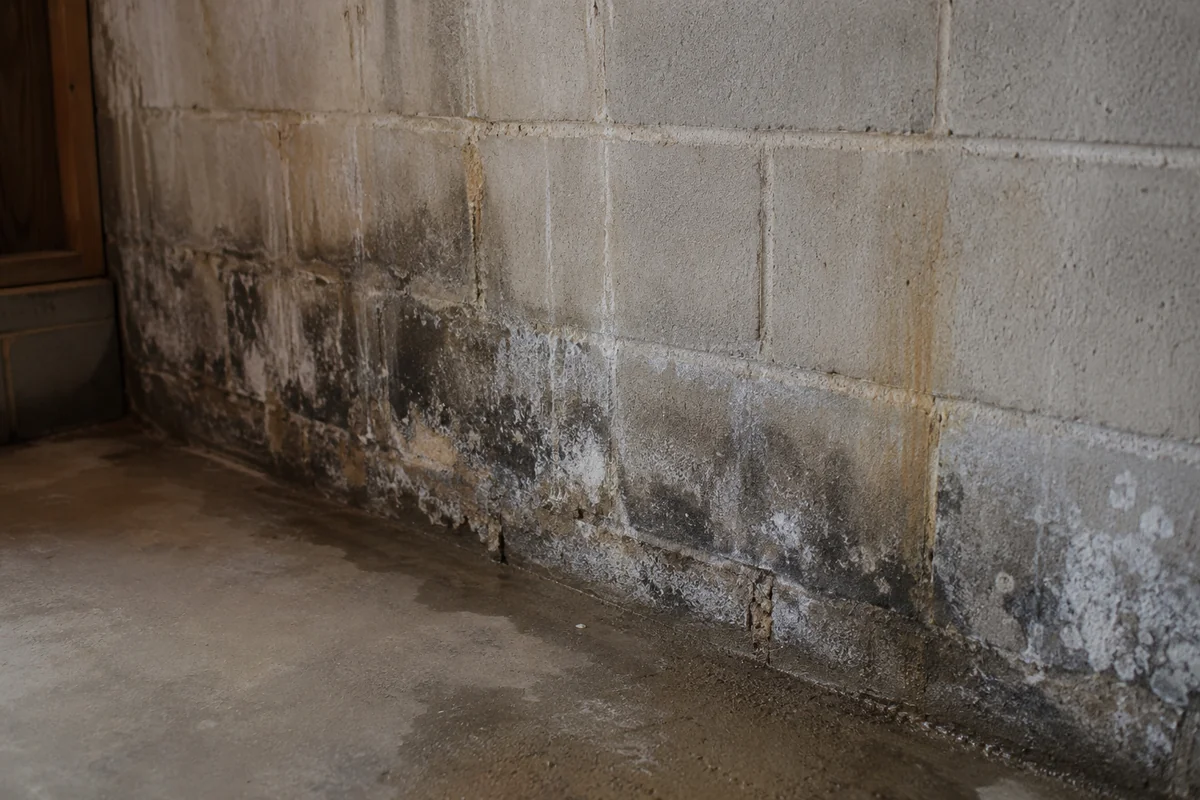
On slab and crawl space homes, ground moisture collects against floors and low walls, so mold shows up along baseboards, in closets, and in the crawl space.
Check the crawl spaceAttics
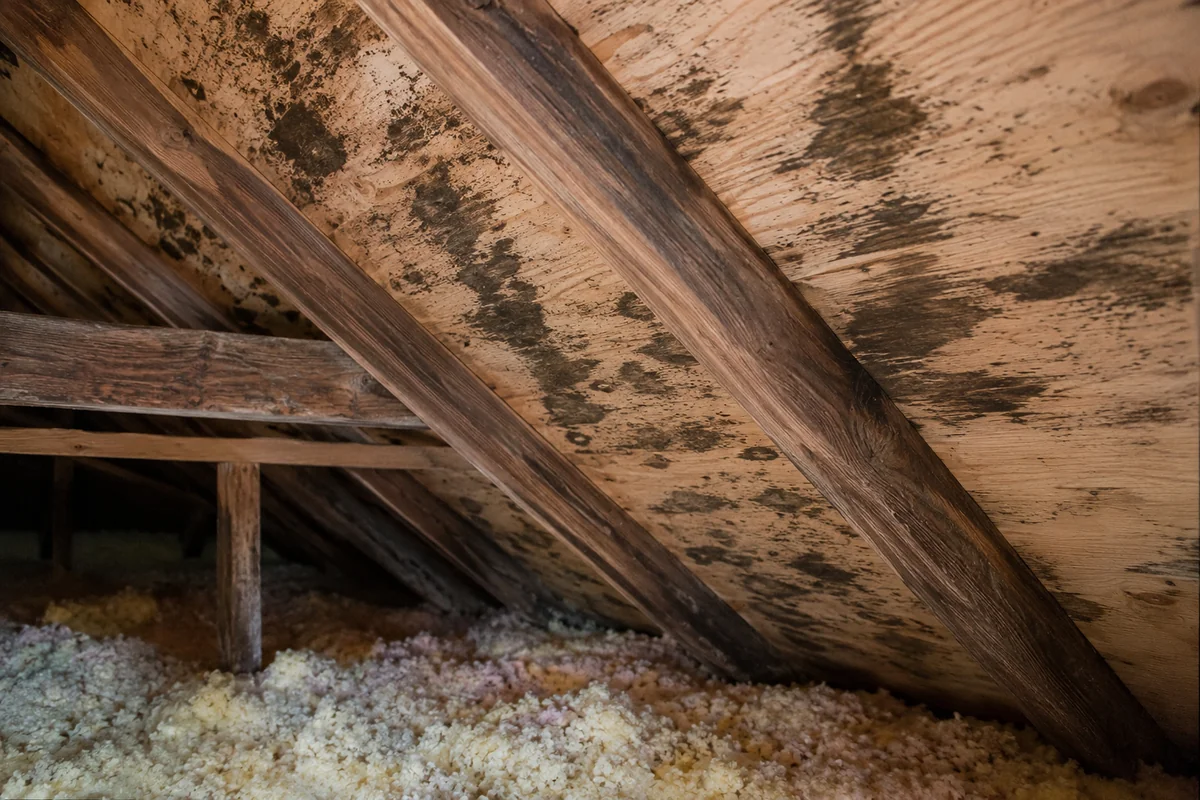
A small roof leak, or a bath fan venting into the attic, traps humid air against the roof deck where mold grows unseen.
Check the atticAfter water damage
Once something gets wet, mold can start within 24 to 48 hours, so drying fast is what actually prevents it.
Beat the 48-hour clockHVAC and air ducts
Air conditioning creates condensation; when drain pans clog or ducts stay damp, the system can spread spores room to room.
Clear the ductsIs it dangerous?
The color matters less than how much there is and who is breathing it. Here is a calm, cited look at the real risk.
Get the real riskWho to call about mold in Atlanta
Building Department
The Georgia Building Authority
For permit questions before major remediation.
For every state office that handles mold, see who to call about mold in Georgia.
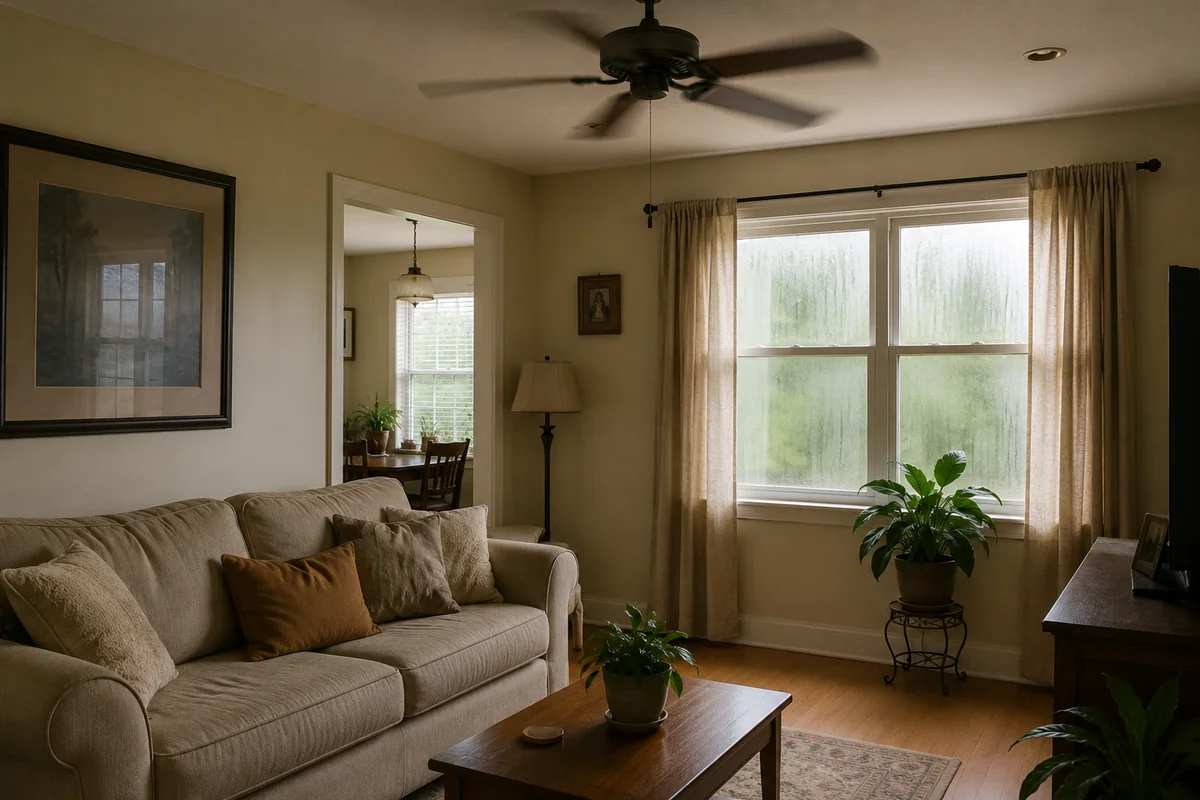
Mold removal for Atlanta homeowners and renters
A small patch of surface mold is often a safe do-it-yourself job, while larger or hidden growth needs a licensed local pro. Renters should document the problem and know their rights.
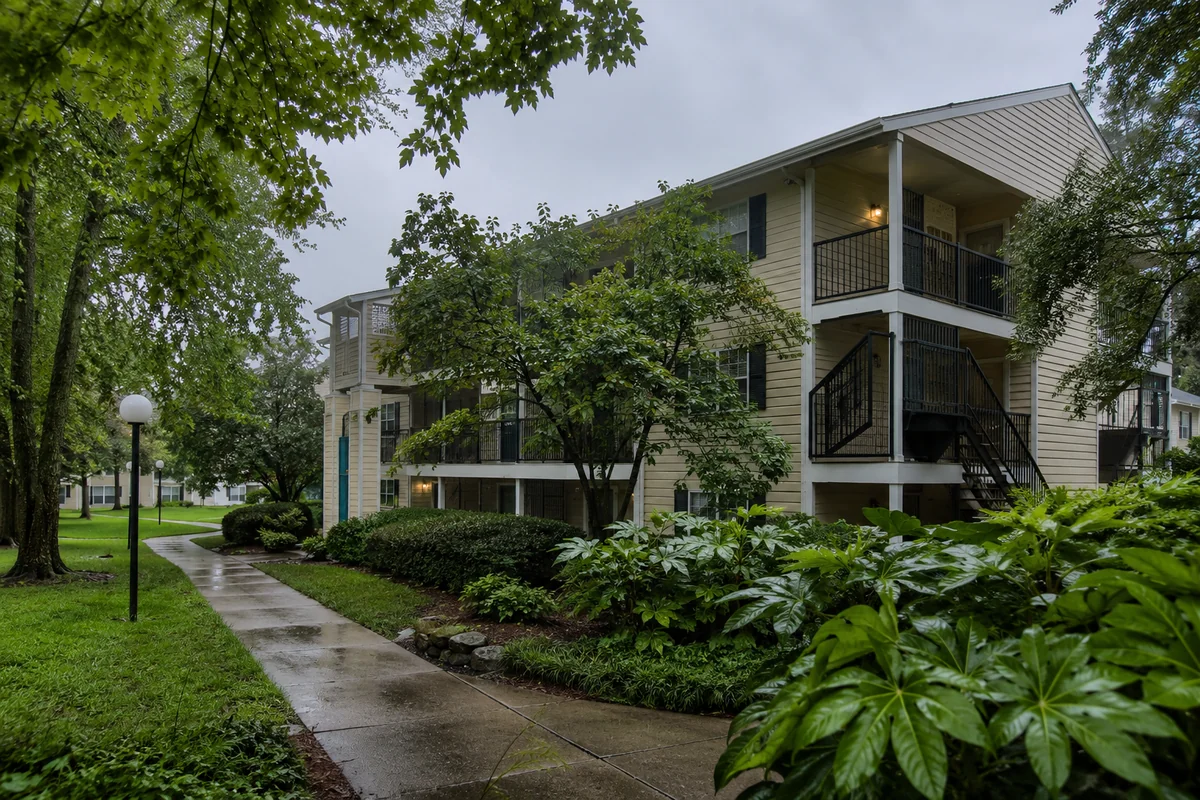
Commercial mold remediation in Atlanta
For a tenant complaint or a commercial building, follow a documented response and bring in a licensed remediator, with independent clearance testing where it matters.
Mold questions in Atlanta
Is mold common in Atlanta?+
Given the local climate, mold is a routine concern here rather than a rare event, so it pays to act on any moisture quickly.
Who do I call about mold in Atlanta?+
Your state health department for health questions, the Atlanta or county building department for permits, and a licensed local remediation pro for the work itself.
Does insurance cover mold here?+
It depends on the cause. Homeowners premiums in Georgia run around $2,000 a year, and mold claims usually hinge on whether the water was sudden and accidental rather than a slow, long standing leak, so document the source and timeline early.
Common mold problems near Atlanta
Nearby cities in Georgia
Columbus, GA
High mold-risk climate.
View guideSavannah, GA
High mold-risk climate.
View guideAthens, GA
Moderate mold-risk climate.
View guideSouth Fulton, GA
High mold-risk climate.
View guideSandy Springs, GA
Moderate mold-risk climate.
View guideRoswell, GA
Moderate mold-risk climate.
View guideMacon, GA
Moderate mold-risk climate.
View guideJohns Creek, GA
Moderate mold-risk climate.
View guideAlbany, GA
High mold-risk climate.
View guideWarner Robins, GA
High mold-risk climate.
View guideAlpharetta, GA
Moderate mold-risk climate.
View guideMarietta, GA
High mold-risk climate.
View guideSmyrna, GA
High mold-risk climate.
View guideValdosta, GA
High mold-risk climate.
View guideGet local mold help in Atlanta
See your home's risk and the offices to call, or find a licensed local pro.
Whether you handle it yourself or hire out, mold removal in Atlanta goes better when you fix the moisture first and work with a licensed local pro for anything beyond a small patch.
Get a mold read for your home
See local risk and who to call, built from real climate and census data.